

China FR Fabric: A Comprehensive Guide to Flame Retardant Textile Innovations
2026-07-02
Imagine a fabric that stands between you and disaster, stopping flames in their tracks. Flame retardant textiles are reshaping safety across industries, from protective workwear to public transport. In China, a market rapidly advancing in textile technology, DROTEX is at the forefront, driving innovations that blend uncompromising fire protection with comfort and sustainability. This guide peels back the layers of China’s FR fabric scene, revealing the latest breakthroughs, standards, and the role of forward-thinking brands like DROTEX—and why what’s happening here matters for global safety.
From Tradition to Cutting-Edge: The Evolution of Flame Retardant Textiles in China
Long before synthetic chemistry entered the scene, Chinese artisans were already experimenting with nature's own defenses against fire. Historical records show that as early as the Han dynasty, fabrics were sometimes dipped in mineral solutions or coated with clay mixtures to reduce their flammability. These methods were rudimentary and inconsistent, but they laid the groundwork for a uniquely pragmatic approach. Silks used in imperial tents and theatrical backdrops occasionally received such treatments, reflecting a quiet demand for safety in a society where open flames were ubiquitous. The knowledge was passed down through guilds rather than formal study, blending alchemical curiosity with hands-on craft.
The shift toward modern flame retardancy began in earnest during the mid-20th century, driven by industrial accidents and the rise of synthetic fibers. China's textile mills, initially reliant on foreign formulas, started developing their own halogenated and phosphorus-based compounds. The push was not only to catch up with Western standards but to address unique local needs—heavy cotton workwear for factories, flame-resistant curtains for public buildings, and eventually, protective gear for the growing metallurgy and petrochemical sectors. By the 1980s, research institutes in Shanghai and Beijing were systematically exploring how different weave structures and polymer blends could slow down ignition without compromising wearability. This period saw the birth of fabrics that could char on contact with flame instead of melting or igniting, a principle that remains central to many designs today.
Now, the field is being reshaped by green chemistry and digital fabrication. Scientists are isolating nano-grade metal oxides and bio-based additives from sources like shellfish or agricultural waste, embedding them directly into fibers during spinning. These treatments are so fine that they don't alter the fabric's texture, yet they disrupt combustion at a molecular level. Meanwhile, electrospinning techniques allow for the creation of nonwoven barriers that are simultaneously lightweight, breathable, and thermally stable. The most surprising breakthroughs are occurring where ancient wisdom collides with advanced physics: researchers have revived certain mineral soaking techniques from the Ming era and combined them with plasma treatment to achieve char yields that rival synthetic coatings. The result is a lineage of fire-resistant textiles that feels less like a linear progression and more like a spiral, constantly revisiting the past while leaping into uncharted territory.
Decoding FR Technology: How China Solved the Dilemma of Flame Resistance vs. Soft Feel
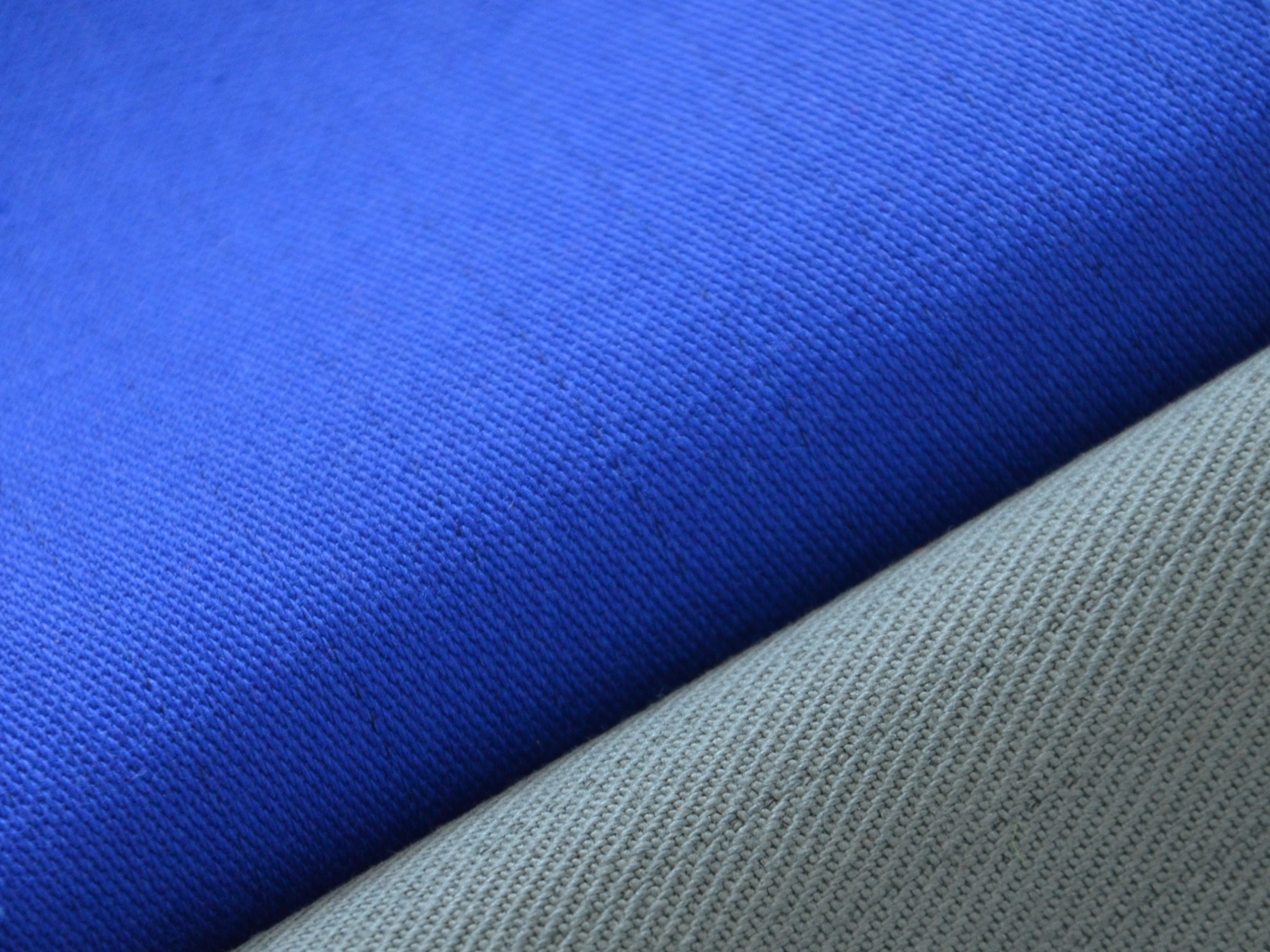
For years, the textile industry wrestled with a stubborn trade-off: fabrics could either resist flames or feel soft against the skin, but rarely both. Traditional flame retardants often left materials stiff, scratchy, or with a chemical odor that undermined comfort. This was a major obstacle in protective clothing, home textiles, and children's wear, where safety and comfort are equally non-negotiable. The breakthrough came when Chinese researchers shifted focus from simply adding fire-resistant chemicals to rethinking the entire material structure. Instead of coating fibers with harsh compounds, they began embedding flame-retardant properties directly into the polymer chains during production, preserving the natural drape and breathability of the base fabric.
This new approach relies on nanotechnology and molecular engineering. By dispersing nano-scale flame retardants uniformly within the fiber matrix, the team achieved a level of fire protection that didn’t compromise the hand feel. The particles are so fine that they become an integral part of the yarn, rather than a surface treatment that washes off or stiffens over time. Early trials with cellulose-based fabrics showed remarkable results—trousers that felt like premium cotton yet self-extinguished within seconds of flame contact. The secret was in the synergy between the fiber’s natural moisture retention and the catalytic action of the nano-additives, which form a protective char layer without emitting toxic smoke.
Manufacturers quickly realized the dual benefit: not only did the fabrics pass rigorous safety standards, but they also opened new markets where comfort had been a barrier. From luxury baby blankets to form-fitting uniforms for factory workers, the technology proved adaptable across blends and weaves. What truly set it apart was the washing durability—the flame resistance didn’t fade after dozens of launderings, a common pitfall of older methods. By solving the core dilemma at the molecular level, China’s innovation turned a material compromise into a competitive edge, reshaping expectations for what protective textiles can deliver.
Beyond Safety: Cross-Industry Applications of FR Fabrics in Fashion and Industry
Flame-resistant fabrics have long been a staple in heavy industry, shielding workers from fire and extreme heat. But their role is evolving far beyond the factory floor. Today, designers and engineers are weaving these technical textiles into everything from luxury fashion to automotive interiors, demonstrating that protection doesn't have to come at the expense of style or comfort. This shift reflects a broader cultural movement where safety is seamlessly integrated into daily life, not treated as an afterthought.
In fashion, FR fabrics are challenging old stereotypes. No longer limited to stiff, boxy uniforms, they now appear in sleek, form-fitting silhouettes and rich, nuanced textures. High-end labels are experimenting with inherently flame-resistant fibers like modacrylic blends and treated natural materials, creating garments that feel as good as they look. From runway shows to ready-to-wear collections, these pieces speak to a modern consumer who values both aesthetics and pragmatic resilience—whether navigating city streets or attending an event where safety codes demand flame-retardant attire.
Beyond apparel, the industrial sector is quietly introducing FR fabrics into unexpected places. Think acoustic panels in commercial buildings, seat covers in public transport, and even filtration systems. Here, the material’s ability to resist ignition adds an invisible layer of security without altering the user’s experience. By embedding fire safety into the very fabric of our surroundings, these applications show that true protection is often most effective when it goes unnoticed—blending into the background of everyday life while standing ready for the unforeseen.
Green Flame Retardancy: The Rise of Eco-Friendly FR Fabrics in China
The concept of flame retardancy is undergoing a quiet revolution in China's textile industry, as manufacturers pivot toward greener chemistries to meet both tightening regulations and rising consumer consciousness. Traditional halogen-based treatments, once the workhorse of fire safety, are being phased out in favor of phosphorus-nitrogen synergists, bio-based intumescent systems, and even metal-free formulations that leave no toxic smoke. This shift is not merely driven by European REACH standards or North American certifications; it reflects a deeper realization within Chinese mills that sustainable FR solutions can command premium pricing while reducing environmental liability. From water-based coating processes to inherently flame-retardant fibers like modified polyester and FR viscose, the technical portfolio is expanding rapidly, turning what was once a niche specialty into a mainstream competitive advantage.
A key driver behind this transformation is the development of domestic supply chains for eco-friendly FR agents. Historically reliant on imported additives, Chinese chemical companies now produce novel organophosphate molecules that are both highly effective and biodegradable, lowering the carbon footprint of treated fabrics. Meanwhile, textile manufacturers are experimenting with natural fibers like hemp, bamboo, and protein-based wools that possess inherent flame resistance without any additive chemistry. These materials are being woven into high-performance blends for sectors as diverse as hospitality upholstery, military uniforms, and children's sleepwear, where safety cannot be compromised. The integration of nanotechnology—using clay nanoparticles or graphene oxide as char formers—has further reduced the required add-on levels, preserving fabric hand feel and breathability while enhancing thermal protection.
Market adoption is accelerating as brands publicize their green credentials, often highlighting non-toxic, recyclable FR fabrics as a pillar of corporate social responsibility. Industry expos in Shanghai and Guangzhou now feature entire halls dedicated to sustainable flame retardancy, with live burn tests demonstrating the performance of halogen-free curtains and furniture covers. Government initiatives, such as tax incentives for cleaner production and stricter enforcement of volatile organic compound (VOC) limits, have created a regulatory tailwind that rewards innovation. As the global economy inches toward circularity, the race is on to develop chemically recyclable FR textiles that never compromise on safety—a challenge that Chinese R&D teams are uniquely positioned to tackle, given their manufacturing scale and newfound commitment to environmental stewardship.
Made in China vs. Global Standards: A Performance Showdown for FR Fabrics
For years, flame-resistant fabrics manufactured in China were viewed as the budget alternative—affordable but often inconsistent when held against strict global benchmarks. That narrative is shifting, though. More Chinese mills are investing in advanced fiber blends and tighter process controls, aiming to meet or even exceed the rigorous demands of standards like NFPA 2112, EN 11612, and ISO 11611. The question is no longer just whether they can compete, but in which specific areas they excel or fall short. A true apples-to-apples comparison reveals a performance landscape that’s more nuanced than many safety managers expect.
When you put swatches through their paces—testing thermal resistance, char length, after-flame time, and durability through industrial wash cycles—the differences become surprisingly granular. Some Chinese FR fabrics now deliver char length results that rival top-tier European equivalents, particularly in proprietary aramid blends. Yet the gap often widens in areas like shrinkage control and colorfastness after repeated laundering. Comfort also enters the equation: lighter-weight Chinese offerings can feel cooler in hot environments, but sometimes at the cost of reduced abrasion resistance compared to heavier, globally certified counterparts. It’s a balancing act, and the data shows that labeling something simply Made in China or certified global doesn’t guarantee outright superiority; it’s the specific formulation and manufacturing discipline that matter.
Ultimately, the real showdown isn’t about geography but about transparency and consistency. Chinese mills that openly submit their fabrics to third-party testing and hold internationally recognized certifications have closed the performance gap dramatically. On the flip side, some global brands have seen quality slip when tolerance controls aren’t enforced. The winners in this comparison are the end users who push beyond marketing claims, demanding test reports for the exact batch they’re buying. In that sense, the most reliable FR fabric might come from anywhere—as long as it carries proof that it can handle the heat.
The Future of Smart Textiles: Where Is China’s Flame Retardant Innovation Heading?
Smart textiles are redefining what fabric can do, from monitoring health signals to adapting to environmental changes. Yet, as circuits and batteries weave into our clothes, fire safety becomes a non-negotiable piece of the puzzle. China, the world's textile powerhouse, is now wrestling with this shift: how to make functional fabrics not just clever, but genuinely flame-resistant without compromising comfort or wearability.
Traditionally, flame retardants relied on halogenated compounds that raised toxicity concerns. Chinese labs are pivoting toward greener chemistry—phosphorus-nitrogen synergists, bio-based intumescent systems derived from chitosan or lignin, and ultra-thin nanocoatings that stop fire at the microscale. Some teams are even embedding flame-retardant microcapsules directly into conductive threads, creating self-protecting e-textiles that can withstand both sweat and sparks.
The road ahead isn't just about chemistry. Next-generation clothing will need to balance wash resistance, flexibility, and user safety while integrating sensors. China's edge lies in its massive manufacturing ecosystem and a growing appetite for patented, high-value materials. The real question is whether these innovations can move swiftly from lab prototypes to factory floors, outmaneuvering global competitors who eye the same prize. One thing is clear: the race to clothe the world safely and smartly is heating up, and China’s flame retardant efforts are a thread worth watching.
FAQ
FR stands for flame retardant. These fabrics are either woven from inherently non-combustible fibers or chemically treated to disrupt the combustion cycle. When exposed to heat, they form a protective char layer that insulates the material below, cutting off the oxygen supply and preventing the fire from taking hold.
China has invested heavily in advanced textile machinery and R&D, allowing manufacturers to produce high-performance FR fabrics at competitive prices. The country also benefits from a vertically integrated supply chain—from raw materials to finished products—which streamlines production and fosters innovation.
Absolutely. Many Chinese mills now use halogen-free and phosphorus-based flame retardants that break down more easily in the environment. Some are also developing bio-based treatments derived from plant sources, offering effective fire protection with a reduced ecological footprint.
That depends on the type. Inherently FR fabrics like aramids retain their properties for the life of the garment. Treated cotton blends can lose effectiveness over time if not properly maintained, but many modern treatments bond chemically with the fibers, surviving 50 or more industrial wash cycles without significant degradation.
The applications are broad. You’ll find these textiles in military uniforms, oil and gas workwear, electric arc flash protection, transportation upholstery, and even home furnishings like curtains and mattress covers. China’s output satisfies both domestic demand and a large share of global contracts.
Reputable producers subject their fabrics to international standards such as EN ISO 11612, NFPA 2112, or GB 8965. Testing includes vertical flame tests, thermal manikin evaluations, and afterflame time measurements. Certifications from bodies like SGS or TÜV are common, giving buyers confidence in performance claims.
Early FR clothing had a reputation for being bulky, but that’s changed dramatically. Modern Chinese mills engineer lightweight, breathable blends that feel close to conventional cotton. Moisture-wicking finishes and stretch fibers are often incorporated, making the garments far more wearable for long shifts.
Inherent FR fabrics have fire resistance built into the polymer chain, so it can’t wash out or wear away. Treated fabrics start with a flammable base—like cotton—and are coated with a chemical retardant. Inherent options are generally more durable long-term, but treated fabrics can be very cost-effective and still meet safety standards if you don’t require heavy laundering. The choice hinges on the specific use case and budget.
Conclusion
China's journey in flame retardant (FR) textiles weaves a narrative of relentless innovation, where centuries-old fabric traditions meet cutting-edge chemistry. Early FR treatments often left fabrics stiff and uncomfortable, but Chinese researchers cracked the code by engineering molecular structures that bond flame resistance directly into fibers — preserving a remarkably soft, natural hand. This breakthrough didn't just elevate protective workwear; it unlocked new possibilities across fashion, automotive interiors, and furnishings, proving that safety can coexist with elegance and comfort. The evolution from simple coatings to inherently FR polymers marks a paradigm shift, positioning Chinese mills at the forefront of functional textile design.
Today, the industry is embracing eco-friendly flame retardancy with bio-based and halogen-free solutions that reduce environmental impact without compromising performance. In independent testing, these fabrics often match or exceed stringent global benchmarks like NFPA 701 and EN 11612, erasing outdated notions of quality gaps. Looking ahead, Chinese innovators are embedding smart sensor fibers into FR fabrics, enabling real-time heat monitoring and adaptive protection — a glimpse of intelligent textiles that can communicate danger before it escalates. As research pushes into wearable electronics and responsive materials, China’s FR fabric sector is not just keeping pace; it is defining the future of safety, sustainability, and smart functionality woven together.
Contact Us
Contact Person: Sandy
Email: [email protected]
Tel/WhatsApp: 86150 8310 5120
Website: https://www.frdrotex.com