

China Melamine Polyphosphate: Flame Retardant Solutions Driving Industry Innovation
2026-07-18
In today's rapidly evolving industrial landscape, fire safety remains a top priority across sectors—from electronics to construction. At the heart of this critical need lies melamine polyphosphate (MPP), a halogen-free flame retardant that is redefining performance standards. China has emerged as a powerhouse in MPP innovation, delivering solutions that balance efficiency, sustainability, and cost-effectiveness. As global demand for safer materials intensifies, industry leaders are turning to advanced formulations to stay ahead. This is where X.X.F.R comes in, pioneering flame retardant technologies that not only meet but exceed regulatory requirements. In this blog, we’ll explore how China’s MPP breakthroughs are driving industry transformation and why partnering with the right experts can make all the difference for your next project.
The Role of Melamine Polyphosphate in Modern Flame Retardant Technologies
Melamine polyphosphate (MPP) has become a cornerstone in halogen-free flame retardant systems, particularly for polyamides and other engineering thermoplastics. Its appeal lies in a dual-phase mechanism: by releasing inert gases and promoting char formation, MPP effectively interrupts the combustion cycle. Unlike traditional halogenated additives, it generates minimal smoke and toxic fumes, aligning with stricter safety and environmental regulations. This shift towards greener chemistry has elevated MPP from a niche solution to a mainstream choice across industries.
What sets MPP apart from other phosphorus-nitrogen synergists is its exceptional thermal stability and compatibility with high-processing-temperature polymers. During a fire, it decomposes endothermically, cooling the substrate while the liberated phosphoric acid catalyzes the formation of a protective, intumescent char. Simultaneously, the melamine component releases nitrogen-rich gases that dilute flammable volatiles. Engineers value this balance, as it preserves the mechanical properties of the base material—something that often degrades with high loadings of mineral-based retardants.
In practical applications, MPP shines in thin-wall electronic enclosures, automotive under-hood components, and textile back-coatings. Its ability to achieve UL 94 V-0 ratings with relatively low addition levels reduces both weight and cost. Recent innovations involve surface-modified grades that enhance dispersion and water resistance, opening the door to outdoor and long-lifespan products. As fire safety standards evolve, MPP continues to prove that effective protection doesn’t have to compromise on performance or sustainability.
How China’s Chemical Sector Is Advancing Flame Retardant Solutions
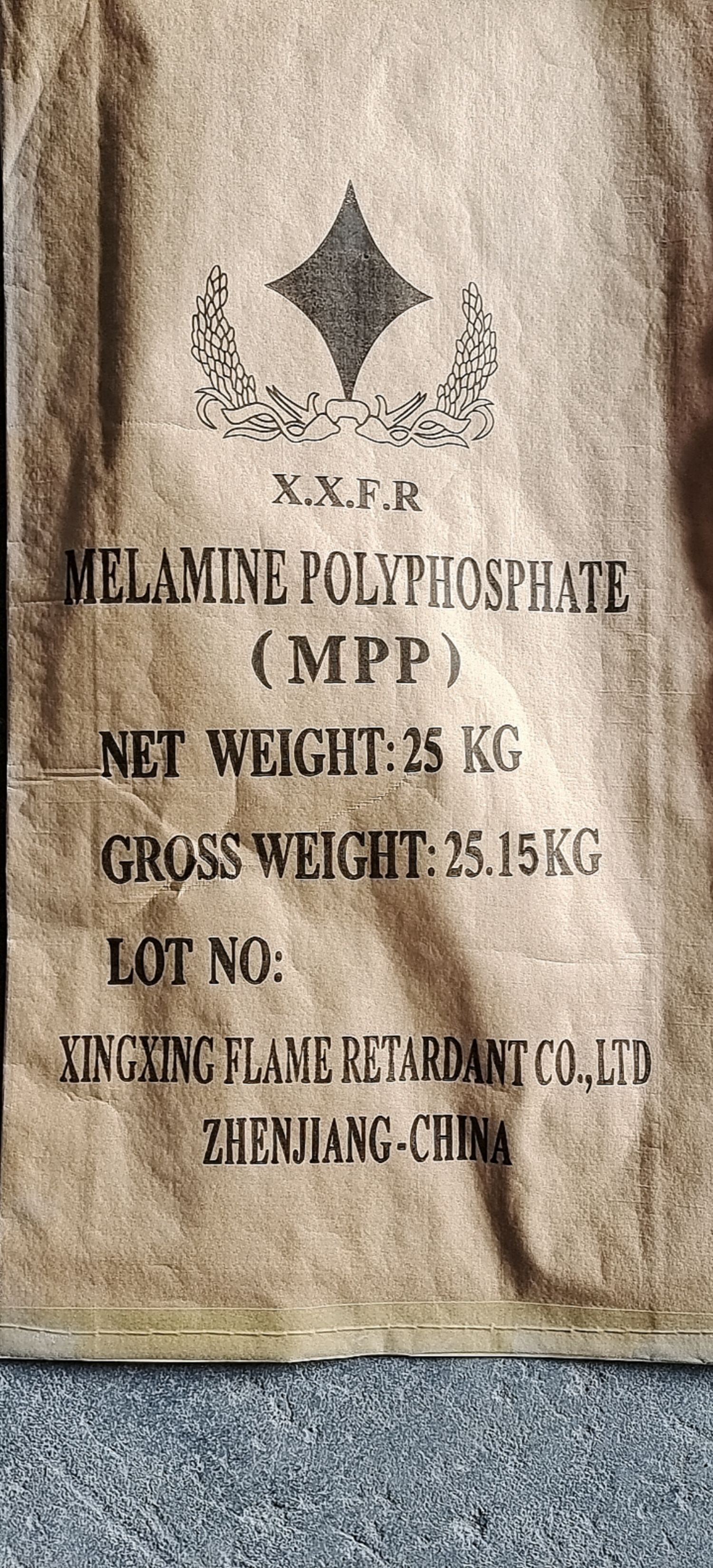
China’s chemical industry has quietly moved from being a follower to a leader in flame retardant technology, driven by both domestic safety mandates and an export-oriented manufacturing base. With electronics, construction, and automotive sectors demanding higher fire safety standards, local producers have invested heavily in halogen-free and phosphorus-based compounds. These new formulations not only meet tightening regulations but also address growing environmental concerns, pushing the entire value chain toward more sustainable practices.
Collaboration between university labs and private enterprises has accelerated breakthroughs in intumescent and nanocomposite flame retardants. Instead of importing expensive additives, Chinese manufacturers now tailor solutions for specific polymers like polyamides and polyurethanes, achieving better performance at lower loading levels. This shift reduces material costs and preserves mechanical properties, giving downstream clients a competitive edge without compromising safety.
On the regulatory front, updated national standards for building insulation and electric vehicle batteries have created a surge in demand for advanced flame retardant systems. Companies that once focused solely on volume now highlight technical service, helping clients reformulate products to comply with both Chinese GB standards and international codes. The result is a more resilient supply chain, with Chinese chemical firms increasingly seen as innovation partners rather than just bulk suppliers.
Key Benefits of Melamine Polyphosphate in Industrial Applications
Melamine polyphosphate brings remarkable flame retardancy to polymers without compromising mechanical integrity. Its nitrogen-phosphorus synergy promotes char formation, effectively cutting off oxygen and heat transfer during combustion. This mechanism delivers reliable protection in polyamides and thermoplastic polyurethanes, where consistent performance under high temperatures is non-negotiable.
Beyond fire safety, this additive stands out for its thermal stability and processability. It resists degradation during extrusion or injection molding, maintaining part quality and surface finish. Manufacturers appreciate its low impact on melt flow, which translates into faster cycle times and fewer adjustments on the factory floor. The material also contributes to lower smoke density and toxicity, meeting the growing demand for safer working environments and reduced environmental footprint.
Another practical advantage lies in its compatibility with reinforcing fillers and other additives. Whether in glass-fiber reinforced systems or elastomeric blends, melamine polyphosphate disperses evenly and helps retain the base polymer’s toughness. This versatility not only simplifies formulation but also opens doors to lightweight components in automotive and electronics, where every gram saved counts without sacrificing fire resistance.
Driving Innovation Through Sustainable Flame Retardant Development
Modern flame retardant design is shifting from a narrow focus on fire safety toward a broader vision that includes environmental responsibility and material circularity. This transition is sparking new chemistries that are inherently less persistent in ecosystems, breaking down more readily without compromising protection. Researchers are exploring phosphorus-based, nitrogen-based, and mineral-derived systems that can be tailored to specific polymer matrices, ensuring performance while reducing ecological footprints.
Collaboration between material scientists, manufacturers, and regulators is accelerating the adoption of these innovative solutions. Instead of treating fire resistance as an isolated add-on, engineers are integrating it at the molecular level during polymer synthesis, which often enhances durability and reduces the need for secondary coatings. This integrated design approach not only meets stringent flammability standards but also aligns with circular economy principles by facilitating easier recycling and end-of-life management.
The push for sustainability is also driving transparency in the supply chain, prompting companies to rethink raw material sourcing and processing methods. Bio-based feedstocks are gaining traction, offering renewability without sacrificing thermal stability. As the industry evolves, the true measure of innovation lies in balancing high-performance fire safety with long-term environmental stewardship, creating products that protect both lives and the planet.
Comparing Melamine Polyphosphate with Traditional Flame Retardants
Melamine polyphosphate (MPP) brings a distinct mechanism to the table compared to long-established halogenated and mineral-based options. While brominated or chlorinated flame retardants rely on gas-phase radical quenching to interrupt combustion, MPP functions primarily through intumescent action—forming a protective char layer that starves the underlying material of heat and oxygen. This physical barrier not only delays ignition but also drastically reduces smoke density, a critical advantage in enclosed spaces.
Traditional mineral fillers like aluminum hydroxide and magnesium hydroxide release water at high temperatures to cool the polymer, yet they often require high loading levels that compromise mechanical properties and processability. MPP, in contrast, achieves effective flame retardancy at lower concentrations, preserving the polymer’s intrinsic toughness and surface finish. This balance between fire performance and material integrity is especially valued in thin-wall applications such as electrical housings and automotive components.
From an environmental viewpoint, MPP sidesteps the persistent bioaccumulation concerns tied to many halogenated counterparts, offering a route to compliance with tightening regulations without sacrificing thermal stability. Its synergy with other phosphorus-nitrogen compounds allows tailored formulations that meet rigorous standards like UL 94 V-0, while avoiding the corrosive gases and soot often associated with legacy systems.
Future Trends in China’s Flame Retardant Industry
Shifts in regulatory frameworks are quietly redrawing the competitive map. Stricter building codes and electronics safety standards are pushing manufacturers toward halogen-free and phosphorus-based solutions, not out of idealism but pure market survival. Companies that hesitated five years ago are now scrambling to reformulate, and the ones who invested early in intumescent technologies are quietly capturing premium contracts. This isn't a sudden revolution—it's a slow, grinding pivot that rewards patience and deep technical R&D over flashy marketing.
Material science breakthroughs are reshaping what's possible at the molecular level. Chinese laboratories are moving beyond simple additive blending into nano-structured coatings and reactive flame retardants that bond directly with polymer chains. These approaches slash the typical trade-offs between fire safety and mechanical properties. A new wave of domestic patents suggests the industry is leaving behind its copycat reputation and starting to set original technical directions, especially in bio-based charring agents derived from agricultural waste streams.
Supply chain logic is being inverted by circular economy mandates. Recyclability requirements are forcing flame retardant producers to think beyond the first life of a plastic product. The real growth pockets are appearing in sectors where fire protection must survive multiple recycling loops—automotive interiors, electronic housings, and construction panels. Firms that can guarantee performance stability through mechanical recycling cycles are quietly locking in multi-year agreements with major OEMs. It’s a quiet reordering of customer loyalty based on lifecycle performance data rather than unit price.
FAQ
It combines excellent char formation with low smoke toxicity, making it a go-to for applications where both fire safety and environmental concerns matter. Unlike many alternatives, it maintains mechanical properties in polymers without compromising on processing.
China’s integrated production chain, from raw melamine to downstream compounding, allows for cost-effective manufacturing at scale. This vertical integration, along with continuous process optimization, has positioned Chinese suppliers as key players meeting growing international demand.
You’ll find it in electronics, automotive parts, and construction materials. Its effectiveness in polyamides and thermosets is widely recognized, especially in connectors, circuit breakers, and intumescent coatings where thin walls and high thermal stability are critical.
Tighter environmental regulations and competition push manufacturers to develop grades with smaller particle sizes, better dispersion, and tailored synergies. Some focus on surface-treated variants that resist moisture and improve compatibility with engineering plastics.
Halogenated retardants can release corrosive gases and persist in the environment. Melamine polyphosphate operates via an intumescent mechanism, creating a protective char without dioxin risk, which makes it safer for electronics recycling and reduces long-term liability.
Yes, with careful formulation. In polyamide connectors and switches, it meets glow wire and CTI requirements without sacrificing durability. The shift is accelerating as OEMs phase out bromine to align with circular economy goals and eco-label criteria.
Conclusion
Melamine polyphosphate has become a cornerstone of modern flame retardant systems, particularly within China’s rapidly evolving chemical industry. Its halogen-free composition and exceptional thermal stability allow it to form a protective char layer that interrupts combustion, making it ideal for electronics, automotive components, and construction materials. Chinese manufacturers have not only scaled up production to meet global demand but also refined the material’s dispersion and compatibility with polymers like nylons and thermosets. This progress reflects a deliberate shift away from legacy additives, delivering flame retardants that maintain mechanical integrity and processing ease while satisfying stricter fire safety codes.
Driven by a strong push for sustainability, the sector is rethinking product life cycles and environmental impact, and melamine polyphosphate stands out for its low toxicity and smoke suppression compared to traditional halogenated compounds. It outperforms older intumescent formulations in water resistance and thermal endurance, reducing corrosion risks and enabling lighter, more durable parts. Ongoing innovation focuses on synergistic blends and nano-structured variants that boost efficiency at lower loadings. As China tightens green manufacturing standards and invests in next-generation fire safety materials, melamine polyphosphate is poised to anchor a new wave of high-performance, eco-conscious solutions that align with circular economy principles and anticipate future regulatory landscapes.
Contact Us
Contact Person: Guohua Wang
Email: [email protected]
Tel/WhatsApp: 8613003442895
Website: https://www.xxflameretard.com