

China Stamping Parts Sourcing Guide for Global Manufacturers
2026-11-16
Finding a stamping parts supplier in China is easy. Finding one that keeps tolerances stable at scale, manages tooling without surprises, and responds before problems become delays is another story. Global manufacturers usually learn that difference the hard way—through a batch that looks fine in photos but not on the CMM, or a quote that quietly excludes secondary operations. This guide exists to close that gap. You will get a practical look at supplier qualification, material selection, pricing red flags, and quality control from pre-production through shipment. We also highlight how a hands-on sourcing partner like BOYIKUN helps turn scattered supplier data into decisions you can defend. If you're serious about building a repeatable stamping supply chain in China, this is the place to start.
What separates capable Chinese stamping suppliers from the rest
A capable Chinese stamping supplier usually shows its value before tooling starts. Rather than quoting straight from a 2D drawing, the engineering contact will ask about grain direction, edge condition, burr tolerance and whether a radius can be opened up to avoid thinning. That level of questioning is not friction; it is the first sign they understand how material moves under a punch. Shops that skip this stage tend to build a tool that works in the die shop but drifts once the coil changes.
During sampling and PPAP, the difference becomes easier to measure. Strong suppliers will send capability data from similar tools, name the steel mill and heat lot, and explain which dimensions need check fixtures rather than calipers. They treat incoming coil thickness and hardness as process variables, not constants. If a critical hole position starts to shift, their response is usually a tooling adjustment record and a revised control plan instead of polishing samples to pass an inspection.
What really separates the good shops, though, is how they behave after approval. They keep a documented die history, schedule punch and die maintenance by stroke count, and package parts with edge guards or interleaving when the profile is fragile. They also tend to be blunt about capacity, backup presses and repair lead times. That operational honesty matters more than a low piece price because it shows the supplier is managing a process, not just running a machine.
How to verify tolerances before committing to a production run
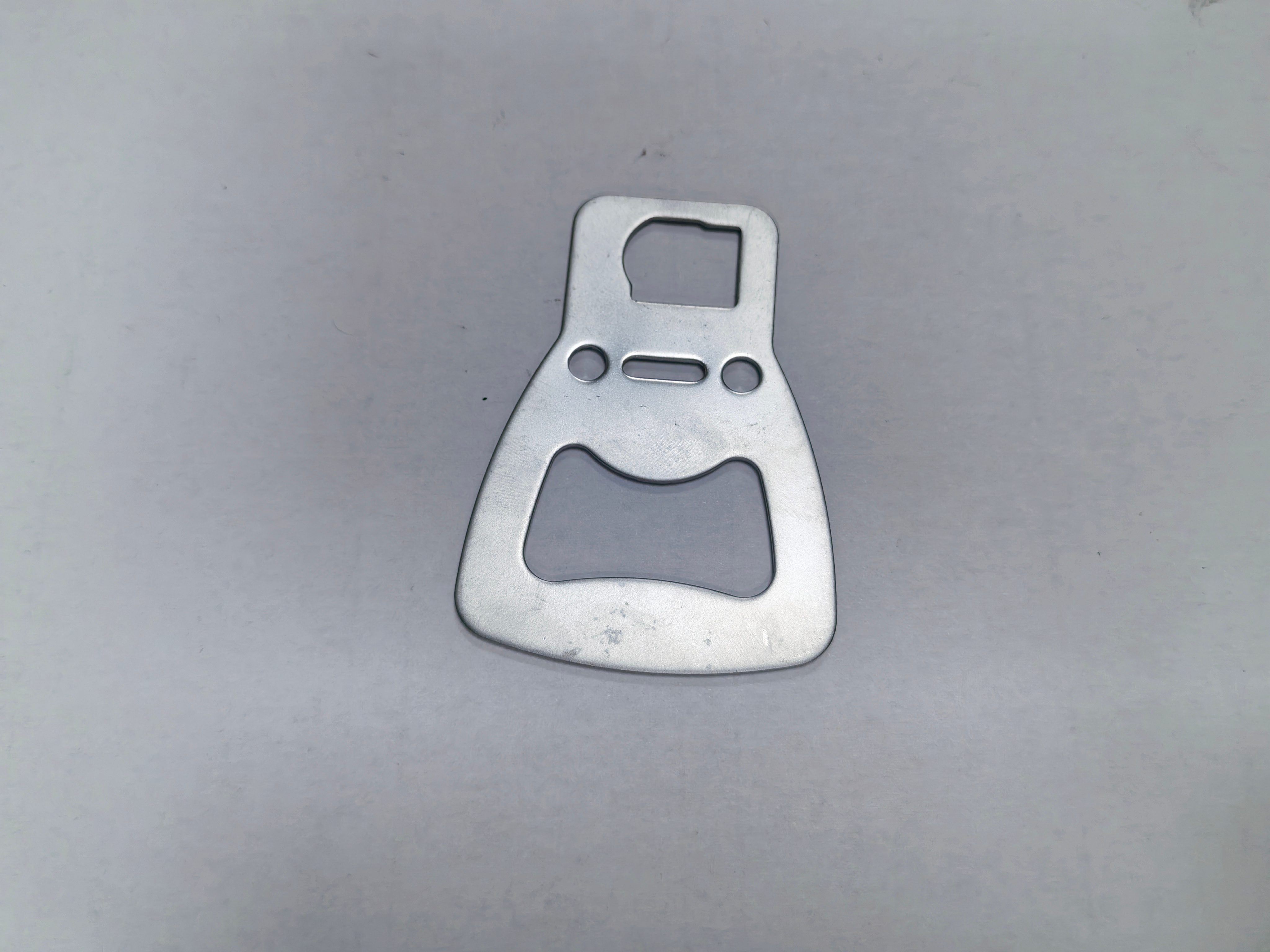
Chasing a tolerance on paper is not the same as proving it on the floor. Start by pulling the actual measurement data from your last prototype or pilot batch, not just the CAD nominal. Look at the spread, not the average. If the standard deviation on a critical feature eats more than half the tolerance band, the process will struggle once tooling starts to drift or a new material lot lands.
Run a short capability check on the three or four dimensions that actually drive fit, function, or assembly. You can skip the full PPAP paperwork, but you should still capture enough samples to see shift over an hour or two. Watch for tool wear patterns, thermal growth after startup, and operator influence on clamping or fixturing. A dimension that looks stable at 9 a.m. can walk right out of spec after lunch.
Finally, compare the measured limits to the tolerance with some margin left for production noise. If your worst-case readings already crowd the upper or lower limit, do not assume a production run will tighten things up. It usually does the opposite. Adjust the process, open a conversation with the customer, or change the design before you commit to parts you will have to sort or scrap.
Choosing between progressive, compound, and transfer stamping
The decision usually starts with two things: part geometry and run volume. A small bracket that can be fed as coil stock in high volumes often lands on a progressive die, where the strip is advanced through a sequence of trim, form, and cut-off stations. If the same part has features that must stay tightly concentric, a compound die is worth a second look because piercing and blanking happen in one stroke, so there is no indexing shift to stack into the tolerance.
Transfer stamping is a different animal. It suits parts that cannot stay tied to a strip, such as large panels, deep-drawn housings, or heavy-gauge blanks that need to be moved individually from station to station. Mechanical fingers or a servo-driven rail system handle the blank, which opens up room for drawing and other standalone operations, though the setup is typically larger and slower to change over.
Cost per part usually breaks the tie. Progressive tooling carries a higher build cost but becomes very economical across long runs. Compound tooling keeps the die compact and works well for flat or symmetrical parts in medium quantities. Transfer lines fit lower-to-medium volumes where the part size or forming sequence rules out strip feeding. Before choosing, it helps to compare material utilization, required tonnage, and whether the shop has the floor space and automation support to handle the tooling.
Why raw material certificates deserve a second look
A certificate tucked into a shipment file can feel like routine paperwork, yet the details it carries often tell a different story. While many teams glance at the document's presence rather than its substance, the specific grade, heat number, or test result listed can reveal mismatches that later surface as costly production delays or rejected batches.
Digging into the actual values against your incoming material spec isn't just an audit step; it's a way to catch drift before it reaches the line. A tensile strength reading at the low end of the acceptable range, or a coating weight that barely meets the minimum, might pass a first check but behave differently during forming, welding, or finishing. That second look turns a yes/no checkbox into a practical risk filter.
There's also the issue of traceability. When a certificate references a sub-supplier or a re-rolled lot that doesn't match your purchase order, the chain of custody weakens. Confirming those cross-references now prevents scrambling later if a field failure forces you to reconstruct exactly which material ended up in which product.
Setting realistic cost targets for tooling and piece price
Tooling quotes often arrive with a wide spread, but the useful starting point is the required tool life and annual volume rather than a generic benchmark. If a mold only needs to survive 60,000 cycles, paying for hardened inserts and tight tolerances that exceed the part's actual function inflates the target without adding value. Break the tool into major cost drivers—cavities, steel grade, ejection, texture, and gating adjustments—and assign a range to each based on the part geometry, not on the supplier's first number.
For piece price, realistic targets should be built backward from material yield, machine rate, cycle time, and packaging rather than set as a single discount from a quote. Ask for the cycle time assumptions behind each proposal; small differences in cooling layout or runner sizing can shift the quoted price by double digits even when the visible part looks identical. A target that ignores these process choices ends up either too loose to matter or too tight to be manufacturable.
It also helps to separate the tooling investment from recurring piece cost during negotiation. Suppliers sometimes hide profit in the piece price while quoting a low mold cost, or the reverse, depending on their cash flow. A realistic pair of targets should reflect the total cost of ownership over the expected production life, with enough room for a second tooling loop if demand outruns the original forecast.
Managing quality and delivery without a local office
Running quality control without a local office depends on turning field observations into structured data. We set inspection checkpoints before raw materials are cut, after the first production run, and during final packing, then require photos, measurements, and video clips against the approved sample. Any deviation is logged with a corrective action owner and a deadline, so issues are treated as process failures rather than last-minute surprises.
Delivery oversight follows the same discipline. Instead of waiting for a forwarding update, our team tracks production milestones, carton counts, and container loading against the purchase order in a shared tracker. If a milestone slips by more than a day, we call the factory floor supervisor directly and adjust the shipping plan before the delay reaches the port.
When local presence is unavailable, short feedback loops matter more than long reports. Weekly video reviews with factory QC staff, clear boundary samples, and a pre-agreed penalty matrix keep expectations practical. This setup gives remote buyers the same visibility as an on-site visit without the overhead of a permanent overseas office.
FAQ
Ask for the plant's actual press tonnage range, not just the maximum. A shop running 25 to 200 ton presses may be great for connectors but wrong for heavy brackets. Also confirm whether tooling is built in-house or subcontracted, because that affects lead time and design revisions.
Most will separate tooling cost from piece price. Negotiate to have the tooling ownership transferred to you in writing once it is fully paid. Some suppliers will retain the tool and amortize part of the cost into the unit price, which can lower upfront cash but gives you less control.
Don't just write stainless steel. Reference a clear standard such as SUS304, AISI 316L, SPCC, DC01, or 5052 aluminum, along with thickness tolerance and temper. This prevents a supplier from substituting a cheaper local grade that machines differently or fails in the field.
Request a first article inspection report with dimensional measurements from a calibrated CMM, not only a visual check. For repeat orders, ask for SPC data on critical dimensions and have a third-party inspector visit during the run, especially for parts with tight flatness or burr requirements.
Simple progressive dies can take four to six weeks, while complex multi-station or transfer tooling may run ten weeks or more. Chinese suppliers often quote shorter times during negotiations, so tie the delivery date to a sample submission milestone instead of accepting a verbal promise.
Be explicit about part orientation, separators, VCI paper for rust-prone steel, and whether cartons will be palletized for ocean freight. If parts have cosmetic surfaces, ask for individual wrapping or foam trays. Otherwise, minor scratches from transit can create a costly rejection at your dock.
Tooling changes, secondary operations like tapping or deburring, packaging upgrades, inspection charges, and bank transfer fees often appear after the quote. Ask for a breakdown that includes these items so you can compare quotes on the same basis.
Use a simple NNN agreement before sending detailed prints. Share only what is needed for quoting and tooling design, and keep critical tolerances or assembly interfaces on separate drawings until after an order is placed. For sensitive projects, split the supply chain so no single vendor has the full product design.
Conclusion
Sourcing stamping parts from China often comes down to how a supplier handles details that never appear in a quote. The strongest partners can explain why a progressive, compound, or transfer stamping approach fits a given part, and they back that recommendation with tooling history, material flow logic, and cycle time estimates rather than general claims. Before any production commitment, they welcome tolerance reviews and can share capability data or sample measurements from similar work. Raw material certificates deserve more than a quick glance because grade substitutions or inconsistent coil properties can quietly change forming results and long-term performance. Cost discussions should separate one-time tooling investment from recurring piece price, with targets that account for tool life, maintenance, scrap, and realistic output instead of chasing the lowest number.
When there is no local office, quality and delivery rely on a steady flow of evidence. Weekly dimensional reports, process photos, and packing lists linked to an agreed inspection plan can replace many site visits. A named contact should own progress, escalate problems early, and explain corrective actions clearly. That kind of operating discipline reveals whether a supplier can hold repeat orders or is only competitive on the first shipment.
Contact Us
Contact Person: Xianchen Hu
Email: [email protected]
Tel/WhatsApp: 86-13248645200
Website: https://www.hexnb.com/