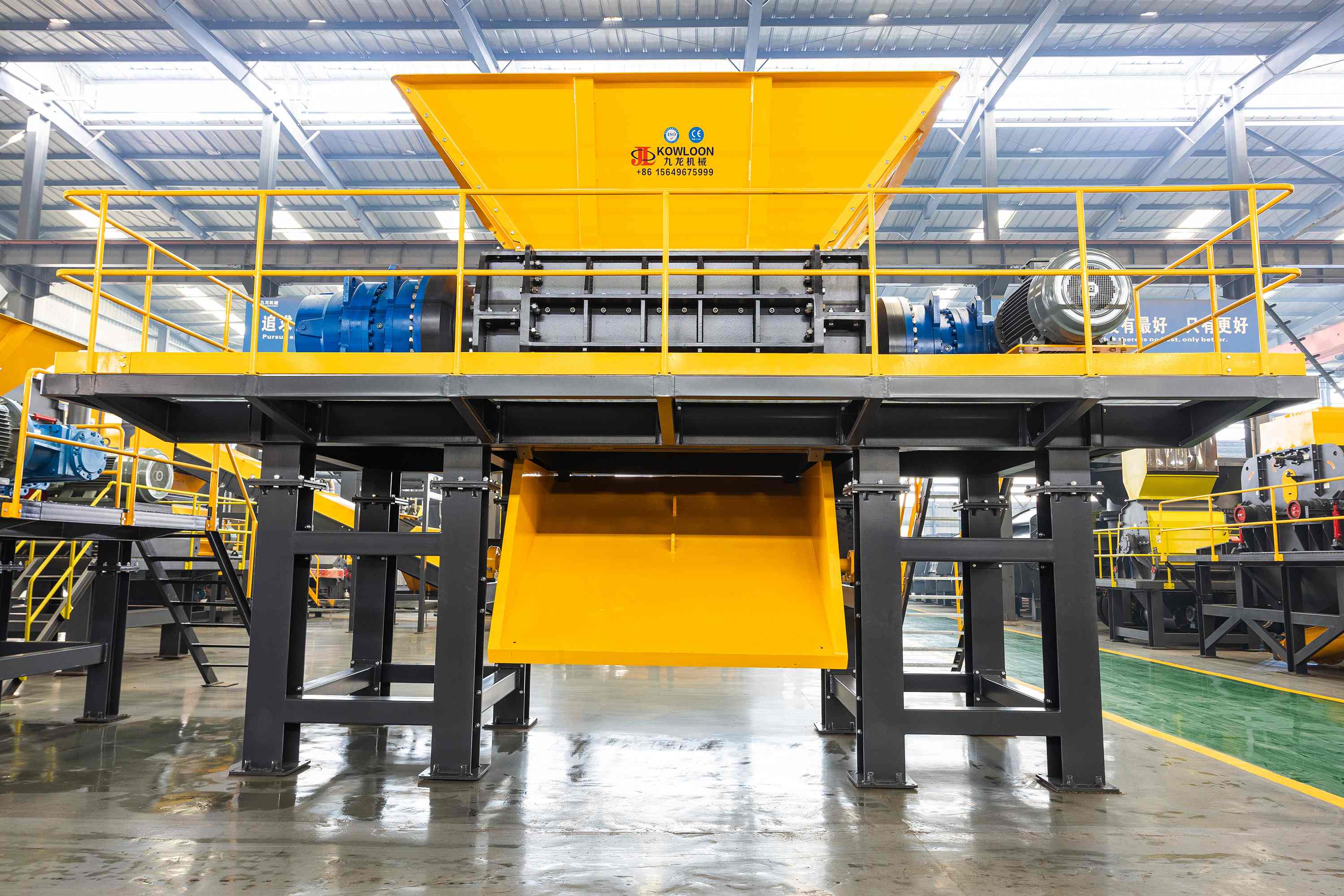

Double Shaft Shredder: Top Solutions for Efficient Waste Reduction
2026-03-23
In today's world, efficient waste management isn't just an option—it's a necessity. As industries and municipalities grapple with growing piles of industrial scrap, plastic waste, and other challenging materials, finding reliable solutions becomes paramount. Enter the double shaft shredder, a powerful machine designed to tackle tough waste streams head-on. At Kowloon Machinery, we've pioneered innovative shredding technologies that transform bulky waste into manageable, reusable resources. This blog dives into the top solutions for maximizing efficiency in waste reduction, exploring how advanced shredding systems can streamline operations, cut costs, and support sustainability goals. Whether you're dealing with manufacturing leftovers or complex recycling demands, discover how our tailored approaches can revolutionize your waste-handling processes. Stay tuned as we break down the key features, benefits, and real-world applications that make these shredders indispensable tools for modern industry.
Key Components of a High-Performance Double Shaft Shredder
At the core of any reliable double shaft shredder are the twin cutting shafts, typically crafted from hardened alloy steel to withstand immense torque and abrasive materials. These shafts feature interlocking blades with precisely engineered clearances, ensuring consistent particle size reduction without jamming. Manufacturers often incorporate hydraulic systems to automatically reverse the shafts if overload is detected, minimizing downtime and protecting the motor.
Another critical element is the robust drive system, which includes a high-torque electric motor paired with a heavy-duty gearbox designed for continuous operation under demanding conditions. Unlike single-shaft models, this configuration allows synchronous rotation of the shafts, efficiently tearing apart bulkier items like tires, plastic drums, or electronic waste. Many advanced versions now integrate intelligent sensors that monitor temperature and vibration, providing real-time alerts to prevent mechanical failures.
The shredder's durability heavily relies on its construction materials, particularly the reinforced hopper and discharge screens made from wear-resistant steel plates. These components not only contain the material being processed but also control the output size through interchangeable screen meshes. Additionally, modern designs prioritize safety features such as emergency stop buttons and lockable safety switches, ensuring operator protection while maintaining seamless workflow in industrial recycling or waste management settings.
How Double Shaft Shredders Enhance Waste Management Efficiency
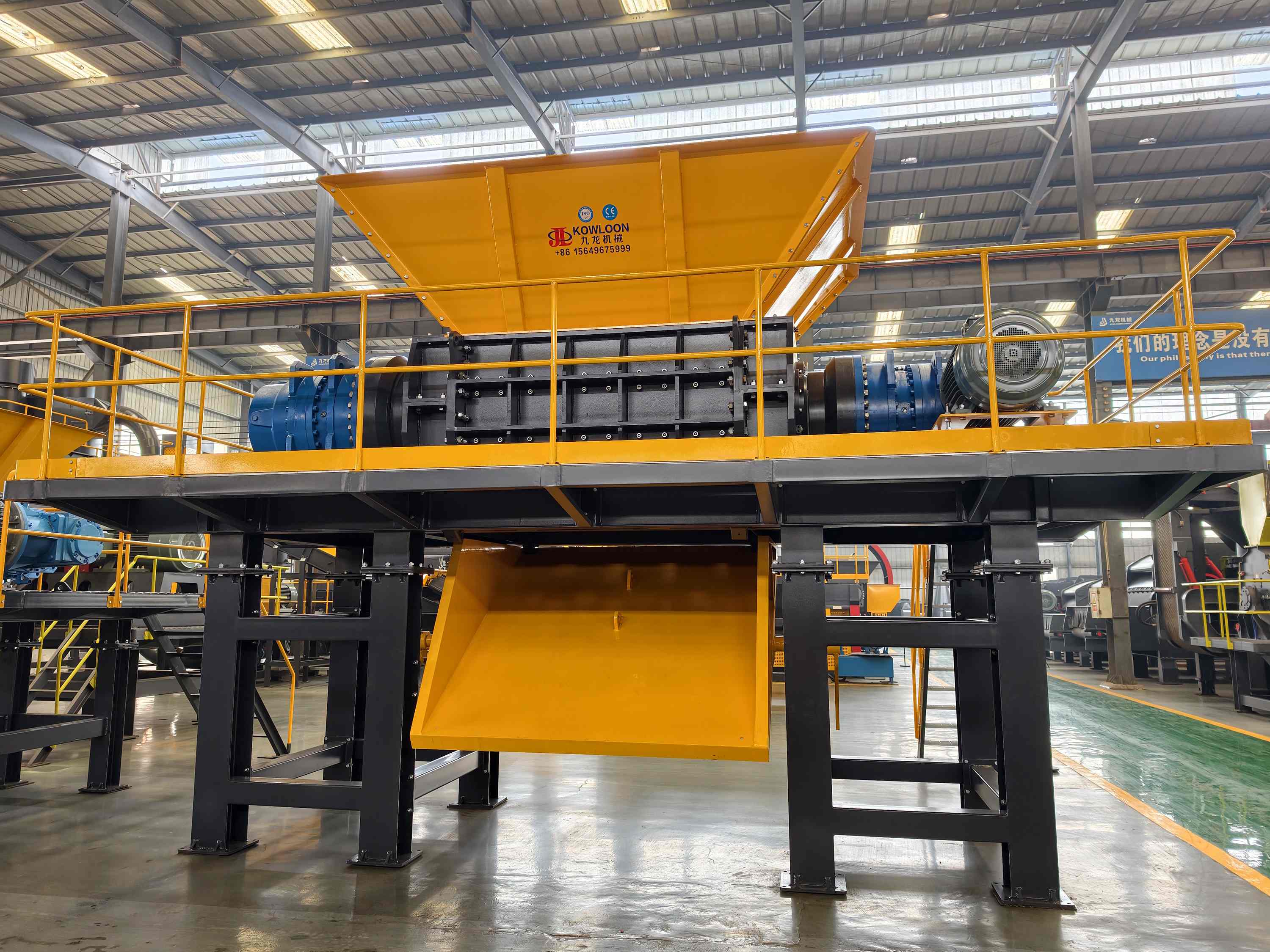
Double shaft shredders revolutionize waste handling by tackling materials that single-shaft models often struggle with, such as bulky plastics, metal scraps, and rigid industrial refuse. Their interlocking blades on two counter-rotating shafts shear and tear through diverse waste streams more aggressively, reducing bulky items into uniform, manageable fragments faster. This continuous, high-torque shredding minimizes downtime, allowing facilities to process higher volumes consistently, which boosts overall throughput and supports leaner, more responsive waste management operations.
Beyond sheer power, the design cleverly prevents jamming—a common efficiency killer. The dual-shaft mechanism pulls materials inward and through the cutting zone steadily, handling irregular shapes without frequent stops for clearing blockages. This reliability translates to fewer operational interruptions and lower maintenance costs, making these shredders a smart investment for businesses aiming to scale up recycling or waste-to-energy efforts without sacrificing uptime.
In real-world applications, from municipal recycling centers to manufacturing plants, double shaft shredders enhance efficiency by producing consistent output sizes ideal for downstream sorting or processing. Their ability to homogenize waste streams streamlines further steps like baling or composting, cutting labor and energy use. By adapting to varied materials with minimal adjustment, they offer versatility that single-shaft units lack, empowering facilities to tackle mixed waste more effectively and meet sustainability goals faster.
Applications Versatile for Various Material Types
Imagine a tool that adapts seamlessly to wood, metal, plastic, or composite surfaces, effortlessly switching between tasks without requiring specialized adjustments. This versatility stems from advanced ergonomic designs and multi-functional components, such as interchangeable heads or adjustable settings, which allow users to tackle diverse projects with a single device. Take a carpenter crafting custom furniture; they might use the same tool to sand oak, smooth steel hardware, and finish acrylic accents, saving time and reducing the need for multiple specialized tools.
Beyond standard materials, these applications excel with unconventional substrates like ceramics, textiles, or recycled composites, thanks to innovative features like variable speed controls or adaptive sensors. For instance, in a small business setting, an entrepreneur might employ a versatile printer to handle paper for brochures, fabric for labels, and plastic for packaging prototypes, all while maintaining consistent quality. This adaptability supports creativity and efficiency, enabling users to experiment with mixed-media projects or respond quickly to changing material demands without investing in new equipment.
Practically, such versatility translates to cost savings and reduced workspace clutter, as one tool replaces several specialized ones. In educational or DIY environments, it empowers learners to explore different materials without overwhelming complexity. For example, a student could use a single device to cut cardboard for models, engrave metal parts for robotics, and etch designs into glass for art projects, fostering hands-on learning across disciplines. This multi-material capability not only enhances utility but also encourages sustainable practices by maximizing resource use and minimizing waste.
Safety and Maintenance Best Practices for Long-Term Operation
Keeping your equipment running smoothly for years demands more than just occasional checks—it's about implementing proactive strategies that prevent issues before they arise. Start by establishing a regular inspection routine tailored to the specific needs of your machinery, focusing on wear-prone components like belts, bearings, and electrical connections. Don't just rely on visual assessments; incorporate vibration analysis or thermal imaging where possible to catch hidden problems early. Remember, consistent monitoring not only extends lifespan but also enhances safety by reducing the risk of sudden failures that could lead to accidents in operational environments.
When it comes to maintenance, prioritize a holistic approach that balances reactive fixes with preventive measures. Schedule downtime for thorough servicing based on manufacturer guidelines, but also adapt to real-world usage patterns—if a piece of equipment undergoes heavy loads, adjust intervals accordingly. Use high-quality replacement parts and keep detailed logs of all repairs to track performance trends. This hands-on, data-driven method ensures reliability over time, minimizing unexpected breakdowns and maintaining optimal efficiency without the need for constant oversight.
Finally, foster a culture of safety and accountability among operators by providing clear training on proper handling and emergency protocols. Encourage reporting of minor issues before they escalate, and make maintenance tools easily accessible to streamline responses. By integrating these practices into daily operations, you create a resilient system that supports long-term functionality while safeguarding both personnel and assets, ultimately leading to smoother, more sustainable performance across all sectors.
Benefits of Integrating This Equipment into Industrial Processes
When this equipment is integrated into industrial processes, it often streamlines operations by automating tasks that were previously manual or semi-automated. This reduces human error and allows workers to focus on more strategic aspects, ultimately leading to a smoother and more reliable workflow over time.
Additionally, the equipment can boost productivity by enabling faster processing speeds and handling larger volumes of materials. This not only meets increasing demands but also helps cut down on downtime, making the entire production cycle more efficient and less prone to bottlenecks.
Beyond just efficiency, integrating such equipment often results in significant cost savings. By minimizing waste, reducing energy consumption, and lowering maintenance needs, companies can achieve better financial outcomes while maintaining high-quality output and freeing up resources for innovation.
Innovative Features Driving Modern Waste Reduction Solutions
In recent years, waste reduction has evolved beyond basic recycling initiatives, with a surge of cutting-edge technologies and creative approaches reshaping how we manage trash. From smart sorting systems that use AI to identify materials more accurately, to biodegradable packaging that breaks down harmlessly in the environment, these innovations are tackling waste at its source. For instance, companies are developing apps that track household waste generation, encouraging users to reduce consumption through real-time feedback, while others are transforming food scraps into energy or compost on a larger scale than ever before.
Technological integration plays a key role here, enabling more efficient resource recovery and minimizing landfill dependency. Sensors embedded in bins can monitor fill levels and optimize collection routes, reducing unnecessary truck emissions and operational costs. Similarly, advanced recycling facilities now employ robotics and machine learning to separate complex items like electronics or mixed plastics, recovering valuable materials that were previously discarded. This not only conserves natural resources but also opens up new economic opportunities in circular economies, where waste is viewed as a potential asset rather than a burden.
Beyond hardware, social and policy innovations are equally vital, fostering community engagement and sustainable behaviors. Urban areas are experimenting with zero-waste programs that incentivize businesses to eliminate single-use items, and educational campaigns highlight the environmental impact of everyday choices. By combining these diverse features, modern solutions are creating a holistic approach to waste reduction, making it more accessible and effective for individuals and industries alike.
FAQ
Double shaft shredders offer robust performance with two counter-rotating shafts, enabling efficient shredding of bulky or tough materials like plastics and industrial waste, leading to higher throughput and better volume reduction compared to single-shaft models.
The design features heavy-duty construction with wear-resistant components, such as hardened steel cutters and sturdy frames, which minimize downtime and extend lifespan, resulting in lower operational costs over time.
Yes, it's versatile enough to process diverse materials including municipal solid waste, electronic scrap, tires, and wood, adapting to different industries' needs through customizable configurations.
Modern models include safety mechanisms like automatic shut-off sensors, emergency stop buttons, and enclosed housings to prevent accidents, ensuring secure operation in demanding environments.
By reducing waste volume effectively, it lowers transportation and disposal expenses, while its high processing speed cuts labor costs and energy consumption, leading to significant long-term savings.
Key considerations include material type and size, required throughput, power capacity, and customization options like shredder size and cutter design to match operational demands.
Yes, they promote sustainability by enabling better material separation for recycling, reducing landfill use, and often incorporating energy-efficient motors to lower carbon footprint.
Maintenance is typically less frequent due to durable components, but regular checks on blades and bearings are recommended; this contrasts with technologies requiring more frequent part replacements or adjustments.
Conclusion
A double shaft shredder stands as a cornerstone in modern waste reduction, integrating innovative features that elevate it beyond traditional systems. Its key components, such as robust counter-rotating shafts and high-torque drives, ensure consistent performance across various material types, from plastics to industrial scrap, making applications versatile and impactful. By enhancing waste management efficiency through continuous shredding and volume reduction, these machines streamline operations, driving down costs and environmental footprint.
Safety and maintenance best practices are integral to long-term operation, with features like overload protection and easy-access designs minimizing downtime. Integrating this equipment into industrial processes yields significant benefits, including improved resource recovery and compliance with sustainability goals. Overall, double shaft shredders represent a top solution for efficient waste reduction, blending durability, innovation, and adaptability to tackle modern waste challenges effectively.
Contact Us
Contact Person: Ray
Email: [email protected]
Tel/WhatsApp: +86 13733817580
Website: https://www.zzkowloon.com/