

Eco-Friendly Flame Retardant Fabric: A Safer, Greener Choice for Modern Living
2026-08-07
What if your sofa could prevent a fire and protect the environment? With DROTEX eco-friendly flame retardant fabric, that's not just a wish — it's a breakthrough. Discover the safer, greener choice for modern living.
Redefining Safety Without Compromising the Planet
Safety shouldn't come at the expense of the Earth. For decades, protective measures in industries from manufacturing to healthcare have relied on single-use plastics, harsh chemicals, and resource-intensive processes. We're breaking that cycle by designing products that safeguard people while actively regenerating the environment. Every material is scrutinized not just for its protective capabilities but for its entire lifecycle—from responsible sourcing to end-of-life biodegradability. The result is gear that works as hard for the planet as it does for the wearer.
This isn't about trading performance for eco-friendliness. Our approach fuses advanced material science with circular design principles, ensuring that safety equipment meets rigorous standards without leaving a toxic legacy. By eliminating harmful additives and embracing bio-based components, we've created solutions that reduce workplace risks while shrinking carbon footprints. It's a dual commitment: protecting human life today and preserving the natural systems that sustain future generations.
The ripple effects are tangible. When a facility adopts our approach, it sees a drop in hazardous waste streams and a boost in operational efficiency. Workers feel better using equipment free from endocrine disruptors and volatile compounds, and companies benefit from aligning with global sustainability targets. True safety can't be isolated—it's interconnected with the health of our ecosystems. We're proving that the choice between robust protection and planetary respect was a false one.
The Hidden Cost of Conventional Flame Retardants
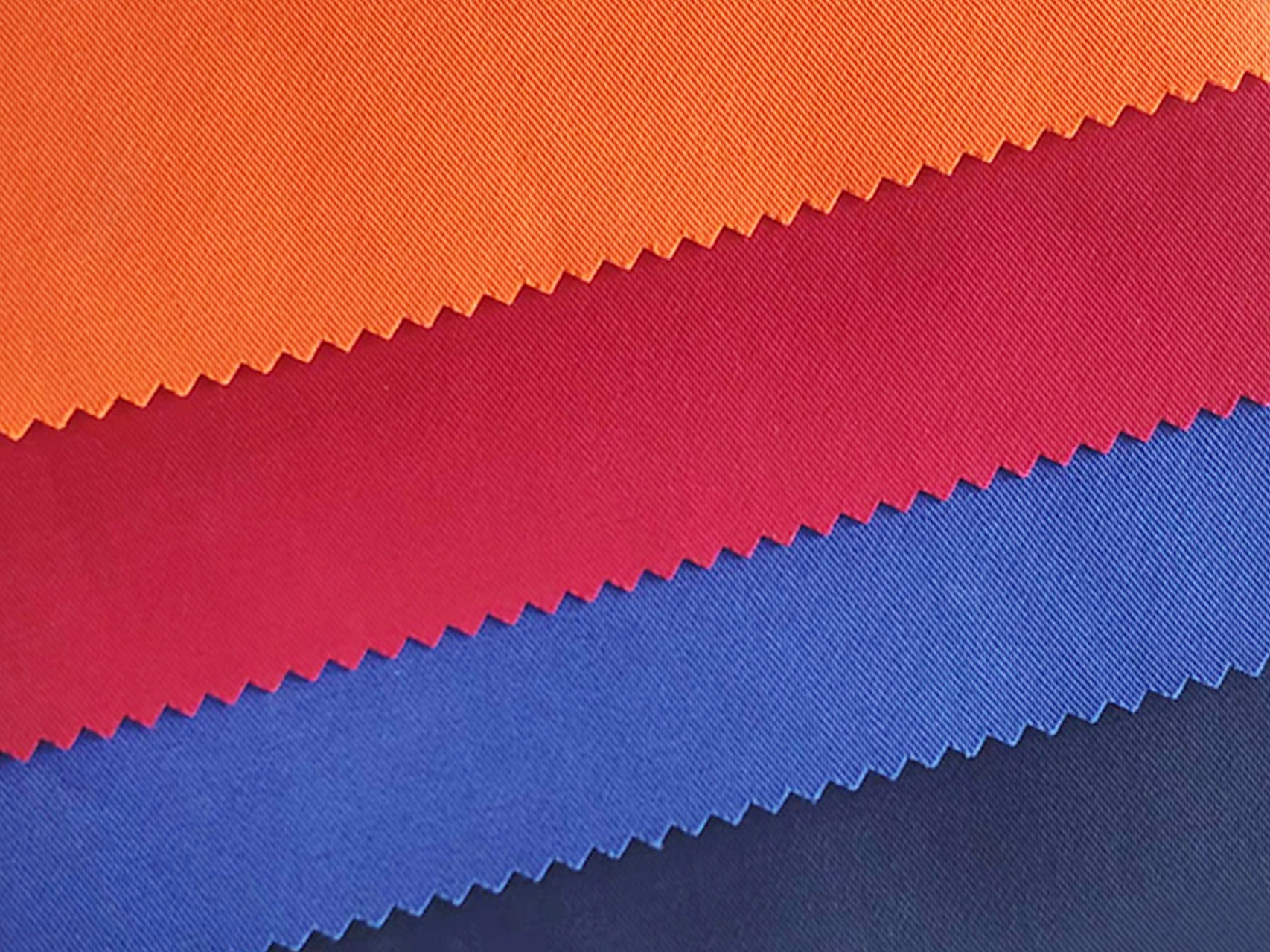
When we think about the safety of everyday products—mattresses, electronics, children’s clothing—we rarely pause to consider the chemicals woven, sprayed, or injected into them to slow fire. For decades, conventional flame retardants have been the invisible guardians lurking in our couches and circuit boards, promising protection. But the story doesn’t end when the alarm doesn’t ring; it merely shifts to a quieter, more insidious chapter. The silent bill comes due in the form of persistent health risks, environmental contamination that spans oceans and generations, and a protective illusion that may not even deliver on its core promise in real-world fires.
The true cost reveals itself slowly, often mimicking other modern ailments: hormonal disruption that goes unnoticed, developmental delays in children chalked up to other factors, or the strange rise of certain cancers. These compounds—halogenated and organophosphate variants, mostly—don’t stay put. They leach from furniture foam into household dust, cling to our hands, and enter our bodies. Once inside, they can masquerade as thyroid hormones or accumulate in tissues, silently altering biology for decades. Yet the regulatory frameworks that ushered them into our lives rarely accounted for these chronic, low-dose exposures, focusing instead on acute flame tests that don’t mirror how houses actually burn.
Beyond our bodies, the environmental ledger is just as bleak. Manufacturing plants release these toxins into waterways, where they hitch rides on microplastics to the farthest reaches of the planet—Arctic ice, deep-sea trenches, the breast milk of Indigenous women. They resist breakdown so stubbornly that a molecule created in the 1970s may still be cycling through a dolphin’s blubber today. Recycling streams become poisoned, too: a child’s toy made from recycled electronic plastic could carry a cocktail of legacy retardants never intended for such intimate contact. The hidden cost, then, isn’t just a line item on a balance sheet—it’s an intergenerational debt we’re only beginning to understand.
Nature’s Blueprint for Fire Resistance
Life thrives in some of the planet’s most fire-prone landscapes, not by luck, but by precise adaptation. Trees like the cork oak wrap themselves in thick, spongy bark that chars on the outside while insulating vital tissues within. This natural armor, evolved over millennia, allows them to withstand high-intensity flames that would destroy less prepared organisms. It’s a living library of thermal protection, offering clues far more elegant than anything purely synthetic.
Beneath the charred surface, chemical defenses add another layer of resilience. Many fire-adapted plants store moisture in succulent leaves or rely on heat-triggered seed release to ensure the next generation emerges only after a blaze clears competing vegetation. The subtle interplay between organic chemistry and physical structure represents a design language that balances sacrifice with survival. Even the fire’s behavior is reshaped by these traits, as certain leaves curl inward to shield delicate buds, reducing fuel continuity and slowing the burn.
What makes nature’s blueprint so compelling is its distributed intelligence—there is no single mechanism, but a symphony of interlocking strategies. From the resin-sealed cones of serotinous pines to the deep, fire-fleeing roots of prairie grasses, each solution emerges from the specific demands of its environment. By studying these quiet adaptations, we uncover principles that could inform smarter, low-toxicity resistance far beyond the lab, reminding us that sometimes the most advanced technology already exists in the wild.
A Lifecycle That Cares from Start to Finish
We believe that a truly exceptional product is defined not just by its performance, but by the journey it takes with you. From the moment an idea takes shape, our process is guided by a deep sense of responsibility—choosing materials that respect the environment, partnering with artisans who share our values, and crafting every detail with integrity. This is not just manufacturing; it’s a commitment to making choices that matter, before the product ever reaches your hands.
But our care extends far beyond the point of purchase. We’re there for the life of the product, offering support that’s as thoughtful as the design itself. Whether it’s a simple repair, a helpful guide, or a recycling program that ensures nothing goes to waste, we’ve built a system that stays with you. Because we know that true care doesn’t end when you open the box—it’s just getting started.
Intelligent Protection for Modern Living Spaces
Modern protection doesn’t announce itself with blinking lights or bulky panels. It’s woven into the fabric of daily life—discreet sensors tucked into doorframes, subtle hubs that blend with your bookshelf, and silent routines running in the background while you focus on what truly matters. The goal isn’t to turn a home into a fortress, but to create an environment where safety feels effortless.
What sets thoughtful systems apart is their ability to learn. Instead of reacting to every motion, they distinguish between a pet stretching at midnight and a window sliding open unexpectedly. Over time, they map the rhythms of your household—when you typically wake, when the last light usually dims—and use that knowledge to reduce false alarms while sharpening real ones. It’s less about surveillance and more about a responsive presence that adapts without being asked.
Aesthetics matter as much as the engineering underneath. Clean lines, natural materials, and interfaces that don’t demand constant attention mean protection complements your space rather than cluttering it. Whether integrated into smart glass or woven into fabric, the hardware recedes, leaving only peace of mind. And because every living space is unique, customization isn’t an afterthought—it’s the starting point.
Breathe Easy with Fabric That Shields and Soothes
Imagine a textile that acts like a silent guardian, filtering out irritants while you simply go about your day. Our specially engineered fabric forms a breathable barrier against pollen, dust, and urban pollutants, without trapping heat or moisture. It’s like wrapping yourself in a gentle, invisible shield that lets your skin breathe freely, so you can inhale deeply and feel the difference with every breath.
Beyond protection, the fabric is infused with a subtle soothing touch — think of it as a comforting layer that calms rather than constricts. The fibers are treated with a naturally derived, skin-friendly finish that reduces friction and static, which means less irritation for sensitive skin. Whether you’re out for a walk or winding down at home, the softness works quietly to help you relax, turning your garment into a personal retreat from the day’s unseen aggressors.
FAQ
Unlike conventional fabrics that rely on harsh chemicals, eco-friendly versions use naturally derived or non-toxic flame retardants, reducing harm to both people and the planet without compromising safety.
It seamlessly combines safety and style, offering a clean, contemporary look while providing passive fire protection that fits effortlessly into today’s homes and offices.
Yes, the eco-friendly treatment is designed to withstand regular use and cleaning, maintaining its protective qualities far longer than many expect, so you don't have to sacrifice longevity for sustainability.
Absolutely, it comes in a wide variety of weaves, patterns, and hues, giving you the freedom to design interiors that are both safe and visually inviting without limitation.
Look for certifications like OEKO-TEX, GOTS, or Greenguard, which verify low chemical emissions and sustainable production practices, giving you confidence in your choice.
Definitely. These fabrics are engineered to be soft and breathable, so you won't notice any difference from conventional textiles—just added peace of mind.
By avoiding volatile organic compounds and toxic additives, it helps keep indoor air fresher and healthier, which is especially important in tightly sealed modern buildings.
While the upfront cost can be slightly higher, its durability and long-term benefits often balance out the expense, not to mention the value of a safer, more sustainable living environment.
Conclusion
Eco-Friendly Flame Retardant Fabric represents a paradigm shift in safety, blending fire protection with environmental responsibility. Unlike conventional treatments that rely on harmful chemicals, these innovative textiles draw inspiration from nature’s own fire-resistant mechanisms, using bio-based or mineral-derived compounds that stop flames without releasing toxic fumes. This approach not only shields homes and public spaces but also addresses the hidden toll of traditional retardants—persistent pollutants linked to health issues and ecological damage. By redefining safety standards, we can protect lives without scarring the planet, ensuring that every layer of fabric contributes to a healthier indoor environment.
Beyond safety, the entire lifecycle of these fabrics is designed with care, from sustainably sourced raw materials to end-of-life biodegradability or recyclability. Intelligent protection adapts to modern living: furnishings, curtains, and upholstery that look and feel luxurious while self-extinguishing upon contact with fire. The result is a living space where you can breathe easy, knowing the air isn’t compromised by off-gassing irritants. These fabrics soothe both the senses and conscience, offering a durable, low-impact shield that harmonizes safety, comfort, and sustainability. In a world increasingly wary of hidden dangers, choosing eco-friendly flame retardant fabrics is a commitment to a cleaner, safer future.
Contact Us
Contact Person: Sandy
Email: [email protected]
Tel/WhatsApp: 86150 8310 5120
Website: https://www.frdrotex.com