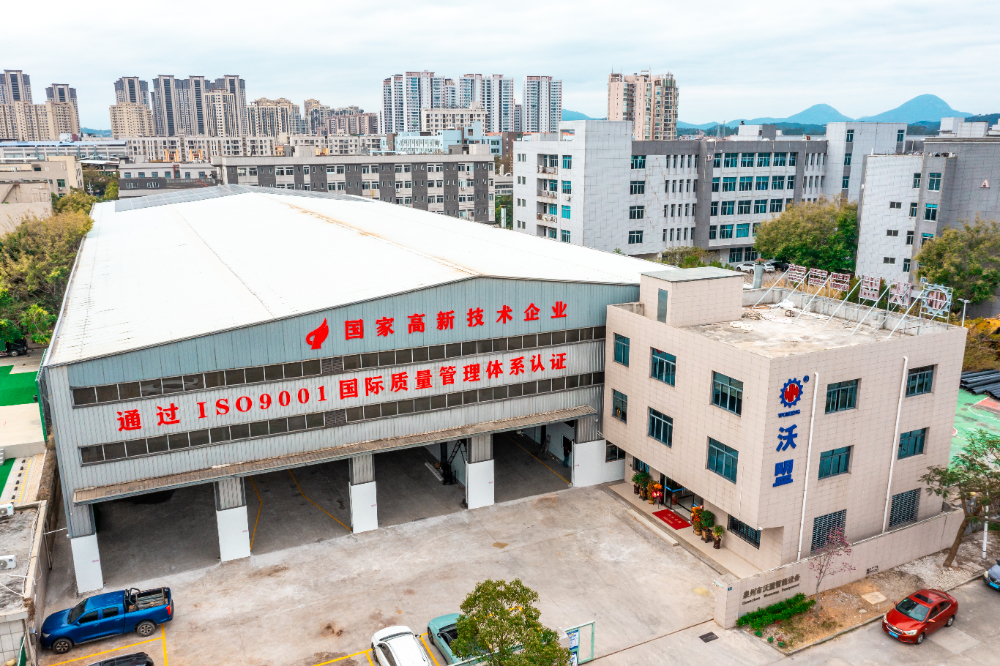

High-Speed Baby Diaper Machine: Revolutionizing Infant Care with Efficiency
2026-03-02
In a world where innovation meets everyday needs, the childcare industry is witnessing a groundbreaking transformation with the advent of the High-Speed Baby Diaper Machine. This technological marvel is not just about speed; it's about redefining how we approach infant care with unprecedented efficiency. At Womeng, we're proud to lead this revolution, crafting machines that deliver precision and reliability, ensuring parents have access to the highest quality products. Dive into this blog to explore how our cutting-edge solutions are setting new standards and making a real difference in baby care.
Innovations in High-Speed Baby Diaper Machinery
Recent advancements in high-speed baby diaper machinery have revolutionized production lines, boosting output while maintaining precision and quality. Manufacturers now integrate advanced servo motors and real-time sensors that adapt to material variations, reducing waste and ensuring consistent diaper fit and comfort. These innovations also enable faster changeovers between product sizes and designs, allowing for greater flexibility in meeting diverse market demands without sacrificing speed.
Beyond speed, new machinery incorporates sustainable features, such as eco-friendly adhesive systems and energy-efficient drying technologies, aligning with growing consumer preferences for greener products. Innovations in ultrasonic bonding have replaced traditional chemical adhesives in some models, enhancing safety and minimizing environmental impact. This shift not only supports faster production cycles but also addresses broader industry trends toward resource conservation and reduced carbon footprints.
Smart automation has become a game-changer, with AI-driven systems monitoring production in real-time and predicting maintenance needs to prevent downtime. These machines often include intuitive touchscreen interfaces that simplify operator training and reduce human error. By combining high-performance mechanics with intelligent software, manufacturers can achieve unprecedented efficiency, making high-speed diaper machinery a key driver in meeting global baby care demands cost-effectively.
Enhancing Infant Comfort with Rapid Production
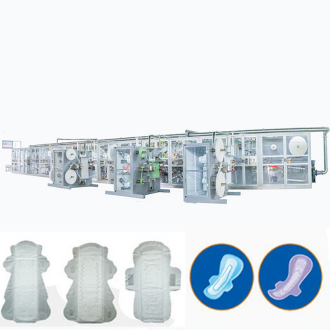
As parents navigate the early months with newborns, the need for products that prioritize both comfort and efficiency becomes paramount. Rapid production methods have opened avenues for creating items that address infant needs without compromising on quality or safety. This process ensures that innovations in soft materials and ergonomic designs can reach families quickly, reducing wait times and allowing for timely support during critical developmental stages.
By integrating advanced manufacturing techniques, such as on-demand production and streamlined supply chains, companies can respond swiftly to emerging trends in infant care. This agility not only enables the customization of products like swaddles or sleepers to suit individual preferences but also fosters a continuous cycle of improvement based on real-time feedback from caregivers. The result is a dynamic ecosystem where comfort is enhanced through thoughtful, rapid iteration, making everyday items more adaptable to the unique challenges of infancy.
In this context, the focus on rapid production aligns with broader goals of sustainability and accessibility, as it minimizes waste by producing items only as needed and can scale to meet global demand. This approach helps ensure that all infants, regardless of location, have access to well-designed comforts that support their well-being, reinforcing the importance of speed without sacrificing the nurturing touch essential in early childhood.
Efficiency Meets Safety in Modern Diaper Manufacturing
In today’s diaper manufacturing landscape, the push for efficiency isn’t just about speed and cost—it’s intricately linked with uncompromising safety standards. Advanced production lines now incorporate real-time monitoring systems, using smart sensors to detect defects and ensure each diaper meets stringent hygiene criteria. This blend of automation and precision minimizes waste while safeguarding product integrity, allowing manufacturers to scale operations without sacrificing the trust of caregivers and parents.
What sets modern facilities apart is their holistic approach to safety, extending beyond the final product to the entire manufacturing environment. By integrating eco-friendly materials and adopting closed-loop water systems, factories reduce environmental impact and eliminate contaminants. This proactive stance not only enhances operational efficiency but also aligns with growing consumer demands for sustainable, health-conscious choices, creating a competitive edge in a crowded market.
Ultimately, the synergy between efficiency and safety drives innovation, from AI-driven quality checks to ergonomic designs that prioritize infant comfort. By focusing on these dual pillars, manufacturers are redefining industry benchmarks, delivering diapers that are both reliable and responsibly made. This evolution reflects a deeper commitment to excellence, where every step in the process is optimized to protect and perform seamlessly.
Smart Technology Transforming Diaper Manufacturing
In the diaper manufacturing industry, smart technology is reshaping production lines with innovations like IoT sensors and AI-driven quality control. These tools monitor material usage and detect defects in real-time, reducing waste by up to 15% and improving product consistency. By integrating data analytics, companies optimize supply chains, ensuring faster delivery of high-performance diapers that meet evolving consumer expectations.
Beyond efficiency, smart technology introduces advanced features such as moisture-sensing chips and eco-friendly materials, enhancing diaper functionality while addressing sustainability concerns. Predictive maintenance systems powered by machine learning minimize downtime, allowing for agile responses to market demands. This transformation fosters a more responsive and innovative manufacturing environment, setting new standards in hygiene product development.
As the industry evolves, smart technology enables greater customization through flexible manufacturing processes, tailoring diapers to specific demographic needs like infant care or adult incontinence. Collaboration between tech firms and manufacturers drives continuous improvement, creating a competitive edge in a crowded market. This shift not only boosts profitability but also contributes to a safer, more sustainable future for consumers worldwide.
Cost-Effective Solutions for Global Childcare Needs
Tackling childcare needs globally requires innovative approaches that balance quality with affordability. Instead of relying solely on traditional daycare centers, communities can explore shared care models, such as cooperative parenting groups or neighborhood babysitting exchanges. These setups not only reduce costs but also foster stronger social bonds, making care more accessible for families with tight budgets.
In many regions, leveraging local resources and training volunteers can significantly cut expenses while maintaining care standards. For example, programs that train older adults or students in basic childcare skills can provide reliable support at minimal cost. By tapping into existing community networks, these initiatives ensure that quality care isn't reserved only for those who can afford premium services.
Technology also plays a key role in cost-effective childcare solutions. Virtual platforms can connect parents with affordable online tutoring or remote playgroups, reducing the need for physical infrastructure. This digital shift not only makes childcare more scalable but also adapts to modern family lifestyles, offering flexibility without breaking the bank.
Sustainable Practices in High-Speed Diaper Production
High-speed diaper production presents unique sustainability challenges, as efficiency often clashes with eco-friendly goals. To address this, many manufacturers are integrating advanced technologies like precision dosing systems that minimize material waste during rapid assembly lines. For example, by using real-time sensors and AI-driven controls, plants can adjust adhesive and absorbent material usage on the fly, reducing excess and lowering environmental impact without sacrificing output speed. These innovations not only cut costs but also align with growing consumer demand for greener products, making sustainability a core part of modern diaper manufacturing processes.
Beyond waste reduction, energy management plays a crucial role in sustainable high-speed diaper production. Facilities are increasingly adopting renewable energy sources, such as solar panels and wind turbines, to power their operations, significantly decreasing carbon footprints. Additionally, implementing heat recovery systems from machines can repurpose wasted thermal energy for heating or other processes, boosting overall efficiency. This holistic approach ensures that speed doesn't come at the expense of the planet, creating a more resilient and responsible production model that stands out in the competitive market.
Sustainable sourcing and end-of-life considerations further differentiate leading diaper producers. By opting for biodegradable or plant-based materials like cornstarch and bamboo in superabsorbent polymers, manufacturers reduce reliance on fossil fuels and improve product compostability. Coupled with initiatives to design diapers for easier recycling or safe disposal, these practices help close the loop in the product lifecycle. As a result, companies not only meet regulatory demands but also build stronger brand loyalty by demonstrating a genuine commitment to environmental stewardship at high production rates.
FAQ
Unlike older systems, high-speed machines incorporate advanced automation, precision sensors, and faster production lines, significantly boosting output while maintaining quality standards.
Efficiency allows for quicker turnaround from raw materials to finished products, ensuring a steady supply of reliable diapers for parents and caregivers, which is crucial for hygiene and comfort.
Revolutionary aspects include real-time monitoring of materials, reduced energy consumption, and minimal manual intervention, leading to consistent performance and fewer defects in diapers.
Yes, most modern machines are highly flexible, easily adjustable for various sizes and styles, enabling manufacturers to meet diverse market demands without major downtime.
Regular cleaning, software updates, and preventive checks on moving parts are essential to prevent breakdowns and maintain peak efficiency over time.
By optimizing material usage and reducing waste through precise cutting and assembly, they help lessen environmental impact while supporting eco-friendly production goals.
Conclusion
The advent of high-speed baby diaper machinery marks a significant leap in infant care, blending technological innovations with enhanced production capabilities. These machines introduce cutting-edge features such as advanced automation and precision engineering, which not only boost output but also improve diaper quality through consistent sizing and material distribution. By integrating smart technology, manufacturers can monitor and adjust processes in real-time, ensuring each diaper meets stringent safety standards. This rapid production directly contributes to infant comfort by delivering soft, well-fitting diapers that prevent leaks and irritation, supporting daily hygiene and well-being for babies worldwide.
Moreover, these high-speed systems champion efficiency and sustainability, addressing global childcare needs through cost-effective solutions. By optimizing resource use and minimizing waste, they reduce operational expenses, making high-quality diapers more accessible across diverse markets. Sustainable practices, such as eco-friendly materials and energy-efficient operations, align with environmental goals while maintaining high output levels. This holistic approach revolutionizes infant care by combining speed, safety, and affordability, ultimately fostering better health outcomes and supporting parents and caregivers in providing reliable care on a large scale.
Contact Us
Contact Person: Jessie Lai
Email: [email protected]
Tel/WhatsApp: 86-188594442931
Website: https://www.womengmachines.com