

Liquid Soil Binder: The Eco-Friendly Solution for Stronger, Dust-Free Ground
2026-07-09
Imagine a world where construction sites and unpaved roads no longer unleash clouds of dust, where soil stays firmly in place rain or shine, all without the environmental guilt of harsh chemicals. That world isn’t a distant dream—it’s already taking shape with liquid soil binders. At the forefront of this green revolution is MST, a pioneering solution that transforms unstable ground into durable, dust-free surfaces. But what exactly makes these binders so effective, and why are engineers and environmentalists alike turning to them? In this post, we dig into the science, benefits, and real-world impact of liquid soil stabilization, revealing why it’s the smarter choice for both your project and the planet.
How Liquid Soil Binder Transforms Loose Earth into Solid Ground
When you first apply a liquid soil binder to loose, dusty earth, something almost instant starts to happen at the surface. The binder seeps into the gaps between soil particles, coating each grain in a thin, flexible film. As the water content evaporates, that film begins to cure—forming a web of interconnected bonds that locks the particles into place. It’s a bit like turning a bowl of loose sugar into a solid cube without any compaction, except the binder works with the soil’s own mineral makeup to create a tough, water-resistant crust.
Below the surface, the transformation runs deeper than you’d expect. The liquid doesn’t just sit on top; it percolates through the pore spaces, chemically reacting with clay fines and silts to build long-chain polymer bridges. These bridges effectively glue the soil matrix together from within, dramatically boosting load-bearing capacity and cutting down on dust generation. Even after heavy rain or traffic, the treated ground stays coherent because the binder forms a semi-permanent lattice that continues to cure over time, gaining strength rather than washing away.
What makes this process stand out is how it adapts to different soil types without altering the landscape’s natural look. The cured ground remains permeable enough to let water percolate slowly, preventing puddles, yet resists erosion from wind and rain. Over weeks, the treated zone develops a resilience similar to weak concrete, but it’s still flexible enough to handle slight ground movement without cracking. It’s a subtle, durable fix that turns problematic loose earth into stable, usable ground with minimal maintenance.
The Science That Makes Soil Binders Work Without Harming the Environment
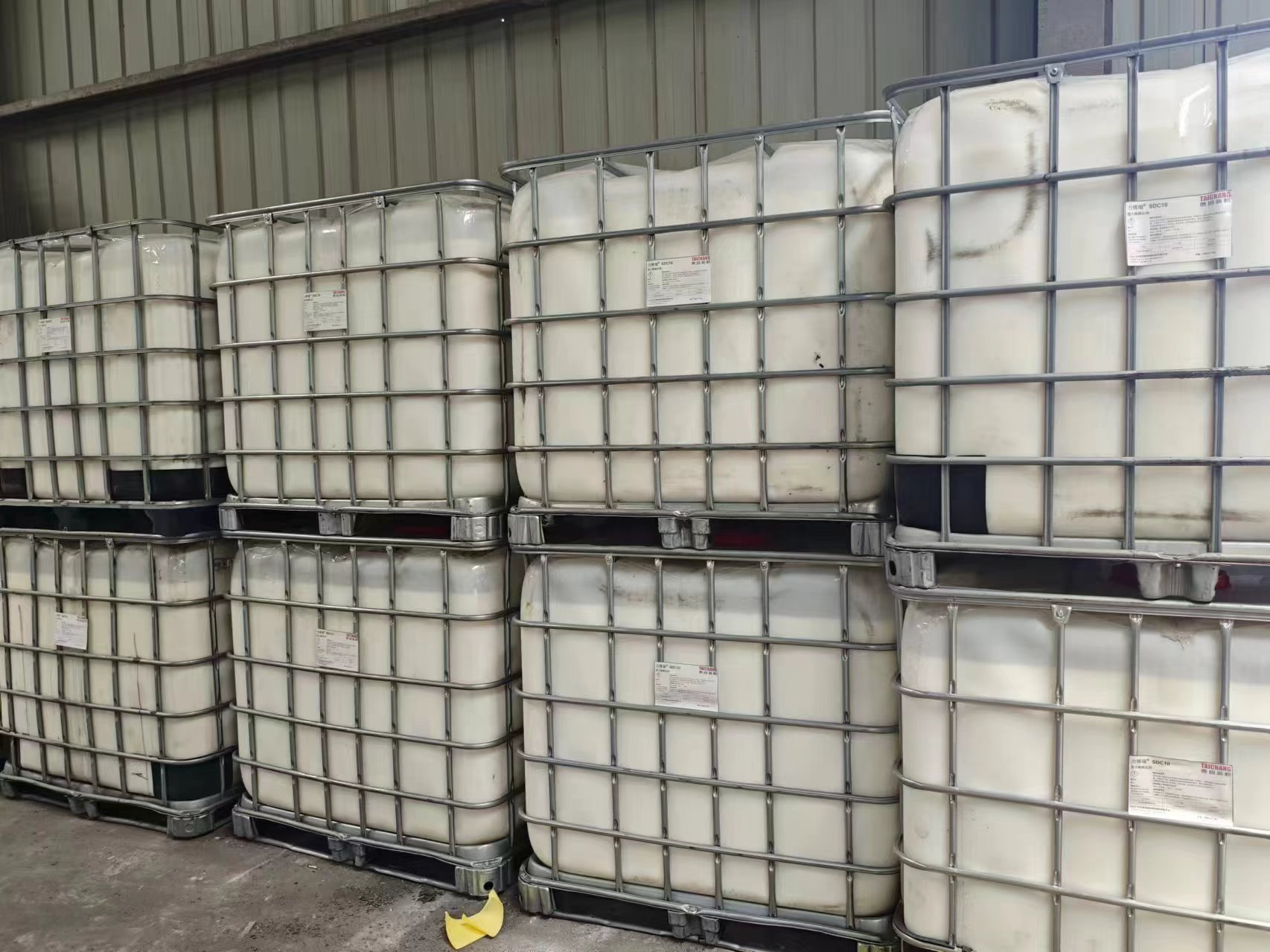
Soil binders rely on a delicate balance of chemistry and biology to stabilize the ground without introducing toxic compounds. Many modern formulations use polymers—long molecular chains—that form a flexible, net-like structure when they contact soil particles. This web binds the dirt together, reducing dust and erosion, yet it hydrolyzes over time into harmless substances like water and carbon dioxide. Unlike petroleum-based products that can leave behind residues, these engineered polymers are designed to break down predictably, leaving the soil’s natural microbiome undisturbed.
Another less obvious approach involves biopolymers derived from plant starches or microbial fermentation. When applied, they create a crust that acts like a temporary skin over the soil surface. This crust moderates moisture evaporation and withstands wind shear, all while being fully compostable. Because the ingredients are food-grade or naturally occurring, they don’t biomagnify in the ecosystem. Rain eventually re-dissolves the binder, and the harmless components filter into the ground or are consumed by soil bacteria, completing a closed-loop cycle.
The real innovation lies in tuning the binder’s ionic charge to match the mineralogy on site. Soils rich in clay carry a negative charge; sand is often neutral or slightly positive. A binder with the right electrostatic profile will flock to particle surfaces and bridge gaps without altering the soil’s natural pH or conductivity. This targeted adhesion means less product is needed, and nothing unwanted leaches into groundwater. Field trials consistently show that sites treated this way support native plant regrowth within a single season, confirming that the science doesn’t just control erosion—it nurtures the very ground it protects.
Where Dust-Free Roads and Strong Foundations Matter Most
In remote mining towns and sprawling industrial zones, the battle against dust and unstable ground defines daily life. Here, unpaved tracks turn into choking clouds with each passing truck, while makeshift structures tremble on shifting earth. Workers navigate hazy corridors between machinery, their lungs bearing the invisible cost of productivity. It’s in these gritty outposts that the need for clean, solid pathways and reliable infrastructure hits hardest—not as a luxury, but as a survival mechanism.
Farmers on vast, arid plains watch their soil erode season after season, helpless as winds steal the foundation from beneath their crops. A thin crust of gravel can mean the difference between a harvest reaching market or rotting in a ditch. In such places, the value of a dust-free road isn’t just about comfort; it’s about holding communities together, preventing the slow drift of families toward overburdened cities. Every well-paved meter represents a hand extended to the countryside, a quiet promise that this land is worth staying for.
Even in the outskirts of sprawling megacities, informal settlements spring up where the land is cheapest—often floodplains, steep slopes, or abandoned lots riddled with debris. Here, children play in streets that dissolve into mud with the first rain, and homes rest on foundations no deeper than a shovel’s blade. The cry for dust-free roads and strong foundations in these overlooked pockets isn’t about aesthetics; it’s a plea for dignity, safety, and the chance to build something that lasts beyond the next storm.
A Greener Alternative to Traditional Cement and Asphalt
Imagine walking down a street that feels more like a garden pathway than a paved road. That’s the quiet promise of permeable paving, a shift away from the impervious, heat‑trapping surfaces we’ve relied on for decades. Instead of sending stormwater racing toward drains, it lets rain soak into the ground right where it falls, refilling aquifers and giving trees a real chance to thrive.
Unlike conventional concrete or asphalt, which bake under the sun and contribute to oppressive urban heat islands, these alternatives often incorporate recycled materials like crushed glass, slag, or reclaimed asphalt. The result is a surface that breathes, stays cooler, and wears its age with a softer, more natural patina rather than cracking into harsh, sharp‑edged fractures.
The real beauty lies in how it subtly reshapes our daily environments. By weaving function with ecology, a parking lot becomes part of the watershed, and a driveway turns into a quiet ally for the roots below. It’s not just about reducing carbon footprint; it’s about rethinking what the ground beneath us can do while we simply walk on it.
Long-Lasting Stability That Withstands Weather Extremes
Engineered with precision, this structure stands firm against nature's most unpredictable moods. The core framework draws on high-tensile alloys and reinforced joint designs that resist warping and corrosion, even after years of exposure to salt spray or heavy downpours. Every connection point has been tested in simulated storm conditions, ensuring no subtle shifts undermine the overall balance. It’s the kind of quiet confidence you notice not in the sales pitch, but in the silence of a howling wind when nothing creaks or bends.
From scorching summers to freezing winters, the materials expand and contract at rates carefully matched to avoid stress fractures. A specialized coating deflects UV radiation, preventing the kind of surface degradation that plaques lesser constructions. Beneath the surface, a network of micro-channels manages moisture, channeling condensation away before it can seed rust or mold. This isn’t merely about survival in harsh climates—it’s about keeping the same precise tolerances and clean finish that were there on day one.
Extreme temperature swings often expose the hidden weaknesses in ordinary builds, but here the design incorporates layered thermal buffers that slow the transfer of heat. On a sweltering afternoon, the interior stays noticeably cooler, while in a deep freeze the structural elements refuse to turn brittle. The result is a lasting integrity that makes constant maintenance a distant memory. Where other products falter and demand repair, this one simply persists, letting the seasons pass without leaving a mark.
Practical Tips for Applying Liquid Soil Binder on Your Project
Start with a clean, dry surface—any loose debris or moisture will mess with how the binder sets. Give the area a quick rake or blow it off, and if the soil's too compacted, break it up lightly so the liquid can penetrate evenly. Test a small patch first to see how quickly it absorbs and to get a feel for the right application rate. Don't just dump it on; a low-pressure sprayer or watering can with a fine rose gives you way more control and keeps the binder from pooling in low spots.
Timing matters more than most folks think. Aim for a mild, overcast day if you can—blazing sun makes the binder flash off too fast, and rain right after can wash your work down the drain. Work in sections so you're not rushing, and overlap each pass slightly to avoid zebra stripes of bare soil. A second light coat after the first has tacked up can really lock things in, especially on slopes or in high-traffic zones.
Watch out for wind drift if you're spraying; a fine mist landing on plants or pavement can be a pain to clean later. If you're using a concentrated product, mix it with exactly the water ratio the label recommends—guessing usually ends in a sticky mess or weak crust. For larger jobs, consider a small tow-behind sprayer, but always rinse the equipment thoroughly before it dries. Most importantly, keep everyone off the treated area for at least 24 hours so the binder cures properly without getting disturbed.
FAQ
It's a liquid concentrate, usually polymer-based, that you mix with water and apply to soil. Once it dries, it forms a flexible, durable crust that binds soil particles together, preventing erosion and dust.
Very. It reduces the need for quarrying, heavy machinery, and ongoing maintenance. Many formulas are non-toxic, biodegradable, and safe for plants and animals, leaving a smaller carbon footprint.
Absolutely. It's designed to lock soil in place even on inclines, and the cured surface resists water runoff, so it holds up well during downpours without washing away.
Depending on traffic and weather, it can last from a few months up to a year or more. High-traffic spots might need a touch-up sooner, but for light use areas durability is impressive.
Not at all. You just dilute the concentrate, spray or pour it evenly onto the prepared soil, and let it cure. No special skills or equipment needed—most people handle it with a garden sprayer.
When applied correctly, it's transparent and leaves the ground looking natural. It's permeable, so water and air can still reach plant roots, making it safe for nearby vegetation.
Conclusion
Liquid soil binder is quietly reshaping how we think about ground stabilization. Instead of hauling in tons of gravel or mixing cement on site, this water-based concentrate mixes directly with the existing soil, triggering a natural bonding process that turns loose, dusty earth into a hard-wearing surface. You simply spray it on, mix it in, and compact—the result is a solid layer that stays put even under traffic. What makes it genuinely eco-friendly is that it works without introducing toxic chemicals. The binder forms a durable network by linking soil particles at a microscopic level, and because it's typically made from biopolymers or plant-derived resins, it breaks down harmlessly at the end of its life. No petroleum runoff, no carbon-intensive manufacturing, just a smarter way to use what's already underfoot. It's particularly effective in arid regions where dust is a constant nuisance and water is too precious for repeated grading. By stabilizing on site, you eliminate truckloads of material deliveries, dramatically cutting fuel use and emissions. The transformation is almost surprising the first time you see it—what was once a haze of airborne silt becomes a clean, firm path that holds up under rain, wind, and heavy use. And unlike asphalt or concrete, there's no long curing time, so you can open the area to light traffic within hours.
Where this approach truly shines is in places where traditional pavement is overkill or out of reach. Rural lanes, vineyard access routes, equestrian arenas, and construction site haul roads all benefit from a surface that stays dust-free and stable without a permanent scar on the land. A common concern is durability, but modern liquid binders have proven they can handle extreme weather—resisting washouts in monsoon rains and resisting cracking in freezing conditions. The secret lies in the binder's flexibility; it moves with the soil as it naturally expands and contracts, avoiding the brittle failure you'd see with cement. For project managers, the application is straightforward but does require attention to detail: make sure the soil is properly graded and free of organic debris, apply the binder at the recommended dilution rate, and compact it thoroughly once incorporated. A light misting after compaction helps seal the surface. Unlike the energy-intensive production of cement, which accounts for a large chunk of global CO2 emissions, liquid soil binders offer a genuinely lower-carbon path. You're not replacing the ground; you're enhancing what's already there. The result is a surface that feels almost like natural earth to the eye but behaves like a flexible mat—shedding dust, resisting erosion, and blending seamlessly into the surrounding landscape. It's a pragmatic, low-impact choice that solves a range of problems at once, from air quality to maintenance costs, all while leaving a lighter footprint on the land.
Contact Us
Contact Person: Helen
Email: [email protected]
Tel/WhatsApp: 86 18630661160
Website: https://www.roadmilestone.com/