

ODM Bending Parts: How to Choose the Right Manufacturer for Custom Metal Fabrication
2026-11-16
Every custom metal fabrication project starts with a simple question: can your manufacturer actually deliver the bend you designed? Too often, the answer is no. ODM bending parts demand precision, material knowledge, and a partner who understands your production goals. In this guide, we’ll walk through the key factors—from tooling capabilities to quality control—so you can choose the right manufacturer. And if you’re looking for a team that gets it right the first time, BOYIKUN is worth a closer look.
Reading Between the Lines of a Manufacturer’s Capabilities
A glossy brochure can list impressive certifications and state-of-the-art equipment, but it rarely tells you how a manufacturer handles a batch that drifts out of tolerance at 2 a.m. Real capability often shows up in the quiet corners: the way raw material is stored before it hits the line, the attention given to a fixture that only gets used twice a year, or the honesty in a quality report when a non-conformance is logged. These details rarely make it into marketing copy, but they shape every shipment that leaves the dock.
Spend an hour on the shop floor and watch how operators respond to a drawing note that is slightly ambiguous. Do they stop and ask, or do they fill the gap with an assumption that later becomes a costly rework? The answer reveals more about process maturity than any ISO audit summary. Likewise, ask to see a recent first-article inspection for a complex part — not the polished sample they keep in the lobby, but the actual document with handwriting in the margins. The presence of thoughtful margin notes often signals a team that thinks in terms of failure modes rather than just checking boxes.
Capability also lives in the questions a manufacturer asks you before quoting. If they only ask for quantity and lead time, they are selling capacity. If they probe into fit, function, and the consequences of a dimensional drift, they are selling engineering judgment. That difference becomes critical when your design is still evolving and you need a partner who can flag a tolerance stack-up before it becomes a field failure. So read between the lines — the truth is usually in the asides, the pauses, and the follow-up emails that arrive after the meeting ends.
Where Design Intent Meets Bending Reality
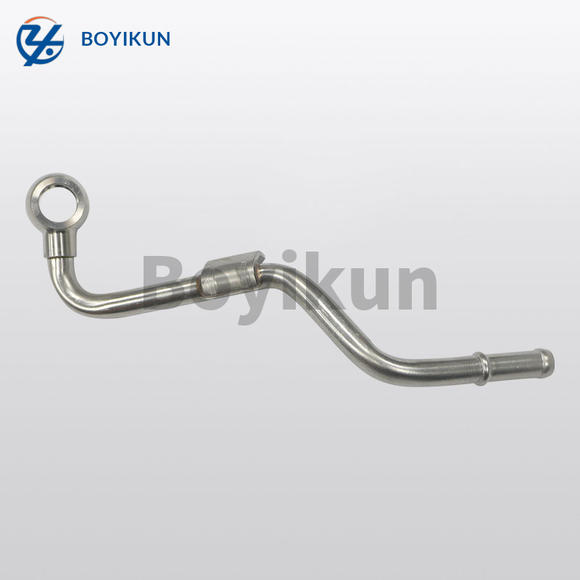
Designers often sketch parts with crisp corners and tight radii, imagining metal as a perfectly obedient material. But once that flat pattern hits the press brake, reality sets in. Springback, grain direction, and tooling limitations all push back against the original intent. The gap between the CAD model and the bent part is where true manufacturing expertise lives.
Closing that gap rarely happens in a single step. It requires testing, measuring, and adjusting—sometimes shaving a few degrees off a bend angle, sometimes rethinking the entire sequence. Skilled press brake operators develop an intuition for how a specific alloy will behave under load, and that intuition is just as important as the digital file. When design intent finally aligns with bending reality, the result is a part that not only looks right but also fits and functions exactly as intended.
That alignment doesn't mean sacrificing creativity. Instead, it means designing with an awareness of the bending process from the very first sketch. The best results come from a dialogue between the designer's vision and the physical behavior of the metal—a back-and-forth where both sides inform the final shape. In that space, precision and craft meet.
The Hidden Costs of Cutting Corners on Material
It starts with a simple spreadsheet decision: a cheaper supplier, a lower-grade alloy, a thinner coating. The savings show up immediately, and everyone feels good about meeting the budget. But that's where the real expenses begin to stack up, usually in ways nobody bothered to calculate before signing the purchase order.
Unexpected downtime is the most obvious culprit. When components fail early, maintenance crews spend their nights and weekends chasing replacements, while production lines sit idle. Each hour of lost output costs far more than the difference in material price. Then there are the less visible hits—shipping rush orders, expediting fees, and overtime labor just to keep things running.
Beyond the balance sheet, cutting corners on material quietly erodes trust. Clients notice when products don't hold up, and contractors who once recommended you start hesitating. The repair work, the legal exposure from premature failures, and the damage to a reputation built over decades can't be offset by the initial discount. In the end, the cheapest material often carries the heaviest long-term price tag.
Tolerances That Don’t Just Live on Paper
A tolerance on a drawing is easy to admire. A few microns here, a surface finish there—looks disciplined until the first batch arrives and half the parts need rework. The tolerances that actually matter are the ones that survive temperature swings, hand assembly, and a rushed Friday afternoon shift. They show up in the fit between a bearing and its housing, not just in a CAD file.
When a machinist tells you a dimension is “close enough,” they’re often right, but only because they’ve learned which tolerances quietly carry the load. The real spec isn’t the one in the title block; it’s the accumulated drift across three mating parts after thermal expansion, vibration, and a few thousand cycles. That’s the tolerance you can’t fake.
Good shops don’t just hit numbers. They chase the feel of a sliding fit, the resistance of a pressed pin, the way a gear settles into mesh. Those checks rarely show up on an inspection report, yet they decide whether a product earns trust or gets returned. Tolerances that live only on paper are worthless until someone makes them real.
Lead Times That Survive Contact with Reality
A lead time that looks tidy on a spreadsheet rarely survives the first phone call to a supplier. The promised eight weeks quietly becomes ten after a batch of castings fails inspection, a freight forwarder misses a sailing, and a purchasing manager discovers that the 'available' raw material is sitting in a warehouse three countries away without paperwork. These are not exceptions; they are the normal friction of moving physical goods through an imperfect world.
The lead times worth trusting are the ones built from observed history rather than hopeful negotiation. If every order for the past year has cleared customs in four to six days, planning around two days is fantasy. Teams that update their lead times after each shipment—not annually—start to see the difference between a number that satisfies a sales deck and a number that lets production actually commit to a date.
When Communication Decides the Final Bend
After months of back-and-forth, the terms on the table look settled except for one stubborn clause. Neither side wants to reopen the whole deal, yet neither will blink. That's when communication stops being a tool and becomes the terrain itself. A single poorly timed sentence—too casual, too defensive—can tilt the entire negotiation. What gets said in that final stretch often matters less than how it lands.
The final bend is rarely about logic. Both parties already know the numbers, the deadlines, the risks. What they don't know is whether the person across the table will be reasonable once the ink dries. Here, small signals carry outsized weight: pausing to acknowledge a concern instead of brushing past it, offering a concrete example instead of a vague promise, admitting what you don't control. These choices either lower the other side's guard or raise it.
In practice, this means resisting the urge to pile on more arguments when the pressure peaks. Restate the other person's core worry in your own words, then answer it with a plain, verifiable statement. The goal is not to win the last point but to leave the other side feeling heard enough to take the final step. Often, that quiet shift in tone is what turns a near-collapse into a handshake.
FAQ
Look at their equipment list and ask about past projects with similar materials and bend radii. A shop that regularly works with your material thickness and grade will have a much better feel for springback and tolerance control.
Request detailed photos or samples of previous work that involve multiple bends, tight radii, or unusual angles. Also ask if they use CNC press brakes with programmable back gauges and whether they run forming simulations before cutting metal.
It affects everything from bend allowance to surface cracking. A good manufacturer will point out when your chosen alloy has high springback or low ductility and suggest an alternative or adjust the bend sequence to avoid rejects.
Generally yes. In-house tooling lets them modify punches and dies quickly, run prototypes without waiting for external suppliers, and keep tolerances tighter because they control the entire setup.
Ask how they inspect first-off pieces and what measuring tools they use during production. Look for evidence of documented checks at key stages, not just a final visual once-over.
Find out their current workload, typical turnaround for orders of your size, and whether they reserve capacity for repeat customers. Also clarify minimum order quantities and how they handle rush jobs without sacrificing setup quality.
When the manufacturer reviews your drawing early, they can flag bend interference, suggest relief cuts, or recommend a different bend order. That early feedback often saves several prototype rounds and lowers the final part cost.
Conclusion
Most capability sheets look impressive until you ask how a shop handles springback on a 3mm stainless bracket with a tight inside radius. That question separates a true bending partner from a job shop that lists press brakes but lacks the tooling or experience to hold the form. Design intent often assumes perfect geometry; bending reality includes material variation, grain direction, and machine deflection. If the manufacturer doesn't raise these issues during quoting, they'll surface later as scrap. The same applies to material sourcing. Substituting a cheaper coil that barely meets spec can work on paper, but it usually shows up as inconsistent bend angles, surface cracking, or parts that fail after plating. Don't let a low price hide the cost of rejected batches. And tolerances? A ±0.1mm note on a 2D drawing means little if the shop doesn't measure the actual formed part after springback and make corrections. Ask for a first-article report that shows real values, not just a printed CAD screenshot.
Lead times are another area where optimism beats reality. A supplier may promise four weeks because that's what you want to hear, then delay when a forming tool breaks or material arrives late. Look for a manufacturer who builds buffer into the schedule and tells you about potential bottlenecks before they happen. That honesty often comes from good communication. The final bend is decided long before the part hits the press brake: in the DFM feedback, the tolerance discussion, the surface finish agreement, and the packaging plan. A shop that asks questions about how the part will be used, what loads it will see, and what assembly steps follow is more likely to deliver something that fits and functions. Choosing an ODM bending partner isn't about the cheapest quote or the longest equipment list. It's about finding someone who treats your part as a problem to be solved, not just a drawing to be processed.
Contact Us
Contact Person: Xianchen Hu
Email: [email protected]
Tel/WhatsApp: 86-13248645200
Website: https://www.hexnb.com/