ODM Frozen Drink Machines That Deliver Consistent Quality and Custom Branding
2026-11-17
Frozen drinks are only as good as the machine behind them. Too many operators discover that inconsistent texture, slow chilling, or limited branding options quietly eat into both margins and customer loyalty. YOMAN takes a different route: its ODM frozen drink machines are built to deliver the same smooth, reliable pour from first cup to last, while giving you the freedom to put your own name front and center. If you have ever wondered where to find equipment that performs like a house brand but carries your brand identity, the answer may be closer than you think. Read on to see how YOMAN combines production consistency with custom branding, and why that combination matters more than most buyers expect.
Where Consistent Texture Comes From in a Frozen Drink Machine
The smooth, spoonable body you get from a frozen drink machine isn't an accident. It starts with the dasher, a spiral blade that spins inside the freezing cylinder. Instead of just mixing, the dasher scrapes a thin layer of frozen product off the cylinder wall with each rotation. That scraped layer gets folded back into the center, where it chills further while air is worked in. The result is a fine, uniform crystal structure rather than a block of ice or a slushy mess. Temperature control matters just as much: if the cylinder runs too cold, the mix freezes too fast and turns gritty; too warm, and it stays thin and runny. Most machines hold the product right at the edge of freezing, which keeps viscosity steady without needing constant adjustment.
What most people don't see is how the machine manages overrun, the amount of air whipped into the drink. A well-tuned frozen drink machine pulls in air as the dasher turns, creating millions of tiny bubbles that give the drink its soft, creamy mouthfeel. Too little air and the texture feels heavy and icy; too much and it collapses quickly into foam. The balance is set by the shape of the dasher, the speed it rotates, and the pressure inside the cylinder. Because the machine controls these variables automatically, the texture stays consistent from the first cup to the last, even when the ambient temperature or the drink mix changes. That's why the same machine can turn a sweetened fruit base into a smooth slush or a dairy mix into something closer to soft serve, without anyone touching a dial mid-shift.
Another factor is time. A frozen drink machine works in small batches, continuously freezing and dispensing rather than holding a huge vat of product. This cycle keeps the mixture moving, so ice crystals don't have a chance to grow large or clump together. When you pull the handle, fresh product flows out, and the remaining mix stays in motion against the chilled cylinder. The result is a texture that holds its shape on a spoon but still melts cleanly on the tongue. It's the combination of scraping, air incorporation, and precise temperature that makes the difference, not a single ingredient or setting.
Branding Choices That Go Beyond a Logo on the Panel
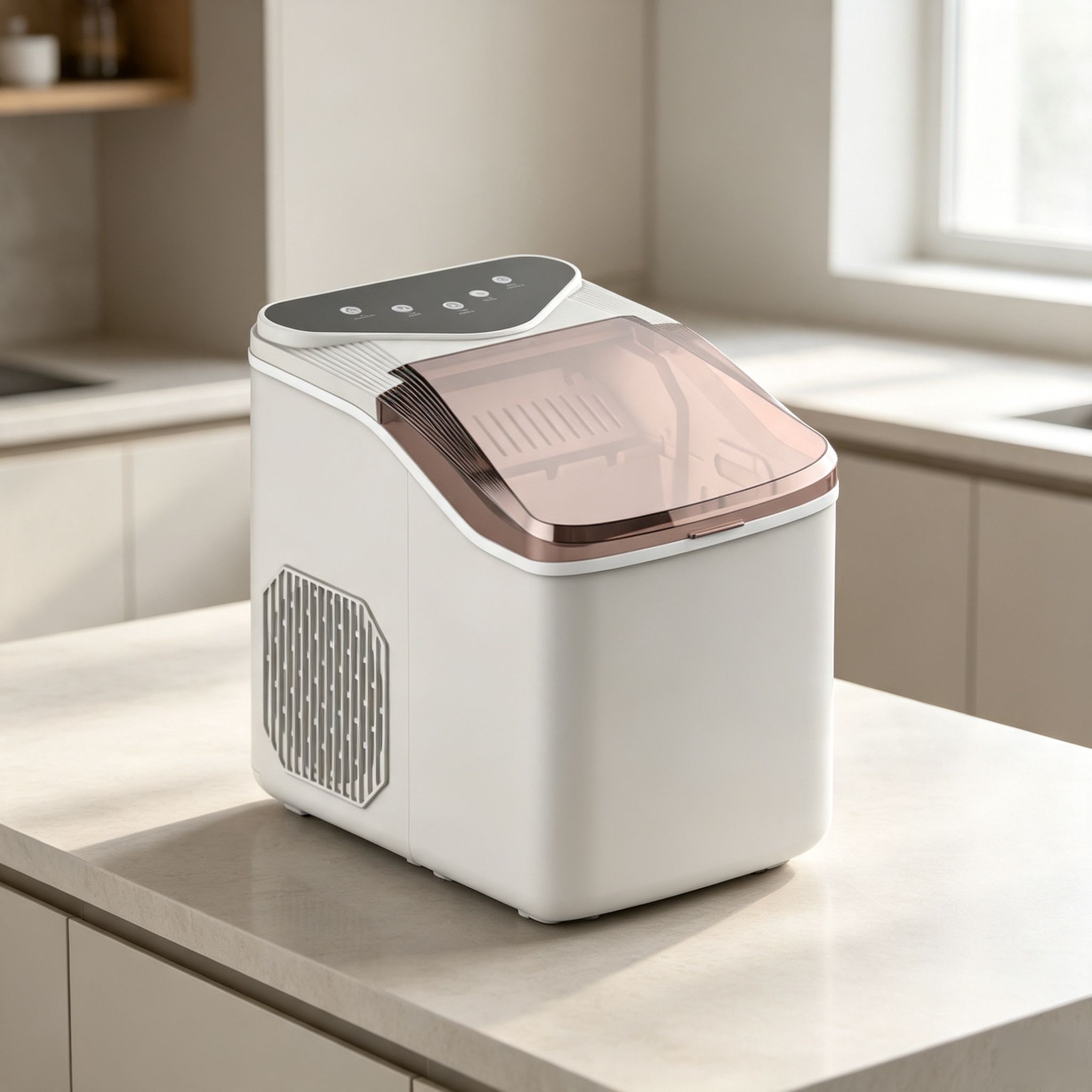
Most people notice the panel before they ever see a logo. That first impression is shaped by choices that seem almost invisible: the depth of a reveal, how a corner is finished, the matte level of a laminate, or the slight warmth of an off-white that changes under different lighting. When a panel is mounted with precision and the surface carries a tactile grain, it signals a company that sweats the details long before a wordmark enters the frame.
Color and material can do heavier branding work than a symbol. A powder coat matched to the exact tone of a product line, an anodized edge that echoes the trim inside a building, or a recycled composite with visible flecks pulls a panel into a larger story. These choices create recognition from across a room, where a logo would be too small to mean anything at all.
Even the way a panel ages says something. A chosen patina, a finish that hides fingerprints, or a substrate that resists bowing in humid corridors will keep the brand legible years after installation. When every panel in a building shares the same quiet grammar, from fastener style to corner radius to reveal width, the identity becomes part of the architecture instead of an afterthought stuck on its surface.
Matching Refrigeration Power to the Drinks You Actually Sell
Undersizing a unit means the compressor runs flat out during a Friday rush, struggles to pull temperatures back down after every door swing, and still lets bottles creep toward room temperature. Oversizing is quieter but wasteful: short cycles, humidity swings, and a power draw that never matches the actual stock. The useful question is not how big the cabinet is, but what it holds and how often it gets opened.
Start with the real menu. A bar moving mostly bottled beer and canned seltzer needs steady mid-range cooling, while a grab-and-go case packed with dairy-based mixers or fresh juices asks for faster pull-down and better airflow. Count the peak-hour door openings, watch where the unit sits, and check whether back-of-house storage or undercounter access changes heat load. Then match compressor capacity and fan speed to that pattern instead of chasing a one-size-fits-all rating.
A good fit shows up in recovery time. After a busy stretch, the cabinet should settle back to target temperature without the motor screaming and without cold spots freezing glass bottles near the vents. If you notice the system cycling constantly or running far less than expected, let that behaviour guide the next adjustment rather than the brochure number.
A Production Timeline You Can Plan a Launch Around
Start with the date you want finished goods sitting on the shelf, then work backwards. Fixed checkpoints for material approvals, sample sign-offs, and final packaging turn a loose production plan into a sequence you can actually hold people to. Reverse scheduling makes the launch date feel rehearsed rather than aspirational.
Build in one visible buffer between the last factory sign-off and the day freight leaves. That single gap catches most real-world delays: a finish that hasn't cured, a component that lands late, a batch that needs rework. Without it, every small slip quietly pushes the whole launch.
Keep the timeline simple enough to read at a glance. One milestone per row, one owner per row, and a clear mark when a task blocks the next step. A plan that hides dependencies gets ignored; a plan people can scan gets followed.
Daily Cleaning and Repairs Without the Usual Friction
Keeping a space clean and functional rarely makes the list of favorite tasks, yet the usual friction around upkeep often comes down to cumbersome tools, unclear steps, or the dread of lengthy repairs. A better approach starts with recognizing that most daily cleaning and small fixes don't require expertise—just a predictable rhythm and the right, simple equipment within arm's reach. When a spill, a loose handle, or a dusty corner no longer triggers a mental debate about whether it's worth the effort, the burden quietly lifts.
The trick is to design routines that feel less like chores and more like brief resets. Keep repair essentials in a single tray, group cleaning supplies by the rooms where they are actually used, and tackle small issues the moment they appear rather than letting them pile into weekend marathons. A two-minute wipe-down after dinner, a quick tightening of a wobbly chair leg before it worsens, or replacing a frayed cord early—these micro-actions prevent the overwhelming backlog that makes maintenance feel heavy and frustrating.
What removes friction most effectively is lowering the threshold to begin. Choose tools that don't require complicated setup or cleanup, use checklists only if they help rather than intimidate, and accept that not every task needs a perfect finish. When cleaning and repair become ordinary parts of the day instead of dramatic interruptions, the home or workspace tends to stay in a state of quiet readiness—and the mental load tied to upkeep shrinks along with the physical mess.
Custom Options That Do Not Add Weeks to the Build
Not every personal touch has to slow down production. Paint finishes pulled from the standard palette, interior trim swaps, wheel designs already stocked at the plant, and software-based features like ambient lighting themes or driver assistance unlocks can often be selected without moving the delivery date. These choices sit inside the normal flow of the assembly line, so the factory simply picks a different bin or flashes a different setting instead of routing the vehicle through a separate customization bay.
What tends to add real time are structural changes, hand-fitted materials, or low-volume paint colors that require a separate booth and curing window. If you want a build that stays on schedule, ask which options are treated as line-fit rather than off-line. Line-fit items are installed as the unit moves through its regular stations, which means they rarely add days, let alone weeks. Sticking to those choices gives you a more tailored result without pushing your delivery into the next production block.
FAQ
The housing panels, drip tray, control overlay, and even the push levers can be printed or molded in your brand colors. We also offer optional backlit signage and custom startup screens.
The chilling system uses a torque-sensing auger that adjusts speed automatically, so viscosity stays within a narrow band. Temperature probes cycle the compressor in short pulses instead of wide swings.
Granita, slush, frozen juice, frozen coffee, and soft cocktail bases all run on the same platform with quick-change bowls and adjustable consistency settings.
Yes. We start with your menu, cup sizes, and counter layout, then adjust bowl capacity, voltage, faucet placement, and casing finishes to match. You are not limited to stock configurations.
Each machine runs a full freeze cycle with a calibrated test mix. We log draw weight, texture, temperature, and cycle recovery time, and those records ship with the unit.
Most daily tasks are tool-free: the bowls, augers, and faucets lift out for rinsing. A color-coded cleaning schedule and fault-code guide reduce guesswork.
Standard samples take about 15 days, and production usually completes within 30 to 35 days after sample sign-off. Complex tooling or electronics changes can add two to three weeks.
Conclusion
A dependable ODM frozen drink machine does not begin with a catalog frame and a logo sticker. The texture you serve comes from the way the drive motor, dasher, and evaporator are matched to a specific viscosity target, whether the menu leans toward icy granitas, soft slush cocktails, or heavier cream-based frozen coffee. When that balance is right, the first cup and the last cup during a rush hold nearly the same body without the operator constantly adjusting settings. Refrigeration capacity should be selected from the drinks you actually sell, not from a generic one-size-fits-all rating. High-sugar mixes release heat differently than fruit purees or dairy bases, so compressor sizing, airflow, and coil design all shift with the menu. This is the kind of detail that separates machines that merely freeze from machines built for repeatable quality.
Custom branding should extend past a printed panel. Color-matched body panels, backlit graphics, etched drip trays, and branded tap handles can all be engineered into the build without slowing production, because an experienced ODM partner keeps those options modular and ready to specify early. Daily cleaning is where operators usually lose time, so removable mixing chambers, tool-less seals, and accessible drain paths matter as much as the branding on the outside. A realistic production timeline also depends on this modular approach: when custom choices are pre-engineered rather than treated as specials, lead time stays predictable and launch planning becomes straightforward. Repairs follow the same logic, with common wear parts reachable from the front and spare components kept in stock.
Contact Us
Contact Person: Mr. Sun
Email: [email protected]
Tel/WhatsApp: 8618867635088
Website: https://www.nbyoman.com/