

OEM Filling and Sealing Machine Essentials Every Packaging Buyer Should Know
2026-11-19
Most packaging buyers don’t realize how much an OEM filling and sealing machine choice quietly shapes production uptime, waste, and brand consistency until a line stalls. The gap between a machine that merely fills and one that fits your process often comes down to a handful of essentials that rarely make the spec sheet. This guide walks through those practical details, and shows where Wanying Machinery fits into a smarter buying decision.
Fill Accuracy Begins with Product Behavior, Not Pump Type
Fill accuracy problems are rarely solved by swapping one pump for another. Most volumetric systems can dispense the same nominal volume, yet variation still appears at the filler because the product itself changes behavior under pressure, temperature, or shear. A slightly higher viscosity, trapped air, or a formulation that clings to nozzle surfaces will shift the actual delivered amount long before the pump’s stroke length becomes the limiting factor.
When a line begins to drift out of tolerance, the first useful question is not which pump technology is installed, but what the product is doing inside the fluid path. Does it degas when warm? Does it build a film on valve seats? Does it compress under back-pressure? These physical responses create fill weight swings that look mechanical on a chart but are actually rheological. Teams that focus only on pump calibration end up tuning a dial against a moving target.
A more stable filling process starts with mapping product behavior across the full operating window: hold time, recirculation speed, temperature, and nozzle geometry. Small changes in any of these can dominate the final fill result. Once the product’s handling limits are understood, the pump becomes a supporting actor rather than the assumed culprit. That shift in perspective tends to reduce downtime and rework far more than replacing hardware ever does.
Seal Bars Fail Where Heat Dips Go Unmeasured
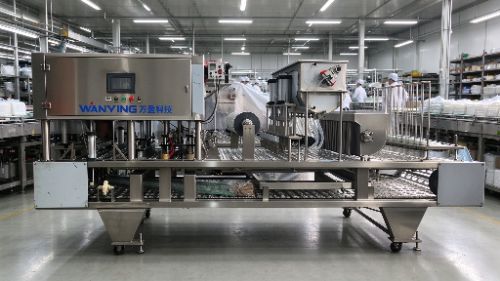
A seal bar can look stable on the controller and still lose enough heat between cycles to leave weak spots along the seam. The problem rarely announces itself. Instead, it shows up later as a bag that peels open in transit or a pouch that leaks after a few days on the shelf. Those short temperature dips, often lasting less than a second, sit right in the blind spot of standard readouts. Operators see an average that looks fine, while the actual surface temperature at the sealing edge keeps swinging low and high in tiny intervals.
Once those dips go unmeasured, maintenance turns into guesswork. The same film, same dwell time, and same pressure can produce different results across shifts because the thermal recovery speed has changed. Checking the bar only when a defect appears misses the pattern. Treating the seal zone as a continuous thermal event, rather than a single setpoint, makes it easier to catch the dips early and adjust heating or timing before the failures spread.
Changeover Speed Is Engineered into the Frame, Not the Training Manual
The quick-change geometry is baked into the base casting and rail system, so a setup that used to depend on a careful sequence now locks into detents and tapered guides. The operator is not recalling the next step from a binder; the frame itself stops the slide in the correct position, and the wrong orientation simply will not seat.
Most of the adjustments that used to require a wrench and a feeler gauge have been replaced by spring-loaded pins, preset stops, and color-coded clamp positions. That removes the silent variation between shifts: no more “tight enough” guesses, no more nudging a rail by eye, no more relying on the one person who knew the machine’s quirks.
As a result, a new operator can be brought up to speed in minutes, not days. The learning curve is shortened because the correct method is the easy method, and the frame quietly rejects the rest. Changeover time becomes repeatable and boring in the best way, with far less dependence on written instructions or tribal knowledge.
Nozzle Drip and Foaming Quietly Cap Your Daily Output
Most pump tops leave a small gift behind after each press: a thin trail of product that creeps down the bottle, collects under the cap, and turns into a sticky ring by the end of the week. Foam makes it harder to judge how much is actually coming out, so one squeeze feels generous and the next barely covers a palm. The result is a daily output that swings between too little and too much, with cleanup waiting right behind it.
This design pulls the nozzle back into a closed position with a short, quiet motion, which stops the usual drip before it has a chance to form. The foaming action is kept compact at the opening, so the amount stays consistent instead of puffing up in uneven bursts. Because the moving parts seat tightly without a hard snap, the sound stays low enough not to echo through a bathroom or kitchen in the early hours.
Over repeated use, the bottle rim remains dry, the countertop needs fewer wipes, and the amount delivered per press feels predictable. That small change removes the guesswork from a routine task and keeps the area around the bottle cleaner without extra effort.
Sanitary Welds and Drainability Outrank Any Certificate on the Wall
A framed certificate tells you a piece of equipment passed an audit at some point. It does not tell you whether last night's rinse water is still sitting in a low pocket next to a rough weld. In hygienic processing, what matters is the surface the product actually touches and the path it takes when the system drains. Crevices, misaligned ferrules, and back-purged welds that turned gray and sugary can hold residue that no auditor's checklist will flush out for you.
A proper sanitary weld should be flush, smooth, and free of cracks, pits, or hanging beads. That usually means controlled penetration, an inert purge on the inside, and enough heat to tie the root in without cooking the surrounding metal. Drainability is just as unforgiving. Lines need to slope toward a low point, valves and tees need to be positioned so they empty, and dead legs have to be kept short enough that they do not act as a trap. If the geometry fights you, no amount of paperwork changes where the liquid pools.
Before you trust the plaque on the wall, ask for the weld log, look at the inside of the joints, and run water through the line to see where it lingers. A system that drains clean and has smooth, passivated welds will outperform a certified system with rough internals every time. The certificate may get you through an audit, but the weld quality and pitch are what keep a line safe between audits.
Demand Trial Runs Using Your Film, Your Product, Your Shift Conditions
A demonstration with stock film and a slowed-down line rarely tells you how the equipment will behave in your plant. Insist on running your actual film structure, gauge, slip level, and roll width. Even a small difference in stiffness or surface friction can change tracking, wrinkle formation, and seal consistency once the line reaches normal tension and speed.
The product matters just as much as the film. Have the supplier run the machine with your real item inside the package, not a convenient stand-in. Fill weight, headspace, sticky or dusty residues, and fragile edges all interact with forming, cutting, and sealing stations in ways that empty or dummy packs won’t reveal. If your product leaves dust behind or shifts during indexing, that should show up before the machine reaches your floor.
Equipment vendors often prefer to demo in a clean, quiet setting, but your production doesn’t run that way. Ask for at least one trial during the shift and with the operators who will actually run the line. Temperature swings, rushed changeovers, different skill levels, and the pressure of hitting real output targets expose weaknesses that a polished daytime demo hides. That is where realistic waste, downtime, and yield numbers come from.
FAQ
Start with the actual container and closure you plan to run. Dimensions, material stiffness, headspace requirements, and fill temperature will eliminate more machines than any spec sheet. If a supplier does not ask for samples early, that is usually a red flag.
It depends on the product. Free-flowing liquids with a piston or magnetic flow meter often hold ±0.5% or better, while foamy or chunky products may realistically fall within ±1–2%. Ask for accuracy figures on your own product, not water.
Start semi-automatic if volumes are below roughly 500 to 1,000 containers per hour or if the formula is still changing. A fully automatic line only pays back when the process is stable enough to keep it running for full shifts.
Match the seal to the closure and shelf-life target. Induction sealing suits foil-lined caps, heat sealing works well for trays and cups, and pressure-sensitive lidding fits many dairy and condiment formats. Do not let a supplier force one method across all SKUs.
For brands running multiple SKUs, changeover time often matters more than top speed. Look for tool-free adjustments, recipe storage, and clearly marked wear parts. A machine that changes over in 15 minutes can outperform a faster machine that takes two hours.
Ask for a preventive maintenance schedule with intervals for seals, nozzles, chains, and pneumatic components. Also check whether spare parts are common industrial components or proprietary. Better access to the fill zone and sealing head reduces routine downtime.
Request the machine’s qualification documents, material certificates, and any test reports. For regulated products, confirm whether the supplier can support IQ/OQ and provide a traceable calibration record for critical sensors and filling systems.
Choose custom only when the container, product, or required throughput cannot be handled by a proven standard platform. Custom builds often bring longer lead times and higher validation burden, so justify the extra complexity with a clear capacity or packaging constraint.
Conclusion
Buyers evaluating an OEM filling and sealing machine often start by comparing pump types, but fill accuracy has more to do with how the product behaves under pressure—whether it bridges, aerates, or shifts viscosity as the tank level drops. A gear pump that looks precise on paper can overfill a foamy detergent once entrained air reaches the nozzles. Sealing has a similar blind spot: heat dips across the bar often go unmeasured, so weak seals appear only after cases are stacked or shipped. Changeover time is another area where the frame matters more than operator skill. If guarding, rail adjustments, and manifold placement force extra steps between runs, even a well-trained crew cannot recover the lost minutes.
Small losses like nozzle drip after each cycle or foam accumulation in the fill path quietly cap daily output long before anyone notices the missing cases. Sanitary design also deserves closer scrutiny than a certificate on the wall. Look at weld smoothness, pitch, and whether the frame drains completely after washdown; contamination tends to collect where rinse water lingers. Above all, demand a trial run with your own film, your actual product, and the temperature and humidity of your production shift. A demo under ideal conditions can hide exactly the problems your operators will face on a difficult changeover.
Contact Us
Contact Person: Tyson
Email: [email protected]
Tel/WhatsApp: +8613396971296
Website: https://www.wanyingmachinery.com