

Photobiomodulation Therapy Options: Which One Delivers the Best Results?
2026-07-19
Photobiomodulation therapy is revolutionizing how we approach healing, but with so many devices flooding the market, it's easy to feel lost. From handheld wands to full-body panels, each promises transformative results—yet not all deliver. At GUANG TAI, we've seen firsthand what separates a genuine solution from a gimmick. So, which option truly works best for you? Let's cut through the noise and uncover the science-backed choices that make a real difference.
What Exactly Is Photobiomodulation Therapy?
Photobiomodulation therapy, often shortened to PBM, might sound like something straight out of a sci-fi novel, but it’s actually a fascinating area of modern medicine that uses light to trigger healing within the body. Unlike high-powered lasers that cut or burn tissue, PBM relies on low-level light—typically in the red and near-infrared spectrum—to gently stimulate cells. This non-invasive approach doesn’t generate heat; instead, it delivers photons that are absorbed by mitochondria, the tiny power plants inside our cells, revving up their energy production. The result is a cascade of biological effects, from reduced inflammation to faster tissue repair, that can help with everything from chronic pain to skin rejuvenation. It’s still a bit under the radar in mainstream healthcare, but its roots trace back decades, and a growing body of research is shining a brighter spotlight on just how versatile this light-based therapy can be.
What makes photobiomodulation particularly intriguing is how it mirrors a process our bodies already know. Think of it as a nudge to the system, much like the way sunlight fuels vitamin D synthesis. When specific wavelengths of light penetrate the skin, they interact with cytochrome c oxidase, a key enzyme in the mitochondrial respiratory chain, temporarily boosting ATP output and setting off a ripple effect that improves blood flow, modulates oxidative stress, and even alters gene expression. This isn’t about quick fixes—for many, the benefits accumulate over multiple sessions, whether it’s easing arthritic knees, calming an overactive immune response, or helping neurons reconnect after injury. Yet, the therapy isn’t magic; its success hinges on precise parameters like dosage, wavelength, and treatment frequency, which is why home-use gadgets often fall short compared to professional devices. As scientists decode more of its mechanisms, PBM is stepping out of the shadows and into clinics, offering a drug-free option that feels more like a gentle recalibration than a clinical intervention.
Peeling back the layers, photobiomodulation therapy challenges the way we typically think about light and health. It’s not merely about illumination—it’s a conversation between photons and cells that has evolved over eons. Early experiments with lasers in the 1960s hinted at its potential, but the field really took off once researchers realized that cheaper, safer LEDs could achieve similar results without the risk of burning. Today, you’ll find PBM woven into sports medicine, dermatology, and even neurology, with studies exploring its role in conditions like traumatic brain injury and depression. The beauty of it lies in its subtlety; it doesn’t force the body into a state of repair but rather coaxes it along natural pathways. For anyone wary of pharmaceuticals or invasive procedures, this therapy represents a quiet revolution—one that’s gaining traction not through hype, but through the steady accumulation of evidence and patient stories.
Laser vs. LED: Which Light Source Really Works?
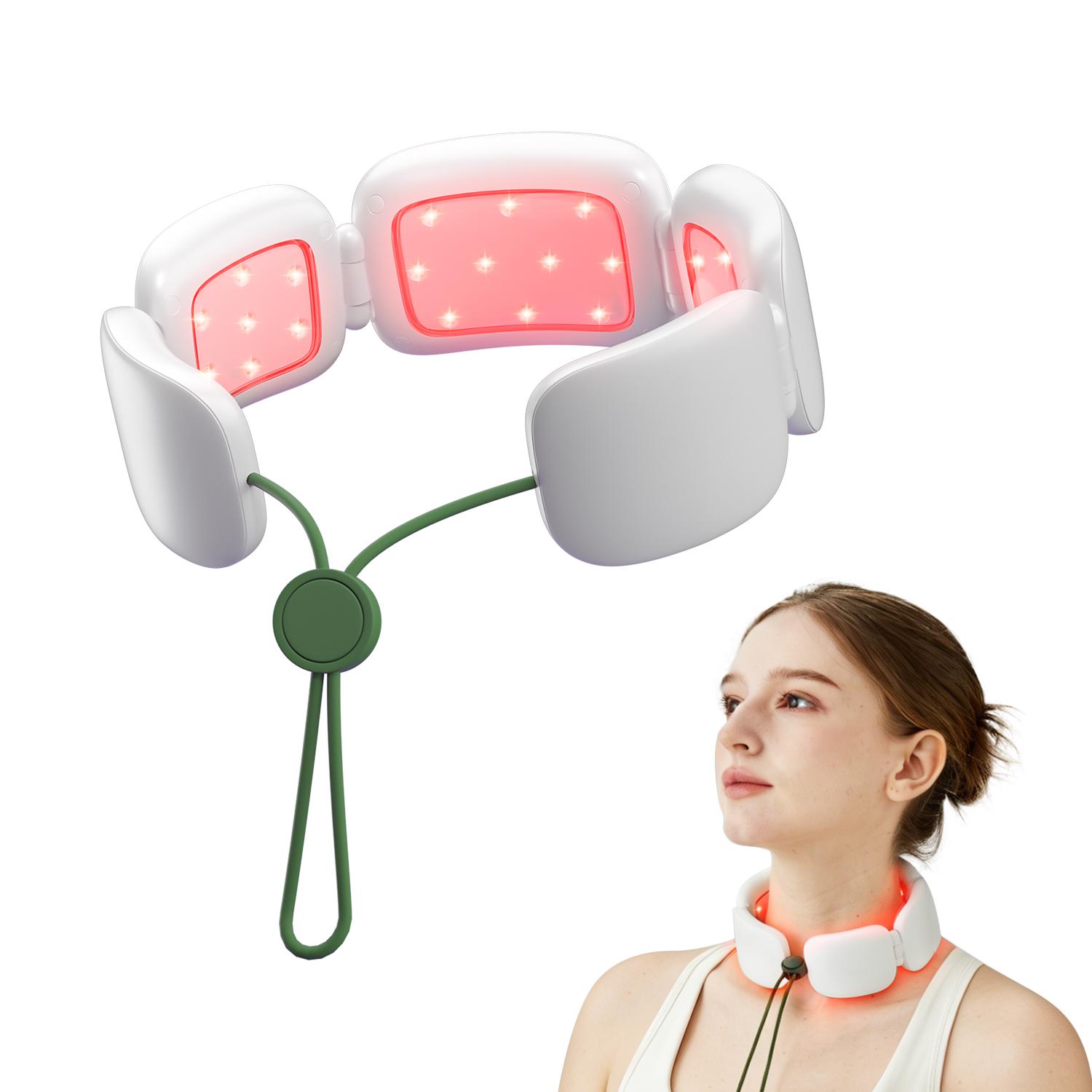
If you're trying to decide between a laser and an LED light source, the answer isn't as clear-cut as you might hope. Lasers deliver a highly concentrated beam that stays tight over long distances, making them indispensable for precision work like microscopy or long-range illumination. LEDs, on the other hand, flood a wider area with diffused light, which is gentler on the eyes and more practical for everyday environments like classrooms or retail displays. The real question is what you need the light to actually do—because each technology has its own sweet spot.
Many people assume lasers are always brighter, but that's only part of the story. A high-power LED can easily outshine a low-end laser when measured in lumens, yet the laser's narrow beam creates a far higher intensity at a single point. This makes lasers feel piercingly bright even when their total output is modest. For applications where you need to see a spot from across a stadium or excite fluorescence in a lab sample, that focused punch is what counts. LED brightness tends to drop off quickly with distance, so they're less effective for those tasks despite their impressive specs.
Cost and longevity add another layer to the decision. LEDs generally win on lifespan, often rated for tens of thousands of hours, and they're cheaper to manufacture and replace. Lasers require more delicate optics and precise alignment, which drives up both the initial cost and the complexity of maintenance. Still, in specialized scenarios—like industrial alignment or architectural mapping—the superior performance of a laser justifies the extra expense. Weighing these factors against your specific demands will tell you which light source truly works for your situation.
The Wavelength Debate: What Science Says About Optimal Healing
Not all light is created equal when it comes to healing. The core of the wavelength debate lies in how deeply different parts of the spectrum penetrate biological tissue. Red light, hovering around 630–660 nanometers, is absorbed mostly by the skin's surface layers, which makes it effective for collagen stimulation and wound healing. Near-infrared light, ranging from 810 to 850 nanometers, slips past the skin to reach muscles, joints, and even bone. This deeper reach is believed to enhance mitochondrial function and reduce oxidative stress in tissues that light at shorter wavelengths simply can’t touch. The choice between these bands isn’t theoretical—it can mean the difference between soothing a surface scar or easing chronic joint pain.
Research has consistently pointed to two key absorption peaks: one for cytochrome c oxidase, a mitochondrial enzyme central to energy production, around 660 nm, and another near 830 nm that may activate different cellular pathways. Some studies suggest that a combination of these wavelengths yields better results than either alone, because they trigger complementary mechanisms—one accelerating cellular repair at the surface, the other reducing inflammation deeper down. Yet the debate persists because not all devices deliver these wavelengths with the same power density or dosage. A 660 nm panel with low irradiance won’t do what a focused 830 nm laser can, making it difficult to compare outcomes across studies. That’s why scientists keep circling back to the fundamental question: is there an “optimal” wavelength, or does the target tissue and condition ultimately dictate the choice?
If you look beyond the lab, the practical implications become even muddier. At-home light therapy gadgets often mix red and near-infrared LEDs hoping to cover all bases, but the lack of standardization in dose and wavelength purity muddies real-world results. Some clinicians argue that wavelength specificity matters less than overall dose and treatment consistency, while others point to cellular studies showing that even a 10-nanometer shift can alter the biological response. The science isn’t settled, and that uncertainty leaves both practitioners and consumers navigating a field where marketing claims frequently outpace the evidence. Understanding the nuances of wavelength can help cut through the noise, but it also reveals how much we still have to learn about light’s full potential in healing.
Treatment Plans That Actually Deliver Results
Real treatment plans don’t just look good on paper—they move the needle. We start by identifying the core obstacles holding you back, whether that’s outdated habits, unclear goals, or inconsistent follow-through. From there, we craft a roadmap that breaks big ambitions into daily, manageable actions. No fluff, no one-size-fits-all checklists—just a clear sequence of steps that align with your actual life and capacity. If a strategy doesn’t serve your progress, we pivot quickly, keeping momentum alive instead of clinging to a plan that’s no longer working.
The secret isn’t more effort; it’s smarter architecture. Every recommendation is backed by real-world testing, not just theory. We track what works and what doesn’t, refining the approach until the results speak for themselves. This means you’ll spend less time wondering if you’re on the right track and more time seeing tangible shifts—in your energy, your output, or whatever metric matters most to you. Those small wins compound, and before you know it, the changes become second nature.
What truly sets these plans apart is the built-in accountability and adaptation. You’re never left to figure things out alone when the unexpected hits. Regular check-ins and dynamic adjustments ensure that the plan evolves with you, not against you. It’s a partnership, not a prescription—one that respects your individuality while pushing you forward. Because when a treatment plan actually delivers results, it doesn’t just solve a problem; it transforms how you approach everything that follows.
The Real-World Benefits Users Are Raving About
One of the first things people notice is the sheer amount of time they get back. Tasks that used to eat up entire afternoons now wrap up before lunch. A small business owner mentioned they finally stopped missing family dinners because their invoicing and follow-ups became almost automatic. It’s not just about speed—it’s about reclaiming hours you didn’t realize you were losing.
Then there’s the quiet confidence that comes from knowing nothing slips through the cracks. Several users described that moment when they suddenly didn’t dread opening their inbox in the morning. The mental load lifts because reminders, sorting, and prioritization happen in the background. One parent juggling remote work and homeschooling said it felt like having a personal assistant who never sleeps, and for the first time in years, they ended the week without a stress headache.
Beyond productivity, people keep talking about how it surprisingly improved their relationships. With fewer late-night catch-up sessions at the computer, they’re more present. A freelance designer shared that their clients actually commented on how proactive the communication had become—leading to more referrals. It’s these ripple effects that make the investment feel less like a tool and more like a lifestyle upgrade.
Cost vs. Effectiveness: Where Should You Invest?
When evaluating business spending, it's tempting to focus solely on maximizing effectiveness, but the smartest investments balance cost with long-term value. Many companies overlook that cheaper solutions often lead to hidden expenses down the line, while premium options may exceed immediate budget constraints without proportional returns. The key is identifying areas where a moderate increase in spending significantly boosts outcomes, particularly in customer experience and operational efficiency.
A common mistake is treating all investments equally. For instance, marketing channels that directly drive revenue deserve a different cost-effectiveness analysis than back-office software. Start by mapping each expense to its actual impact: does a higher-cost vendor genuinely deliver measurably better results, or are you paying for brand prestige? Real-world data, not just intuition, should drive these decisions. Run small-scale tests before committing large budgets to avoid costly missteps.
Ultimately, the most successful companies aren't the ones that spend the most or the least—they're the ones that allocate resources strategically. They continuously reassess their investments, cutting underperforming costs ruthlessly while doubling down on high-ROI activities. This dynamic approach ensures that every dollar works toward sustainable growth rather than temporary gains. By prioritizing flexibility and measurement, you can pivot quickly when market conditions change.
FAQ
LED devices emit non-coherent light over a broader area, ideal for surface-level skin treatments and larger muscle groups, while laser devices provide coherent, focused beams that penetrate deeper tissues, suited for targeted pain relief and joint issues. Both work, but the choice depends on whether you need wide coverage or deep, precise treatment.
Wavelength determines how deeply light penetrates tissue. Red light (630–670 nm) is absorbed superficially, great for skin rejuvenation and wound healing. Near-infrared light (810–850 nm) reaches deeper into muscles and joints, reducing inflammation and pain. The best results often come from devices offering multiple wavelengths to address different layers simultaneously.
Yes, daily use is generally safe when following guidelines. Overuse might cause temporary mild fatigue or skin warmth, but serious side effects are rare. It's more about consistency—short, frequent sessions tend to yield better cumulative effects than occasional long exposures.
Individual factors like age, overall health, skin tone, and the specific condition being treated play a huge role. Also, device quality matters: higher irradiance (power density) and proper contact with the skin ensure more photons reach the target area, speeding up cellular response and recovery.
Handheld devices are great for localized pain or spot treatments but can't match the efficiency of a large panel when dealing with systemic problems like widespread inflammation or mood disorders. A panel delivers light to the whole body at once, triggering broader systemic benefits, while a handheld requires you to treat each area separately.
Continuous wave provides a steady stream of light energy, which is straightforward and effective for most applications. Pulsed light, on the other hand, might help reduce heat buildup and has been linked to enhanced cellular signaling in some studies. Many users prefer pulsed for acute pain, but both modes can deliver good results depending on the protocol.
Focus on proven wavelengths (red and near-infrared), sufficient power density (at least 50–100 mW/cm²), and a design that matches your needs—whether it's a flexible wrap, rigid panel, or portable unit. Third-party testing and transparent specifications are more telling than marketing claims. Comfort and ease of use also matter because you'll stick with it longer.
Conclusion
Photobiomodulation therapy, often shortened to PBM, harnesses specific wavelengths of light to stimulate cellular repair and reduce inflammation. We're not talking about just any light—it's the precise red and near-infrared spectrum that penetrates tissue and kick-starts mitochondrial function. The debate between laser and LED light sources often confuses newcomers; lasers offer coherent, focused beams ideal for deep-tissue targeting in clinical settings, while LEDs spread a broader, gentler glow better suited for larger areas and at-home consistency. Science leans heavily on wavelengths ranging from 630 to 850 nanometers, with studies showing 660nm and 810nm as sweet spots for skin rejuvenation and pain relief respectively. What really matters, though, is not just the source or the wavelength alone, but how they're woven into a practical treatment routine.
Real-world enthusiasts aren't shy about their results: faster muscle recovery, visibly smoother skin, and chronic pain that finally eases without pills. These benefits, however, hinge on disciplined treatment plans—often 10-20 minute sessions, 3-5 times weekly—and device quality directly ties to outcomes. On the cost front, clinical lasers can charge $100+ per session while high-end LED panels run $500-$2000 upfront. The sweet spot for most people emerges as a combination: using a well-calibrated LED device at home for maintenance, and occasional professional laser treatments for stubborn issues. Neither lasers nor LEDs universally dominate; the therapy that outperforms rests on matching the right light parameters to your specific goal, and sticking to it.
Contact Us
Contact Person: Leon Yi
Email: [email protected]
Tel/WhatsApp: +86 17363316873
Website: https://zzgt.en.alibaba.com/