

PPGI Factory Best Practices for High-Quality Pre-Painted Steel Coils
2026-11-02
The flashiest color on a pre-painted steel coil won't save a roof that starts peeling in two years. What actually separates durable PPGI from cheap lookalikes is a set of unglamorous factory practices—proper pretreatment, tight coating tolerances, and consistent curing. At LANYUN, these practices aren't optional; they're the baseline. Here's a closer look at the production standards that keep high-quality PPGI performing long after installation.
What Your Steel Supplier Won't Tell You About Surface Prep
Most suppliers will hand you a spec sheet and promise their steel is ready to weld. What they leave out is that mill scale, rust, and invisible residues don't care about spec sheets. A quick wipe with a rag won't remove the tightly bonded oxides that cause porosity and lack of fusion. You need to know what actually sits on that surface before you strike an arc.
Shot blasting and grinding are often treated as interchangeable, but they leave different profiles. A coarse grit might give you the anchor pattern you want, yet it can also embed abrasive particles that later show up as pinholes. The real trick is matching your prep method to the coating or welding process you plan to use—something no supplier will walk you through because it adds liability to their advice.
Temperature and humidity shift how fast a freshly cleaned surface re-oxidizes. If you blast steel in the morning and weld in the afternoon, you may already be fighting a thin flash rust layer. Test a small area with a white glove or wipe a solvent-soaked rag across the surface. The residue tells you more than any certificate ever will.
The Pretreatment Step Most Factories Underestimate
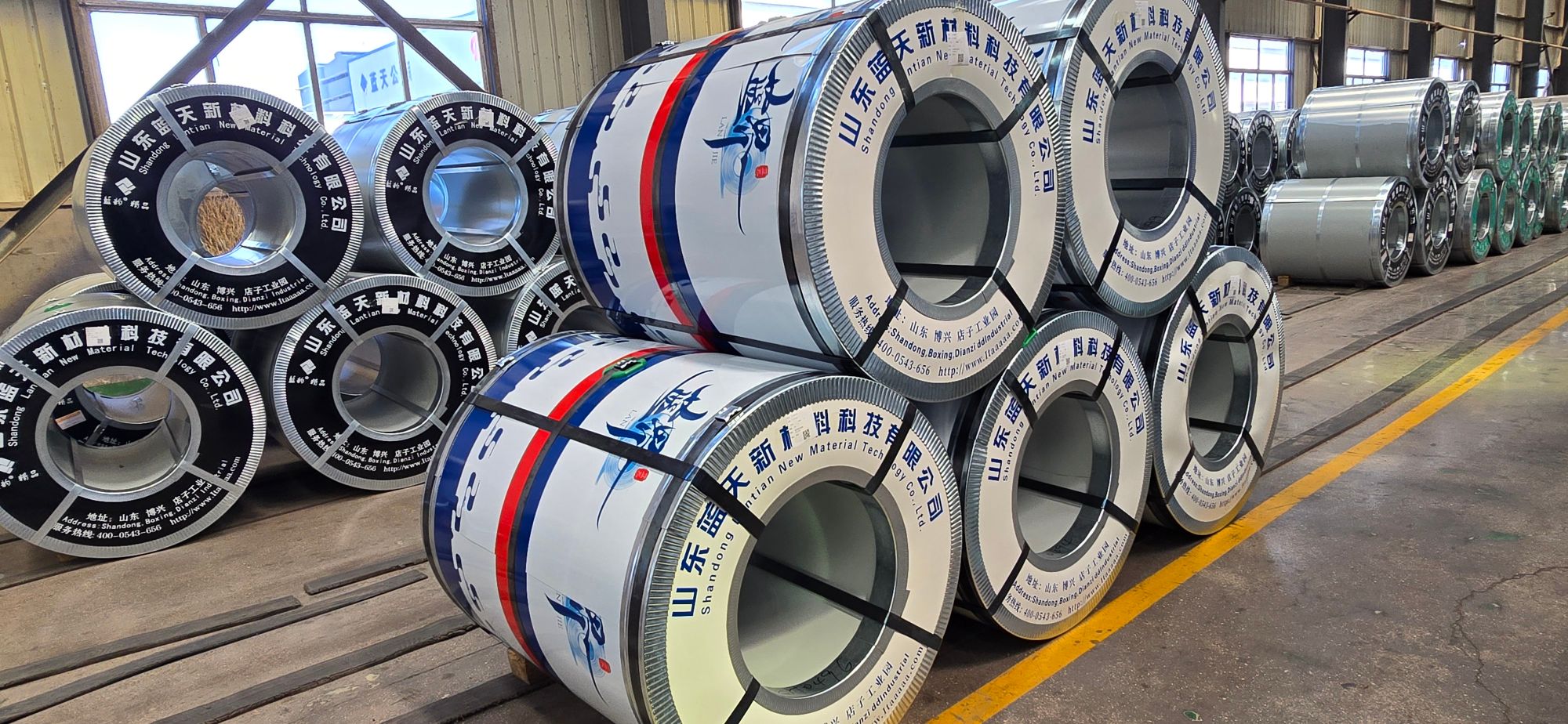
Walk into most metalworking plants and you'll see careful attention paid to coating thickness, curing temperatures, and spray patterns. Yet the stage that often decides whether the final finish will hold up—or fail within months—is the one given the least thought: the pretreatment bath. It's easy to skip over because it happens before the paint goes on, but contaminants like oils, rust, and mill scale don't just disappear with a rinse. If the surface isn't truly clean and properly converted, every downstream layer is built on a weak foundation.
The issue isn't always neglect—many operators run the pretreatment line exactly as it was set up years ago, assuming the chemistry and timing still match today's parts. But alloys change, incoming grime varies by supplier, and water quality shifts seasonally. What worked last quarter may leave invisible residues now, leading to poor adhesion, blistering, or early corrosion. The fix is rarely a bigger bath or longer soak; it's consistent testing and small adjustments based on actual surface tension readings and titration results, not just eyeballing the rinse water.
Moreover, the most underestimated step is often the rinse between stages. Factories that perfectly control their cleaner and phosphate tanks will let the rinse water become contaminated, effectively reapplying the very soils they just removed. A quick conductivity check can reveal when rinse water is carrying too much dissolved solids. Investing in simple monitoring—and training operators to understand why a clean, well-rinsed, properly converted surface matters more than any topcoat brand—turns pretreatment from a forgotten corner into the quiet reason your paint job lasts a decade instead of two years.
Balancing Line Speed and Cure Time Without Burning Edges
Finding the sweet spot between moving a coating line fast enough to meet production targets and giving the material enough dwell time in the oven is a constant tug-of-war. If the line crawls, the edges of a panel soak up heat long before the center does, creating that telltale darkened rim. Push the line too hard and you get an under-cured middle while the edges are already toasted. Most operators learn this the hard way, tweaking one variable at a time until the scrap bin stops filling up.
One trick that rarely makes it into the manuals is to stage your heat zones unevenly. Instead of a flat temperature profile, front-load the oven with a hotter burst to kick the cure reaction into gear, then drop the temperature for the final third of the tunnel. This lets the center catch up without forcing the edges to sit in blistering air any longer than necessary. Pair that with a slight line speed increase and you can often hit full cure while keeping edge discoloration to a dull whisper.
Infrared pre-heaters or edge-masking strips are another quiet fix. By shielding the outermost half-inch of a panel during the first heat zone, you give the middle a head start before the edges ever see serious temperature. Then, when the mask comes off or the panel moves past the IR array, the whole surface reaches cure temperature almost simultaneously. It feels counterintuitive at first—slowing down the edges to speed up the line—but once you measure the cross-panel hardness and see the color hold steady, the logic clicks into place.
Why Same Batch Color Matching Still Fails Sometimes
Even when you pull from the exact same production batch, color can shift on the wall or product. One overlooked culprit is metamerism—two samples that match under store lighting can look completely different in daylight or warm indoor bulbs. Same batch doesn't mean same lightfastness or pigment distribution after application, especially if the container wasn't thoroughly stirred or sat for weeks before use.
Application variables matter just as much. Thicker coats, different roller nap lengths, substrate porosity, and drying conditions all alter how pigments sit and reflect light. A factory batch is mixed under controlled shear, but once it's opened and used in a humid room or applied over a different primer, the same color can develop a slightly different cast.
Don't forget how the eye and instruments disagree. A spectrophotometer might say delta E is under 0.5, but your client sees a mismatch because gloss level or texture changed. Same batch color matching fails when we treat the can label as a guarantee rather than a starting point—real-world factors don't care about batch numbers.
Using Real-Time Thickness Data to Cut Coating Waste
Coating thickness is usually managed after the fact—samples get measured, adjustments are made, and the line has already burned through a batch of material. Real-time thickness data flips that sequence. Operators see deposition build-up as it happens on a live map of the part, so they can dial back spray pressure or speed up a pass before over-application becomes waste. It is less about catching defects and more about never creating them.
On a busy finishing line, even a small reduction in film thickness variance translates into fewer gallons of paint, powder, or adhesive per shift. Some plants have cut material consumption by double digits simply by setting upper-limit alerts tied to instant thickness readings. When a zone approaches the target range, the system warns the sprayer to move on instead of adding another covering pass. That spare pass was never necessary; it was just insurance against thin spots that could have been verified seconds earlier.
The real savings show up when thickness data feeds back into the spray controls rather than sitting on a dashboard. Closed-loop adjustment trims flow rate, atomization air, or robot speed automatically as the measured film grows. It removes the habit of overcompensating for inconsistent substrates or operator style. With less excess coating going onto parts, there is also less overspray to capture, less solvent to reclaim, and lower disposal cost—waste reduction becomes a byproduct of tighter process control, not a separate initiative.
Protecting Coil Edges During Long-Haul Shipping
Steel coils are unforgiving cargo. Their edges chew through straps, dent trailer floors, and leave a trail of damage if you don't treat them with respect before the first mile. The real work starts with understanding that a coil is not a solid block — it's a rolled spring waiting to shift. When you cover the edges with formed plastic or rubber channel guards, you're not just adding padding; you're creating a load-bearing surface that distributes pressure across the contact zone instead of letting the sharp rim bite into whatever it touches.
A lot of shippers make the mistake of relying on wood dunnage alone. Timber splits, shifts with moisture, and after three days on a vibrating flatbed it's often reduced to splinters that offer zero edge protection. What holds up are dense polyurethane edge strips, cut slightly longer than the coil width and secured with high-tensile banding that runs through the eye rather than over the outer wrap. Those little details matter — a strap tightened over the unprotected edge can shear through in a few hundred miles of highway harmonics.
Before the trailer ever moves, walk the coil and look for any spot where the edge can contact a hard surface: the floor, the side rails, another coil, even the chocks. Then double up at those points. Some of the best-protected loads I've seen use a combination of rubber belting under the coil and angle-iron edge caps on top, with the whole unit lashed diagonally so lateral motion gets eaten by the cushioning instead of the steel. Long-haul is about endurance, not just the first tight turn out of the yard.
FAQ
Alkaline cleaning followed by a conversion coating rarely gets the attention it deserves. Factories that skip daily titration of the degreasing bath or ignore the pH drift end up with uneven zinc phosphate or nano-ceramic layers. This causes edge creep and poor adhesion under the topcoat even when the oven profile is perfect.
A topcoat of 18 to 22 microns is common for exterior profiles, but the real discipline is holding that range across the full strip width. Backcoat can run 7 to 10 microns. Operators who chase the mean instead of controlling variance avoid thin spots at the crown and excessive edge build-up.
Set the peak metal temperature to 204 to 232 degrees Celsius for most polyester systems, but ramp-up speed matters more than the final number. A slow heat-up in the first zone lets solvents escape gradually, while a steep spike traps them under a cured skin and causes pinholes.
A crosshatch tape pull on a cooled sample taken right after the quench gives a fast warning. Factories that rely only on lab salt spray often miss contamination from coater roll pickup or primer undercure until the coil is already in a customer's warehouse.
Keep the temper mill pass schedule consistent and measure roughness every coil change. Large spangle peaks can telegraph through the primer, so a quick surface profile check with a portable profilometer lets the line adjust roll pressure before coating instead of waiting for visual ripples.
Doctor blade edge inspection and roll gap verification at every color change. A worn blade or a 5 micron drift in the metering gap shifts film thickness enough to push the colour reading outside a ΔE of 1.5, even when the paint batch is identical.
Take readings at five fixed points: both edges, quarter points, and centre. A single centreline reading hides edge-to-edge drift caused by uneven roll pressure or oven airflow. Recording the spread, not just the average, reveals problems before the shade card comparison fails.
Split the cure test into three zones instead of relying on one final hardness check. Run a solvent rub and a pencil hardness test on samples from the middle of the coil where oven temperature often dips. If those pass, the line can increase speed by 2 to 3 metres per minute without sacrificing durability.
Conclusion
Surface preparation is where many coil coating operations quietly lose quality, and suppliers rarely volunteer the full story. The steel must be absolutely free of mill scale, oils, and invisible oxides before any pretreatment chemistry goes on; otherwise adhesion suffers weeks later after the coil is already formed and installed. Most factories underestimate the pretreatment step itself—rinsing, pH control, and conversion coating weight are frequently rushed to keep the line moving. But skipping or shortening these stages only shows up as premature delamination or edge creep in the field. Then there is the constant tug-of-war between line speed and cure time. Running too fast leaves the coating under-cured and soft at the center, while the thin edges over-bake and turn brittle. The best operators monitor strip temperature across the full width and adjust induction or oven zones independently rather than trusting a single setpoint.
Color matching from the same batch can still drift because pigment dispersion, film thickness, and peak metal temperature all shift subtly between coils. A slight change in coating viscosity or a ten-degree difference in cure changes the final shade enough for a customer to reject it. Real-time dry film thickness gauges, scanning across the strip, let operators trim coating application on the fly and cut waste without sacrificing hiding power. Finally, coils headed overseas need more than a plastic wrap. Edge protectors, vapor-phase inhibitors, and proper coil orientation inside the container prevent moisture wicking and mechanical damage during long-haul shipping—small details that separate a supplier who understands the entire journey from one who only cares about the line exit.
Contact Us
Contact Person: Nia
Email: [email protected]
Tel/WhatsApp: +86 18954360337
Website: https://www.sdppgi.com