

Printed Faux Rabbit Fur Carpet Recommendations for Cozy Home Decor
2026-09-03
Nothing transforms a living space quite like the right floor covering—especially one that invites you to sink your toes in after a long day. Printed faux rabbit fur carpets are having a moment, blending the plush comfort of real fur (without the ethical baggage) with playful patterns that breathe life into any room. If you're hunting for that perfect balance of cozy and chic, you're in the right place. At Senseco, we've rounded up our top picks that prove you don't have to sacrifice style for softness. Ready to give your home the warm upgrade it deserves?
The Cozy Appeal of Printed Faux Rabbit Fur: More Than Just a Pretty Layer
The softness hits you first. Printed faux rabbit fur takes that plush, sink-your-fingers-in texture and gives it a visual twist—leopard spots, blurred animal stripes, or painterly florals break up the fluff and keep it from reading as a solid wall of beige. It’s cozy in the way a well-worn blanket is, but the pattern adds a layer of personality that plain faux fur often skips.
There’s a practical upside to the print too. Because printed versions usually have a shorter, denser pile, they tend to shed less than longer, shaggier faux fur. You get the warmth and softness without leaving a trail of fuzz on your jeans or couch. Patterns also hide everyday wear better, so a jacket or throw doesn’t look tired after a few weeks of regular use.
Styling becomes less of a puzzle as well. A leopard-print faux rabbit fur coat thrown over a simple black turtleneck still feels like a complete outfit, while a floral printed throw adds color to a neutral room without fighting other textures. It’s not just a pretty layer—it’s a low-effort way to make cold-weather dressing and home spaces feel more considered.
Pattern Play: Matching Printed Fur Rugs to Your Existing Decor
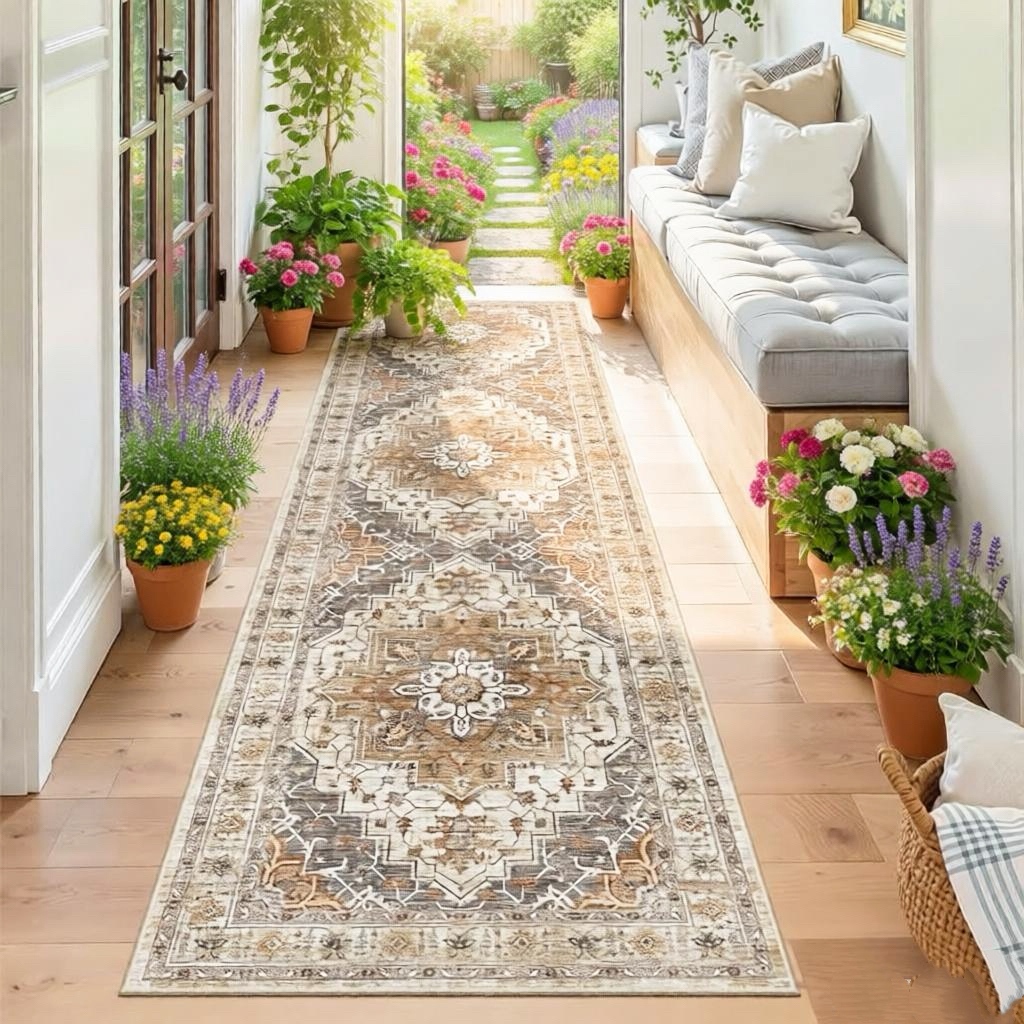
A printed fur rug doesn't have to shout for attention. Start by pulling one or two accent colors from your existing pillows, curtains, or wall art, then look for a rug pattern that echoes those tones. Even a busy animal print can feel intentional when its palette shares a common thread with the room.
Mixing patterns works best when scales differ. If your sofa sports a tight geometric weave, choose a rug with a larger, looser organic motif. This contrast creates rhythm without competing. Keep the rug's dominant hue close to your floor or furniture to ground the space, while letting the printed fur add texture and a touch of the unexpected.
Don't be afraid to let the rug be the room's quiet anchor. Pair it with solid-colored throws or a simple leather chair so the pattern can breathe. A printed fur rug often looks most at home when it's not surrounded by too many other bold statements, giving your existing decor room to shine alongside it.
Budget-Friendly Finds: How to Spot Quality Without the Markup
Most people assume a low price tag means corners were cut, but that's not always the case. The trick is learning to look past the label and check a few physical details. On clothing and bags, flip the item inside out and examine the stitching. Tight, even seams with no loose threads often indicate better construction than a fancy brand name. For leather goods, genuine full-grain or top-grain leather feels supple and shows natural grain, while bonded or faux leather tends to feel plasticky and stiff. Metal zippers from brands like YKK are a quiet sign of quality, even on inexpensive items.
The same logic applies to home goods and furniture. Solid wood drawers with dovetail joints will outlast particleboard ones with glued corners, and you can usually spot the difference by pulling a drawer out and checking the sides. Stoneware or porcelain dishes resist chipping better than thin earthenware, and heavier glassware often means it was annealed properly. Don't overlook less glamorous sources, either. Restaurant supply stores, thrift shops, and small-batch makers who skip big advertising budgets often sell the same or better quality for a fraction of the price. Buying off-season—coats in spring, patio furniture in fall—also helps you avoid the markup without sacrificing durability.
Finally, be wary of anything that feels too trendy or carries a loud logo. Those details often drive the price up without improving function. Instead, focus on classic shapes and neutral colors you'll actually use for years. Touch the fabric, smell the material, and trust your instincts. A good return policy is also part of the equation: if a store lets you take something home and live with it for a while, they're usually confident it won't fall apart. Over time, you'll develop an eye for the quiet signals of quality, and your wallet will thank you.
Easy Upkeep Tricks for Keeping Faux Rabbit Fur Fluffy and Fresh
Give the fur a quick shake and a gentle brush with a wide-tooth comb or a soft-bristle pet brush after each wear. Work in the direction of the fibers to lift flattened spots and release trapped dust. This simple routine keeps the pile from matting and brings back that just-bought bounce without any water or soap.
For small stains or odor, skip the washing machine. Mix a few drops of mild detergent with cool water, dab the spot with a clean cloth, then blot with a dry towel. Let it air-dry away from direct heat, and once it's fully dry, fluff the area lightly with your fingers. To refresh the whole piece, spritz it with a mix of one part white vinegar to three parts water, then hang it in a breezy spot for a couple of hours.
When storing, avoid folding the fur under heavy items. Use a breathable garment bag or a cotton pillowcase instead of plastic, which traps moisture and leads to a musty smell. Toss in a cedar block or a small sachet of dried lavender to keep it smelling clean between wears.
Small Room, Big Warmth: Using Printed Fur Carpets in Tight Spaces
A cramped room tends to feel either cluttered or sterile, and the floor is usually the first place that betrays the chill. Laying down a printed fur carpet shifts the balance immediately. Instead of echoing bare tiles or cold laminate, it invites your feet to slow down, and the printed texture adds just enough visual movement to stop the space from feeling flat. In a tight footprint, the key is to choose a pattern that repeats at a smaller scale, something that reads as cozy rather than busy. You get the plush softness underfoot without the rug demanding to be the room's only focal point.
Placement matters more than size here. Slide the edge of the carpet under the front legs of a sofa or the side of a bed, leaving a visible border that draws the eye across the floor and makes the room feel wider than it is. A printed fur piece also works beautifully in a narrow reading nook or beside a desk, marking off a miniature comfort zone. Pick a palette that borrows from your walls or cushions, even if the print itself is bold, so the room wraps around you instead of breaking into competing zones. The warmth ends up being both physical and visual, which is exactly what a small room needs to feel like more than just a pass-through.
What to Know Before You Buy: Thickness, Backing, and Realistic Feel
Thickness alone won't tell you much if you ignore pile density. A 40mm blade can look sparse and flatten quickly while a 30mm turf with tight stitching feels fuller underfoot. For high-traffic areas, aim for a total weight above 2kg per square metre and check how many stitches the manufacturer lists per 10cm — anything under 14 tends to show wear faster.
Backing is where cheaper rolls cut corners. Single-layer latex backings tear during installation and let moisture pool underneath. Look for a double-layer backing with a perforated secondary layer; it drains faster and holds the tufts in place when kids or pets yank at the edges. If you can fold a sample without visible cracking, it's a good sign.
Realistic feel depends on more than colour. Blades that mix olive green, apple green, and a brown thatch layer mimic the uneven tones of real grass. Run your hand against the pile — it should spring back without leaving a flattened trail. For a softer touch, check the yarn shape: C-shaped or W-shaped fibres resist crushing better than flat blades, especially in direct sun.
FAQ
Focus on the backing material and pile density. A low-pile printed fur feels plush without shedding excessively, and a non-slip cotton or felt backing keeps it from sliding on hardwood. For bedrooms, pick patterns with muted tones so the print doesn't overwhelm the space.
Shake it outside first to loosen dust, then use a handheld vacuum with a soft brush attachment on low suction. Spot clean with a mix of cold water and mild wool soap, dabbing gently. Avoid rubbing the printed areas or using heat, which can fade the dyes and mat the fibers.
They can work, but keep expectations realistic. Faux rabbit fur is softer and less resilient than woven rugs, so place it in a spot where people mostly walk barefoot or sit. If you want it in a busy living room, add a rug pad underneath and choose a shorter pile to reduce matting.
Earthy prints like faded botanical motifs, animal spots in taupe, or abstract watercolor streaks in rust and cream add warmth without visual noise. Avoid neon or high-contrast geometrics if you want a relaxed feel—soft, blended patterns read as cozier and hide everyday marks better.
Yes, but opt for one with a short, dense pile and Oeko-Tex certification if possible. Look for water-based prints rather than heavy dyes. Keep it away from the crib for safety and choose a machine-washable style if you can find one—kids will spill, and faux fur hides stains less than you'd expect.
Give the pile a gentle brush with a wide-tooth plastic comb or a pet slicker brush after vacuuming. Store it rolled, not folded, and rotate it every few weeks if it gets sunlight. A steam-free fabric refresher spray can lift the fibers between deep cleans.
Measure the area where your chair or floor cushion sits and add at least 18 inches on each side so the chair legs stay fully on the rug. A 4x6 foot or 5x7 foot size usually fits a single armchair and small side table without crowding the corner.
Not especially. Pet claws can snag the soft fibers, and printed areas show claw marks more than solid colors. If you have a calm older cat or dog, a short-pile version with a darker print can be okay. Use a washable rug pad and keep a lint roller nearby.
Conclusion
When the temperature drops and hardwood floors start feeling less inviting, a printed faux rabbit fur carpet changes the whole mood of a room. Its fluffy surface offers that sink-your-toes-in softness, while the printed patterns give you an easy way to introduce personality without committing to permanent changes. The appeal goes beyond looks: a well-chosen print can tie together mismatched furniture or make a rented space feel intentionally styled. To match what you already own, pull one or two accent colors from the rug and repeat them in throw pillows or a nearby blanket. If your furniture is mostly neutral, a bold geometric or faded vintage print adds just enough friction to keep the room from feeling flat. On a budget, don't assume a higher price means better quality. Run your fingers through the fibers to check for density and bounce-back, flip the rug over to see if the backing feels sturdy and non-slip, and look for a realistic sheen rather than a plastic gloss.
Keeping that plush look alive takes less effort than you might think. A quick shake outdoors once a week removes dust, and a gentle vacuum with the brush roll off prevents the fibers from matting. For small spaces, these carpets do double duty: a runner beside the bed or a round print under a reading chair can make a tight corner feel warmer and more intentional. Before you buy, pay attention to thickness. A denser pile feels richer but may be harder to clean, while a shorter pile is easier for high-traffic areas. Check the backing material too; a soft felt or suede-like backing protects floors, whereas a stiff plastic one can scratch over time. Finally, trust your hands. The most realistic faux rabbit fur should feel silky and slightly dense, not slippery or overly uniform. If it passes the touch test and suits your room's palette, you've likely found a piece that will keep your home feeling cozy all season.
Contact Us
Contact Person: Ivy Yin
Email: [email protected]
Tel/WhatsApp: +86 18519681805
Website: https://www.sensecomarketing.com/