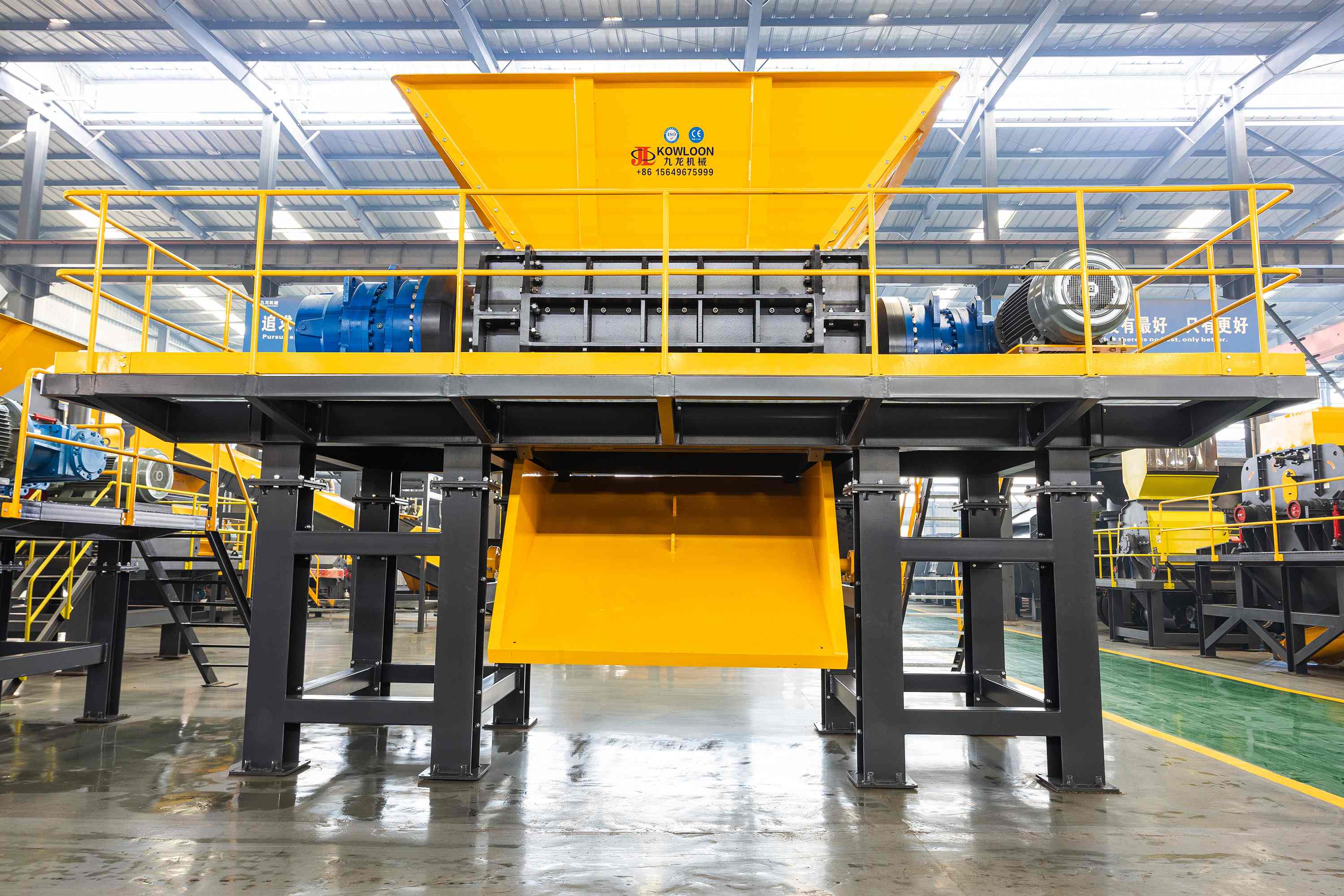

Recycling Tires Sustainably: Transforming Waste into Eco-Friendly Products
2026-04-06
Imagine a world where discarded tires—those rubber relics of our daily commutes—no longer pile up in landfills. Instead, they find new life as eco-friendly products, from playground surfaces to durable road materials. This isn't just a vision for the future; it's a reality being shaped by innovative recycling methods. At Kowloon Machinery, we're at the forefront of this transformation, turning waste into valuable resources. In this blog, we'll explore how sustainable tire recycling works and why it matters—not only for the planet but for creating a circular economy. Discover the surprising ways old tires can be reborn, and see how cutting-edge technology is making it happen. Ready to dive in?
Innovative Tire Recycling: From Waste to Resource
Each year, millions of tires are discarded globally, piling up in landfills or sites where they become environmental hazards—breeding grounds for pests and fire risks. But the tide is turning: innovative tire recycling is transforming this waste into valuable resources, rather than letting it linger as pollution. By shredding, grinding, and processing old tires, companies are extracting materials like rubber crumb and steel wire, which then find new life in diverse applications. This shift not only cuts down on waste but also reduces the need for virgin raw materials, paving the way for a more circular economy that benefits both industry and the planet.
Beyond basic recycling, recent advancements are pushing the boundaries of what's possible. Rubber crumbs from tires are now being incorporated into playground surfaces, athletic tracks, and even road asphalt, where they enhance durability and provide shock absorption. Meanwhile, pyrolysis technology breaks down tires into oil, gas, and carbon black, all of which can be reused in manufacturing processes. These innovations highlight how creative problem-solving can turn a persistent waste issue into a source of sustainable products, driving economic growth while addressing environmental concerns head-on.
As global demand for sustainable solutions rises, tire recycling is evolving beyond niche efforts into a mainstream industry. Governments and businesses alike are investing in research to improve efficiency and expand applications, from using recycled rubber in footwear to creating eco-friendly construction materials. By viewing tires not as trash but as a resource, we're unlocking potential for cleaner communities and reduced carbon footprints—proving that with innovation, even the most stubborn waste can become a cornerstone of a greener future.
Eco-Friendly Products Made from Recycled Rubber
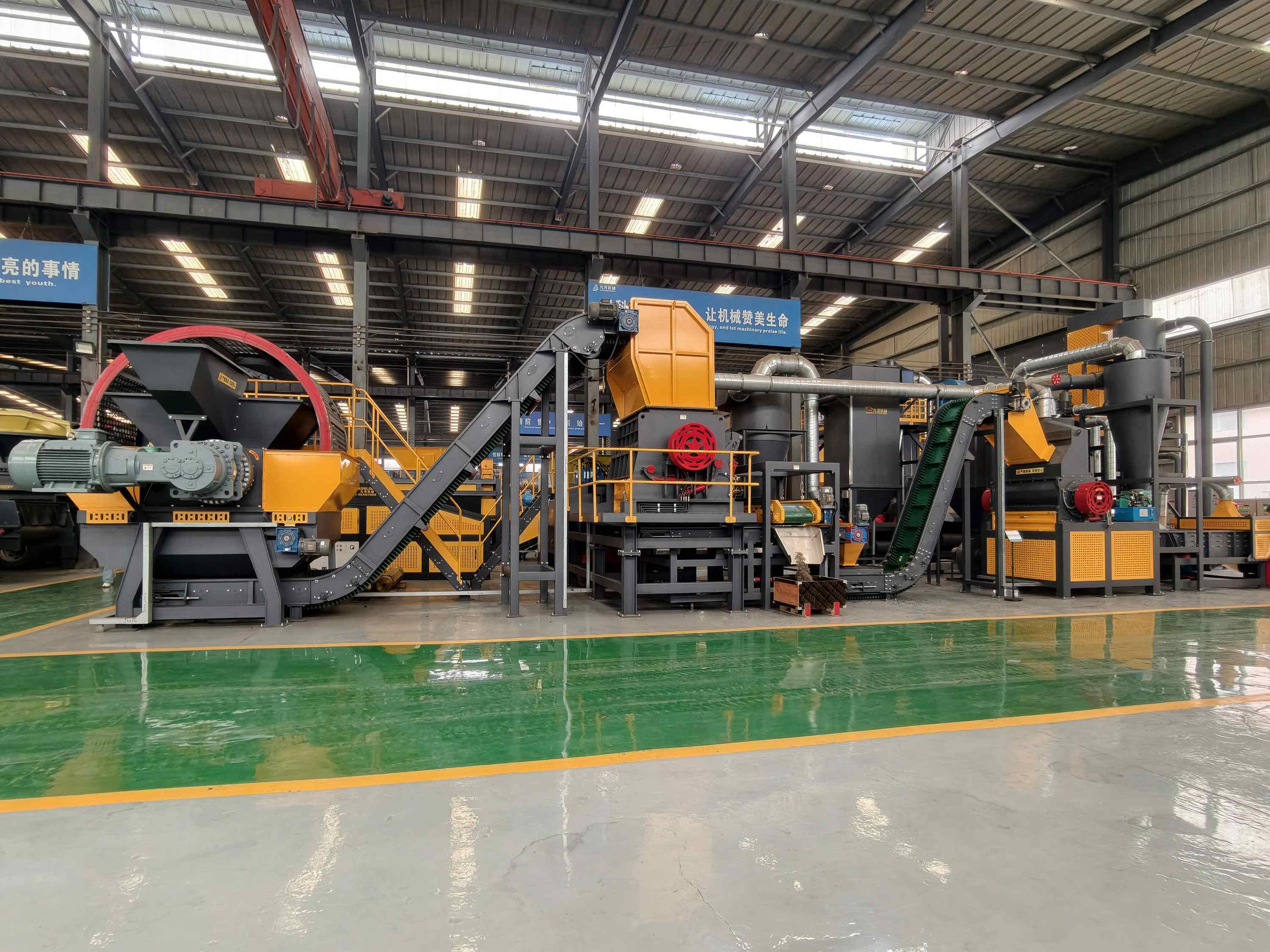
Transforming old tires and rubber scraps into practical, stylish items isn't just a trend; it's a meaningful step toward reducing waste in landfills and oceans. This creative reuse gives discarded materials a second life, helping to conserve resources and lessen our environmental footprint. From durable flooring to outdoor gear, these products prove that sustainability can seamlessly blend into our daily routines, offering functional solutions without compromising on quality or aesthetics. It's all about making smarter choices that benefit both people and the planet.
Imagine walking on a yoga mat or using a garden hose that once might have ended up as pollution. Recycled rubber items like these not only perform reliably but also tell a story of innovation and care. They often boast enhanced durability and weather-resistance, making them ideal for everything from home decor to industrial applications. By choosing such products, you're supporting a circular economy that prioritizes reuse over disposal, turning potential trash into treasures that last for years and reduce the need for new raw materials.
Beyond functionality, these eco-friendly options inspire a shift in how we view waste, showing that creativity can turn environmental challenges into opportunities. They come in various forms, from chic accessories to sturdy play surfaces, each designed with an eye for both utility and ecological impact. As more brands embrace this approach, it encourages a broader move toward sustainable living, demonstrating that small, conscious purchases can collectively make a big difference in preserving our world for future generations.
Sustainable Processes in Tire Transformation
Tire transformation is evolving beyond traditional recycling into a holistic approach that integrates environmental and economic sustainability. Innovations like pyrolysis and devulcanization are gaining traction, turning discarded tires into valuable resources such as fuel, rubber crumbs for playground surfaces, and even new tire components. These processes reduce landfill waste and cut down on the extraction of raw materials, aligning with circular economy principles that emphasize reuse over disposal.
What sets modern tire transformation apart is its focus on energy efficiency and reduced carbon footprints. Advanced technologies now enable lower-temperature processing and cleaner emissions, minimizing the environmental impact compared to earlier methods. For instance, some facilities use renewable energy sources to power their operations, further enhancing sustainability by cutting reliance on fossil fuels and promoting a greener lifecycle from scrap to product.
In practice, sustainable tire transformation involves collaboration across industries, from automotive manufacturers to construction firms, to create closed-loop systems. By prioritizing innovation in material recovery and waste reduction, this field is not just solving an environmental challenge but also driving economic growth through job creation and new market opportunities for recycled materials.
Environmental Benefits of Tire Upcycling
Tire upcycling transforms discarded tires into new, valuable products, offering significant environmental advantages. By repurposing these materials, we divert them from landfills and incinerators, reducing waste accumulation and minimizing harmful emissions. This process conserves natural resources, as it decreases the demand for virgin rubber and other raw materials, contributing to a more sustainable cycle of use.
Beyond waste reduction, upcycling tires helps combat pollution in various ways. Old tires often leach toxic chemicals into soil and water when left to degrade, but converting them into items like playground surfaces or construction materials prevents such contamination. Additionally, this approach can lower energy consumption compared to producing new goods from scratch, further mitigating the carbon footprint associated with manufacturing.
Moreover, tire upcycling fosters innovation and supports eco-friendly industries, encouraging a shift towards a circular economy. By finding creative uses for waste tires, we not only protect ecosystems but also inspire sustainable practices in communities worldwide, showcasing how everyday waste can be transformed into environmental assets.
Applications of Recycled Tire Materials in Everyday Life
When you walk through a park or playground these days, you might not realize you're treading on bits of old tires. Ground rubber from recycled tires has become a staple in creating soft, safe surfaces for recreational spaces. It provides excellent shock absorption that can reduce injuries from falls, making it ideal for children's play areas and sports fields. Beyond safety, this material is durable and weather-resistant, lasting longer than traditional options like wood chips or sand.
Around the home, recycled tire materials show up in some surprising places. Garden enthusiasts often use rubber mulch derived from tires to line flower beds and pathways. Unlike organic mulch, it doesn't decompose or attract pests, maintaining a neat appearance with minimal upkeep. Additionally, items like doormats, garden hoses, and even some types of outdoor furniture incorporate recycled rubber for its resilience and water resistance, adding a practical, eco-friendly touch to daily living.
On a larger scale, recycled tire materials contribute to infrastructure and transportation. In road construction, crumb rubber is mixed with asphalt to produce rubber-modified asphalt, which creates quieter, more durable roads that resist cracking in extreme temperatures. This not only extends the lifespan of roadways but also reduces noise pollution in urban areas. Similarly, rubber from tires is used in manufacturing speed bumps, railroad ties, and other traffic management products, showing how waste can be transformed into essential components for safer, more sustainable communities.
Future Trends in Sustainable Tire Recycling
The landscape of sustainable tire recycling is evolving rapidly, driven by cutting-edge technologies that are transforming discarded tires into high-value materials. Innovations like pyrolysis and devulcanization are gaining traction, allowing for the recovery of rubber, steel, and carbon black with minimal environmental impact. Companies are increasingly integrating these methods into circular economy models, where end-of-life tires are repurposed for applications in construction, automotive parts, and even as raw materials for new tires. This shift not only reduces landfill waste but also conserves natural resources, making it a key trend in the push toward greener industrial practices.
Another emerging trend is the development of advanced sorting and processing systems that use artificial intelligence and robotics to streamline recycling operations. These systems can efficiently separate tire components, increasing recovery rates and reducing labor costs. Additionally, there is a growing focus on creating more durable and recyclable tire designs from the outset, with manufacturers exploring bio-based materials and modular structures that are easier to disassemble. This proactive approach aims to minimize waste throughout the tire's lifecycle, aligning with global sustainability goals and fostering a more resilient recycling industry.
Furthermore, regulatory pressures and consumer demand are accelerating investments in tire recycling infrastructure worldwide. Governments are implementing stricter waste management policies, while companies are leveraging blockchain technology to enhance traceability in the supply chain. These efforts are supported by rising awareness about the environmental and economic benefits of sustainable practices, encouraging collaborations between recyclers, manufacturers, and research institutions. As these trends converge, the future of tire recycling looks poised for significant growth, offering scalable solutions that turn a persistent waste challenge into a valuable resource opportunity.
FAQ
Innovative companies have transformed old tires into rubber mulch for playgrounds, durable flooring for gyms, and even stylish fashion accessories like bags and shoes.
It reduces landfill waste, cuts down on pollution from tire burning, and conserves natural resources by reusing materials for new products.
Removing steel and fiber from tires can be tricky, but advanced shredding and separation techniques are making it more efficient.
Yes, crumb rubber from tires is mixed into asphalt for roads, creating more durable and weather-resistant surfaces.
By properly disposing of old tires at recycling centers or through tire retailers, individuals help support a circular economy.
Artists and designers have crafted furniture, garden planters, and even soundproofing materials, showcasing tires' versatility.
It lowers carbon emissions compared to producing new rubber, promotes resource efficiency, and supports green job creation in the recycling industry.
Conclusion
The innovative recycling of tires marks a significant shift from viewing them as waste to recognizing them as valuable resources. This transformation process not only addresses environmental concerns but also contributes to a circular economy by reusing materials that would otherwise end up in landfills. Through advanced technologies and sustainable practices, discarded tires are broken down and processed into various forms, paving the way for the creation of eco-friendly products. These efforts highlight how recycling can turn a global waste problem into an opportunity for resource conservation and innovation, emphasizing the importance of moving beyond traditional disposal methods.
Recycled rubber finds applications in everyday life, from durable playground surfaces and athletic tracks to landscaping mulch and construction materials, showcasing its versatility and environmental benefits. The upcycling of tires reduces greenhouse gas emissions and conserves natural resources, while future trends aim to enhance efficiency and expand product ranges. This sustainable approach not only mitigates pollution but also fosters economic growth through green industries, demonstrating that tire recycling is a key component in building a more eco-conscious and resilient society.
Contact Us
Contact Person: Ray
Email: [email protected]
Tel/WhatsApp: +86 13733817580
Website: https://www.zzkowloon.com/