
Reliable UV Digital Printer: The Ultimate Guide to Durable, High-Speed Printing Solutions
2026-06-14
As the demand for vibrant, long-lasting prints grows, businesses are turning to advanced UV digital printers that promise both speed and durability. But with so many options, finding a truly reliable solution is tough. This guide unpacks what sets high-performance UV printers apart, with a close look at how Danmajet is redefining the standard for dependable, high-speed printing that withstands the test of time.
Understanding UV Curing: The Secret to Instant Dry Prints
You know that satisfying moment when a print comes out of the machine already dry to the touch? That’s UV curing working its magic behind the scenes. Unlike traditional methods that rely on evaporation or absorption—often leaving you waiting impatiently—UV curing uses high-intensity ultraviolet light to trigger an instant chemical reaction. Inks, coatings, or adhesives specially formulated with photoinitiators harden in a split second, bonding directly onto the surface without any solvent to evaporate. It’s chemistry meeting convenience, and it changes the game for anyone who needs speed without sacrificing quality.
What makes it feel almost futuristic is how precisely it works. The UV light doesn’t just dry the top layer; it penetrates and solidifies the entire film at once, locking in vibrant colors and crisp details. For porous materials like paper or fabric, there’s no bleeding or feathering because the ink stays right where it’s placed and turns solid before it can spread. Even on tricky surfaces—think plastics, metal, or glass—the result is the same: a scratch-resistant, smudge-proof finish that looks as fresh as the moment it was printed. It’s the kind of reliability that makes you wonder why we ever settled for slower methods.
But the real secret isn’t just the speed—it’s the freedom it brings. Without the need for drying racks or heat tunnels, you can move straight to the next step in production, whether that’s cutting, folding, or packaging. That opens up possibilities for short runs, custom jobs, and same-day turnarounds that would be impossible with conventional drying. And because the process is so clean and energy-efficient, it’s quietly eco-friendly too, cutting out the volatile organic compounds that old-school solvent-based systems pump into the air. UV curing isn’t just about instant gratification; it’s about doing more with less, and making the printing process feel effortlessly modern.
How UV Printers Achieve Remarkable Speed Without Sacrificing Quality
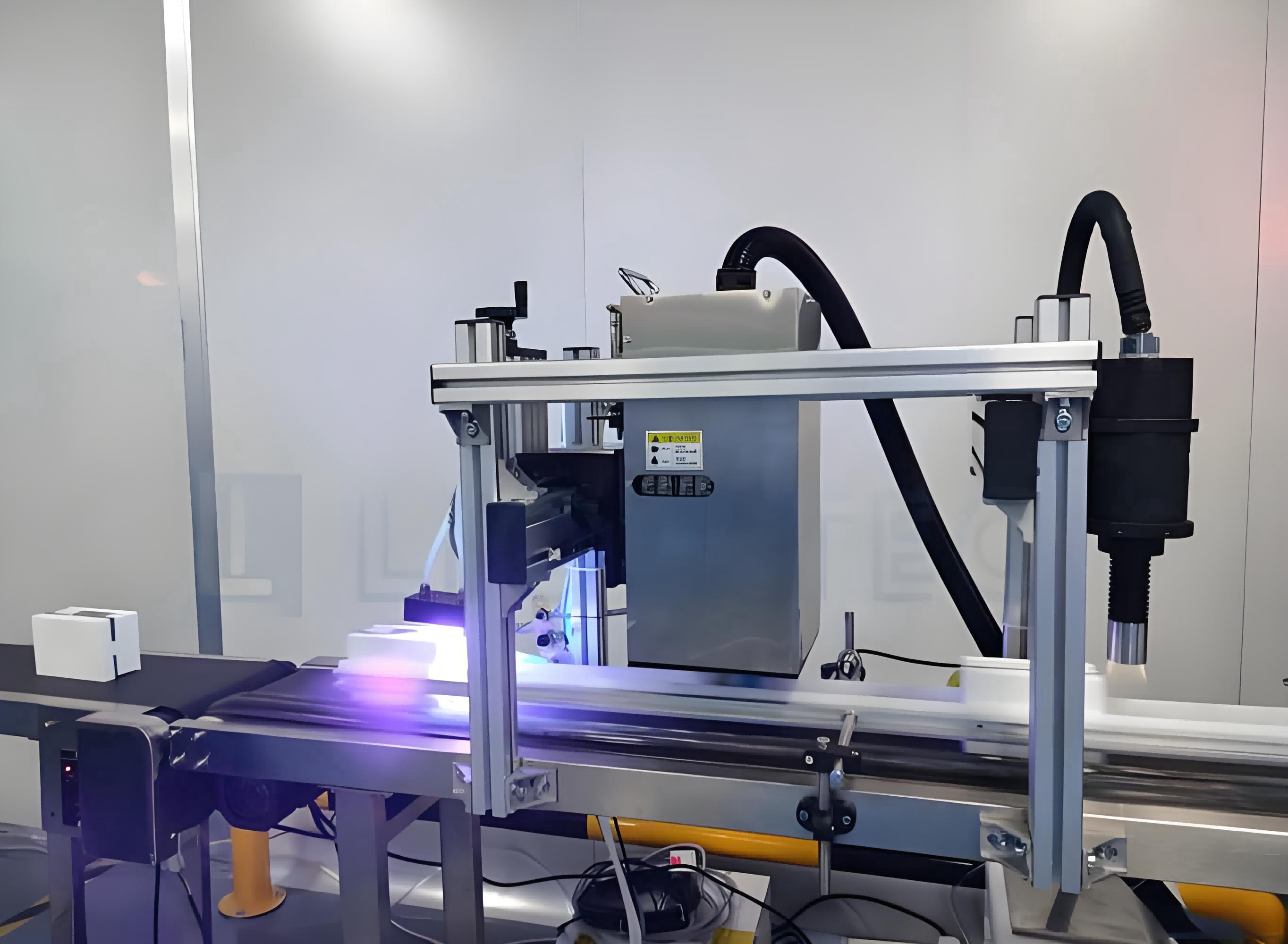
Speed in UV printing starts with the way the ink cures almost instantly. Unlike traditional methods that rely on evaporation or absorption, UV ink solidifies the moment it's exposed to the right wavelength of light. This means the print head can move at high velocities without worrying about wet ink smearing or bleeding. The absence of drying time between passes also allows for continuous, uninterrupted motion, drastically cutting down total production time. It’s a simple physics advantage: when the material doesn’t have to pause for ink to set, you can push the hardware much harder without introducing defects.
Another factor that often gets overlooked is how advanced firmware and sensor arrays work together to maintain precision at speed. High-end UV machines constantly monitor head height, substrate irregularity, and even vibration in real time, making micro-adjustments on the fly. This feedback loop ensures that even if the carriage is racing across the bed, droplet placement stays accurate and consistent. When you combine this with the ability to lay down incredibly thin, controlled layers, the system can achieve crisp edges and smooth gradients that would normally require slower, multi-pass strategies. It’s not just about moving fast—it’s about moving smart.
The ink formulation itself also plays a huge role. Modern UV inks are engineered with precisely tuned viscosity and surface tension so they jet reliably at high frequencies. They don’t clog easily, which keeps the nozzles firing correctly even during rapid-fire operation. Additionally, the chemical cross-linking that happens during curing builds a durable film that resists abrasion right away, so you can handle or finish prints immediately. This removes the bottleneck of post-cure waiting and lets the whole workflow maintain a brisk pace. Every element, from the light source to the ink chemistry, is optimized so that quality isn’t just preserved at high speed—it’s actually enabled by it.
Material Compatibility: From Rigid Boards to Flexible Films
Shifting from a thick, unbending substrate to a whisper-thin polymer foil shouldn’t mean rebuilding your entire workflow. True material compatibility means the same platform handles fiberglass-reinforced boards, heavy cardstock, and 0.1 mm PET with equal confidence—adjusting on the fly rather than demanding a complete mechanical overhaul.
Rigid materials rely on vacuum hold-downs and precision roller gaps to stay put under print heads or curing lamps. Flexible webs, by contrast, need active tension dancers and antistatic bars that coax out wrinkles without stretching the media. The trick lies in tooling that swaps contact points in seconds and software profiles that recall bespoke heat, speed, and pressure curves for each material family.
What ties it all together is a sensor-driven approach that reads surface texture and thickness in real time, tweaking parameters before a single droplet hits the wrong spot. The result is a line that can run aluminum composite panels in the morning and heat-sensitive shrink film after lunch—no trial runs or lost stock, just a quiet shift from rigid to flexible without missing a beat.
Maintenance Habits That Extend Your UV Printer’s Life
Let's be honest, no one enjoys cleaning ink spills or wiping down printheads after a long shift. But your UV printer's lifespan is quietly shaped by those small, consistent actions you take when nobody's watching. The real difference between a printer that chugs along for a decade and one that sputters after two years often comes down to how faithfully you stick to a simple daily wipe-down routine. Dust and cured ink fragments don't announce themselves—they accumulate slowly around the carriage and rails until friction becomes a major problem. A lint-free cloth and a manufacturer-approved solvent can do more for your machine than any expensive service contract ever will.
Then there's the matter of ink circulation and capping station hygiene, which many operators treat as an afterthought until clogs appear. White and metallic inks, in particular, love to settle and separate if left idle. If you're not manually agitating cartridges weekly or running a quick stir cycle before a Monday morning job, you're asking for density issues and lost print time. The capping station deserves equal attention—dried ink residue here can warp the seal, leading to air leaks and catastrophic printhead drying. A ten-minute inspection and gentle cleaning with a swab once a week can save you a $2,000 printhead replacement.
Finally, keep an eye on environmental factors that creep up unnoticed. UV printers are happiest around 22–26°C with moderate humidity, but seasonal changes can push your workspace outside that window. Condensation on cool mornings invites electrical gremlins, while excessive heat messes with ink viscosity. A basic temperature log and a small dehumidifier can shield your investment from slow, invisible damage that warranty doesn't cover.
Real-World Success: Businesses Winning with UV Digital Printing
A small gift shop in Portland transformed its business by adding UV-printed custom phone cases and laptop sleeves. Instead of stocking hundreds of pre-printed designs, they now produce on demand, allowing customers to choose from thousands of patterns or even upload their own images. The shop's revenue from personalized items jumped 60% within four months, and the ability to print directly onto wood, leather, and acrylic meant they could expand into home decor and corporate giveaways without additional inventory risk.
A mid-sized packaging firm in Düsseldorf used UV digital printing to tackle the growing demand for short-run, seasonal packaging. Previously, they turned away small clients because traditional flexo setups required huge minimum runs. Now they produce vibrant, crisp labels and folding cartons in quantities as low as 50, with same-day turnaround on proofs. This shift won them contracts with boutique wineries and artisanal food brands that value premium presentation, boosting their average margin per job by nearly 25%.
An interior design startup in Seoul leveraged UV digital printing on glass and metal to create bespoke kitchen backsplashes and wardrobe panels. Their edge came from printing high-resolution textures and metallic effects that mimic expensive materials, all while using standard substrates. Clients can preview designs digitally and get finished panels installed within a week—a process that used to take over a month with traditional silk-screening. The result: a 40% decrease in project lead time and a surge in referrals from architects tired of waiting for overseas suppliers.
What’s Next: Innovations Shaping the Future of UV Printing
Engineers are rethinking UV light sources entirely, moving beyond basic LED arrays to systems that use tunable, narrow-wavelength diodes. These can cure ink layers at depths previously impossible, making it feasible to print on heat-sensitive films, delicate fabrics, and even certain fresh food items without damaging the substrate. The precision also slashes energy consumption, a quiet but critical shift as manufacturing pushes toward leaner, greener operations.
The chemistry inside the ink cartridges is undergoing a quiet revolution. New photoinitiators are emerging that require less energy to activate and leave behind virtually no odor or migratory residues. This isn't just about faster curing; it's unlocking compliance with strict food-contact regulations and enabling packaging designs that were once off-limits. Simultaneously, ductile ink formulations are allowing UV graphics to stretch along with flexible substrates, creating durable prints on everything from yoga mats to car wraps.
On the factory floor, UV printing is becoming autonomous. Closed-loop feedback systems now read color and registration in real time, adjusting the print heads instantly—no more manual tweaks between batches. Pair that with robotic loading and inline quality validation, and you get a production cell that practically runs itself. The real game-changer? These systems are learning from each print run, building a dataset that predicts maintenance needs before they cause downtime.
FAQ
UV digital printing uses inks that cure instantly under ultraviolet light, forming a tough, cross-linked polymer bond on the material. This process makes prints resistant to fading, scratching, and moisture, so they stay vibrant on outdoor signage, vehicle wraps, and industrial labels without needing extra coatings.
You can print on almost anything rigid or flexible—acrylic, glass, wood, metal, foam board, PVC, canvas, and even unusual substrates like leather or ceramic tiles. The instant curing lets you decorate objects directly, expanding creative possibilities beyond traditional paper.
They integrate high-frequency printheads with fast-moving gantries and simultaneous curing lamps. As soon as droplets land, the ink is fixed, allowing layers to build up rapidly without bleeding. Advanced waveform control in the printhead electronics ensures precise dot placement at production speeds.
Look beyond specs—check the build quality of the gantry and linear guides, the reputation of the printhead manufacturer, and the availability of local service support. A machine with easily accessible spare parts and clear maintenance routines from the supplier is more likely to deliver consistent uptime.
Daily nozzle checks and gentle wipe-downs, weekly cleaning of the UV lamp filters, and monthly inspection of ink lines for air bubbles are essential. Using high-quality, manufacturer-approved ink prevents clogs, and keeping the printer in a dust-controlled, temperature-stable room extends its life significantly.
Absolutely. UV digital printing eliminates screen setup costs and delivers full-color, variable-data prints in minutes. For small batches of custom phone cases, promotional items, or prototype packaging, it's faster and more flexible, though screen printing may still win on extremely high-volume, single-design runs.
LED curing systems last far longer than traditional mercury lamps, turn on instantly without warm-up, and consume less power. They also emit little heat, so you can print on heat-sensitive materials like thin films or styrene without warping, while maintaining consistent curing intensity.
Conclusion
A UV digital printer that genuinely earns the label “reliable” doesn’t just move fast or cure ink instantly—it combines that speed with a rugged consistency that business owners can bank on day after day. The magic starts with UV curing: high-intensity lamps lock liquid ink into a solid state the moment it touches the substrate, eliminating smudging and wait times. This instant drying is what lets modern printers race through jobs without sacrificing edge definition or color saturation. But speed alone isn’t enough; the real workhorse thrives on material versatility. Whether you’re imaging on rigid corrugated boards, acrylic sheets, flexible vinyl, or heat-sensitive films, a well-engineered system adapts printhead height, lamp intensity, and ink adhesion on the fly. That flexibility opens doors to signage, packaging prototypes, promotional goods, and custom interior décor—all produced with reliable high-speed output.
Long-term reliability, however, rests on a few unglamorous maintenance rituals that smart shops never skip. Daily nozzle checks, careful white ink circulation, and regular lamp cleaning prevent the tiny clogs and curing drift that quietly degrade quality. In practice, companies that treat these habits as non-negotiable see drastically less downtime and far longer printhead life. Their real-world successes tell the story: a packaging studio halved its sample turnaround, a display fabricator started offering same-day custom panels, and a promotional products shop expanded into glass and metal—all because a dependable UV flow let them promise what others couldn’t. Looking ahead, the technology keeps pushing forward with LED curing that uses less energy and gentler heat, smarter AI-driven printhead alignment, and even inks that stretch and fold without cracking. Together, these innovations promise a future where “durable” and “high-speed” aren’t trade-offs but standard features of a truly reliable UV printer.
Contact Us
Contact Person: Jacky
Email: [email protected]
Tel/WhatsApp: 086 15000607053
Website: https://www.danmajet.com