

Split Butterfly Valve Factory: What to Inspect Before Placing a Bulk Order
2026-09-09
Placing a bulk order for split butterfly valves is not a decision you want to rush. A factory that looks great on paper can still cut corners on casting quality, seat material, or pressure testing—and you won’t find out until the valves are already in your pipeline. Before you commit to thousands of units, you need to know exactly what to inspect. At AVM, we’ve helped buyers avoid costly factory mistakes by focusing on the details that matter most. Here’s what to look for before you sign that purchase order.
Casting Shadows: Reading the Foundry Floor Before You Commit
A foundry floor rarely lies. Before you sign a purchase order or lock in a casting supplier, walk the floor and let the debris tell you what the polished quote won't. Look for uneven patches, water pooling near cooling lines, or a dusting of black sand that never quite gets reclaimed. Those small shadows point to maintenance habits and process discipline.
Spend ten minutes watching how patterns are moved and how cores are stored. If you see cracked flasks stacked near the pouring line or slag crusted on the floor around the furnace, that's not just housekeeping—it's a preview of the defects that will show up in your first shipment. Floor condition reflects how the crew handles molten metal when no one is auditing them.
Then compare what the floor says with the paperwork. A clean spec sheet means little if the pouring aisle suggests rushed heats or missing filters. Commit only when the observed reality lines up with the claimed capability; otherwise you are buying someone else's shadow, not a casting.
The Tolerance Test: How Tight Is Their Machining Really?
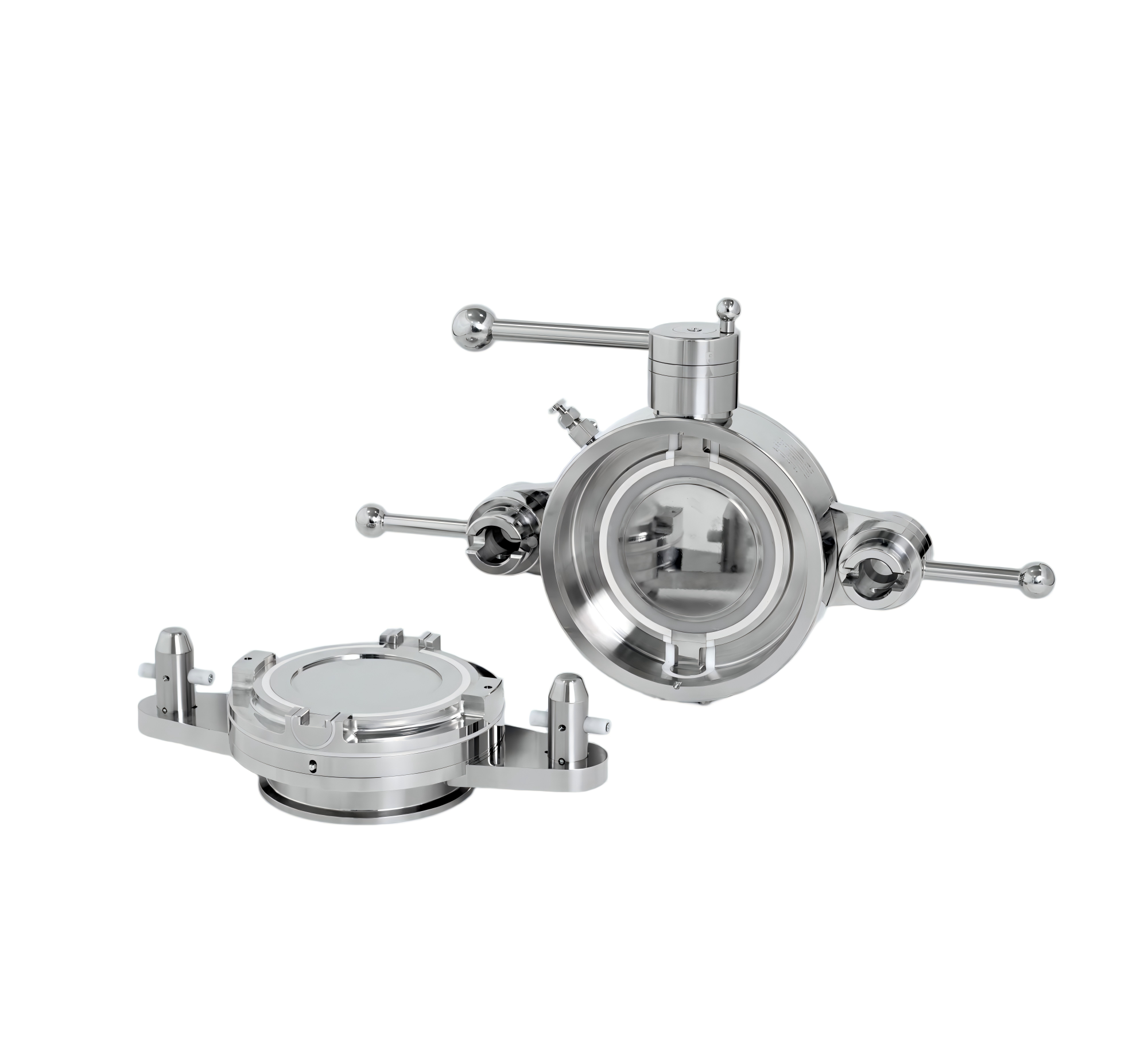
A drawing might say ±0.002 inches, but that number means very little until you see how a shop holds it across a full run. The real test isn't the first article off the machine — it's the fiftieth, cut after tool wear has set in and the coolant temperature has shifted a few degrees.
One quick way to cut through the marketing talk is to ask for dimensional data from a recent production batch, not a setup piece. Look at the spread between min and max values, and check whether the shop can produce Cpk numbers above 1.33 for features they claim are "no problem." A tight range on one axis might hide slop on another, especially if they only measure outside diameters and ignore hole positions.
It also helps to send a test part with a subtle challenge — a deep bore next to a thin wall, or a pair of holes that must line up within a few microns. Shops that genuinely hold tight tolerances will usually tell you which features gave them trouble and how they adjusted the process. Vague reassurances, on the other hand, tend to mean they've never actually checked.
Seals That Survive: Asking the Right Questions About Elastomers
Most seal failures trace back to a handful of overlooked questions long before the first leak appears. Instead of reaching for a familiar material like nitrile or Viton, engineers who ask how the elastomer will actually behave in the system tend to catch problems early. What is the full temperature range during startup, normal run, and shutdown? Is the fluid a simple hydrocarbon or a cocktail of additives, water, and trace acids that can attack the polymer backbone? These details matter more than a generic compatibility chart suggests.
Another area where assumptions creep in is mechanical motion. A static O-ring in a flange sees very different stresses than a dynamic seal on a reciprocating shaft. Compression set, abrasion resistance, and extrusion gap tolerance must be balanced against one another. For example, a perfluoroelastomer might handle aggressive chemicals beautifully, but if the gland design allows too much clearance, the seal can nibble and fail under pressure spikes. Asking whether the seal sees rotation, sliding, or just occasional thermal cycling changes the entire material shortlist.
Finally, the best elastomer choice is useless if manufacturing and installation introduce their own variables. Cure state, storage conditions, and even the type of lubricant used during assembly can shift the seal's performance. A practical approach is to test candidate materials in a fixture that replicates the real mating surfaces and operating cycles, rather than relying solely on datasheet values. When the right questions are asked up front, the seal survives not because it was expensive, but because it was chosen with a clear picture of the environment it actually lives in.
Beyond the Brochure: Verifying Pressure and Leakage Claims
A glossy brochure can promise almost anything, but real-world performance only shows up when you put the system under load. Start by requesting a witnessed test report rather than a standard datasheet. Many manufacturers will claim a certain pressure rating, yet the test conditions, duration, and acceptance criteria often remain vague. Ask for the full test procedure: was it a hydrostatic test, a pneumatic test, or just a factory spot check? The difference matters more than the final number printed on the cover.
Leakage claims deserve the same level of scrutiny. A statement like “zero leakage” sounds reassuring, but without defining the test medium, pressure differential, and allowable bubble rate, it is meaningless. In practice, even well-sealed components allow some microscopic permeation. Request a leakage curve or a decay test result under your actual operating temperature range. If the vendor hesitates to share raw test data, that hesitation tells you more than any marketing slogan.
Finally, verify with your own hands. Install a small batch under controlled conditions and run a pressure-hold test over a longer period than the brochure suggests. Check for pressure drop at the fittings, not just at the main body. Use a calibrated gauge and record ambient temperature swings, which can mask minor leaks. The goal is not to distrust every supplier, but to replace assumptions with evidence that survives contact with your actual application.
Bolt Holes and Backlogs: Uncovering Production Bottlenecks
The drill press in bay four has been running at full throttle since Tuesday, yet the backlog beside it keeps growing. Most of the parts waiting there share the same problem. The hole pattern drifted off-center during stamping. The operator can shim and re-clamp only so many times before the line behind him stalls. That queue of half-finished housings tells a clearer story than any production report.
The drilling itself takes maybe twenty seconds per piece. The waiting does not. Every rework cycle adds four minutes of unclamping, repositioning, and rechecking the runout. Mixed-model changeovers eat another chunk of the shift, especially when the old jig has to be swapped for a new bolt circle. None of this shows up as a machine failure, so it rarely gets the same attention as a broken spindle.
What finally exposed the bottleneck was a shift in what got measured. Instead of parts per hour, the supervisor began tracking hours lost to rework and wait time. That number pointed straight at the bolt hole station, but not because the drill was slow. It was absorbing variation from stamping that should have been caught earlier. Until upstream tolerances tighten, adding a second drill or forcing overtime only pushes the backlog further down the line.
After the Crate Leaves: What Their Warranty Actually Covers
Once the crate arrives at your door, the warranty clock starts ticking, but not every part of it gets the same protection. Many buyers assume the entire unit is covered for years, only to find that hinges, latches, and casters fall under a much shorter window—or none at all.
The fine print often separates structural damage from cosmetic wear. A cracked frame might be replaced under a limited lifetime warranty, while a scratched finish or faded panel is considered normal use and won't qualify. This distinction catches people off guard when they file a claim months later.
What's rarely advertised is how shipping damage is handled after the delivery driver pulls away. Some warranties require you to note damage on the delivery receipt within 48 hours, otherwise the claim is denied. If you didn't inspect the crate carefully at the curb, you could be left holding a broken product and a useless warranty.
FAQ
A worthwhile factory tour should confirm they handle the full machining sequence in-house, especially the split body halves and the disc edge profiling. Ask to see CNC lathes, horizontal boring mills, and a dedicated pressure testing bay. If they outsource casting or sealing components, that's not automatically a dealbreaker, but their incoming inspection records for those parts need to be detailed, not just a checklist with signatures.
Request process control data from the last three batches, not just finished product certificates. Look for in-process checks like body wall thickness measurements after machining, disc alignment verification before assembly, and seat compression tests. A factory that can walk you through a nonconformance report from the past year and explain the corrective action is usually more reliable than one that claims zero defects.
Ask for full material traceability from heat number to finished valve serial number, especially for cast bodies and the shaft. EN 10204 3.1 certificates are the practical minimum for pressure-containing parts. For elastomer seats or PTFE-lined versions, request batch cure dates and shelf life records; old rubber can pass a visual check but fail after a few thermal cycles.
Each valve should undergo shell strength testing at 1.5 times the rated working pressure and seat leakage testing in both directions, preferably with dry air for metal-seated versions and water for resilient-seated ones. Confirm they test the fully assembled split body, not just a sample, and ask whether the test bay has calibrated gauges with current certificates. A handwritten test log without date and signature is a warning sign.
Look at their current work-in-progress board and raw material inventory, not just the salesperson's promise. A factory that stocks common body castings and has multiple machining cells can usually absorb a 500-piece order without stalling other work. Ask for a realistic weekly output for your specific size and pressure class; if the number is round and too convenient, dig deeper into shift schedules and bottleneck operations.
Yes, and you should insist on samples that come from the actual production line, not a hand-built prototype. On the sample, verify the disc clears the seat without rubbing, the split joint alignment leaves no visible step, and the operator handle or gearbox mounts without interference. Then cut one sample open to check wall thickness uniformity and seat groove finish. The sample cost is small compared to a container of wrong valves.
A solid factory will put a minimum 18-month warranty from installation or 24 months from shipment in writing, covering body casting defects and seat blowout under rated conditions. Ask how they handle field complaints: do they send replacement parts first, or wait for the failed valve to be returned? The best ones keep a small stock of common trim kits and can ship within a week. Get the claims process and response time in the purchase order, not a separate brochure.
Check whether the valve disc is secured in a slightly open position for elastomer seats to prevent permanent compression set. Bodies should be wrapped to keep the flange faces clean and protected, and each valve should have a corrosion inhibitor applied to machined areas. Pallets with uneven weight distribution or missing wooden crates often mean the factory is cutting costs at the final step, which usually reflects deeper shortcuts.
Conclusion
Before committing to a large order of split butterfly valves, walk the foundry floor yourself and look past the polished sample valves. The raw castings tell you more than any datasheet—check for porosity, irregular wall thickness, or repaired areas that hint at inconsistent pouring. Then move to the machining area and ask how they hold bore and flange tolerances across a full run, not just on the first article. If the shop can’t show real inspection records with CMM data or surface finish logs, treat that silence as a red flag. Pay close attention to the O-ring grooves and seat pockets, because these surfaces determine whether the valve seals or leaks after a few thousand cycles.
Elastomer selection is another place where cheap shortcuts hide. Question the factory about specific compound grades, temperature limits, and whether the seals are tested against the media you actually handle. Don’t settle for generic “NBR” or “EPDM” answers—ask for batch certificates. Verify the pressure and leakage claims with a witnessed hydrostatic or pneumatic test, and make sure the test pressure matches the valve’s rated class rather than a lower shop standard. Also count the bolt holes and look at the drilling pattern; mismatched or poorly chamfered holes often signal rushed production or worn fixtures. Ask about current backlog and lead time per size, because a factory running late on small orders will not suddenly speed up for yours. Finally, read the warranty terms line by line—what happens after the crate leaves their dock matters more than the promises made during the sales call.
Contact Us
Contact Person: Ananda
Email: [email protected]
Tel/WhatsApp: 8619016718200
Website: https://www.wzaomi.com