
Stackable Metal Bin Solutions: ODM Company Delivers Durable & Space-Saving Storage
2026-07-04
Tired of clutter eating up your floor space? Stackable metal bins might just be the solution you didn’t know you needed. These workhorses are built tough, stack neatly to reclaim every inch, and handle everything from tools to parts with zero fuss. At Lanyuda, we’ve spent years perfecting ODM metal storage that actually holds up in real-world use—no flimsy materials or one-size-fits-all compromises. Get ready to dive into how clever design and solid engineering can transform your workspace into an organized, efficient hub.
Why Metal? Durability That Outpaces Plastic Alternatives
Think about the last time a plastic container cracked after a short drop, or a gear in a gadget wore down to a useless nub. Metal doesn’t play that game. Its internal structure—whether it’s the dense, uniform grain of stainless steel or the resilient flex of aluminum—absorbs shocks that would shatter most polymers. Heat, cold, and UV rays gradually break down plastics at a molecular level, making them brittle and discolored, while metal holds its integrity in scorching sun or sub-zero freezes without flinching.
There’s also a quiet cost to things that need constant replacing. A metal part might cost more upfront, but it won’t need to be babysat with careful handling or swapped out every year. In high-wear settings—door hinges, tool handles, appliance frames—the repeated stress that grinds plastic into dust barely leaves a mark on properly chosen metals. Over time, that reliability adds up to less waste, fewer replacements, and a sense of solidity you simply don't get from synthetic alternatives.
Our ODM Approach: No Templates, Just Your Specs
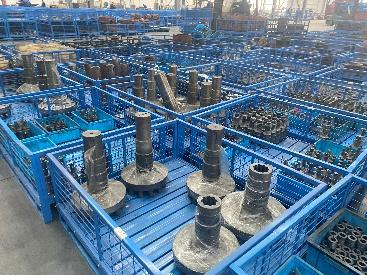
Every project begins with your vision, not our assumptions. Instead of forcing your idea into a pre-existing mold, we start from scratch based on your exact specifications. This means materials, dimensions, features—everything is tailored to your requirements without compromise.
You won’t find off-the-shelf limitations here. Our engineering team translates your concepts into detailed designs, iterating with you until every detail meets your standards. The result is a product that feels uniquely yours, because it was built for you from the ground up.
From prototype to production, the process stays flexible. Changes are accommodated quickly, without the rigidity of template-based systems. This approach not only delivers a better fit for your brand but also shortens time-to-market by eliminating time wasted on adapting generic solutions to your needs.
Vertical Stacking: Storing More in the Same Footprint
When floor space is tight, the only way to grow is up. Vertical stacking systems turn unused overhead room into valuable storage, effectively multiplying your capacity without expanding your building’s footprint. From mezzanines that create entire new levels to high-density pallet racks and automated retrieval towers, these solutions can triple or even quadruple your available square footage—all while keeping daily operations smooth and accessible.
The real advantage isn’t just the extra space—it’s how vertical stacking reorganizes your workflow. By bringing items closer together and reducing travel distances, you cut down on retrieval times and labor costs. Modern systems also integrate seamlessly with inventory software, so every stored item is tracked and reachable without climbing or hunting. This means faster order fulfillment and fewer bottlenecks, even during peak periods.
One overlooked benefit is how vertical stacking can improve safety and protect inventory. Instead of spreading goods across cluttered floors or stacking them precariously, dedicated vertical structures keep everything secure and off the ground. That reduces trip hazards, minimizes damage from accidental bumps, and can even improve ventilation and lighting. For businesses facing seasonal surges or long-term growth, it’s a practical way to future-proof storage without committing to a costly relocation.
Built for the Long Haul: Finishes and Thicknesses That Defy Wear
When everyday surfaces face constant use, the real test isn't how they look on day one but how they hold up after years of impact, moisture, and friction. That's why we engineer our finishes to bond at a molecular level, creating barriers that resist scratching, peeling, and chemical damage far longer than standard applications. From powder coatings that shrug off UV rays to electroplated layers that laugh at corrosion, these aren't just cosmetic touches—they're defensive systems designed for the long game.
Thickness gets talked about in raw numbers, but what matters is how that dimension translates into real-world toughness. A few extra millimeters of solid material can mean the difference between a surface that warps after months of heat cycling and one that stays dead flat. We use precision-calibrated substrates—engineered composites, heavy-gauge metals, compact laminates—paired with wear layers that maintain their integrity even when the environment turns hostile. It's not about overbuilding for bragging rights; it's about giving every piece the stamina to outlast expectations.
After years of field data, the pattern is clear: materials that combine intentional thickness with advanced finishing don't just survive—they develop a patina that tells a story of resilience. Edges stay sharp, coatings keep their depth, and the original texture remains readable under fingertips. That kind of longevity doesn't come from a single trick; it's woven into how we select base materials, how we layer protection, and how we test beyond industry norms. The result is a quiet confidence that the things we build will still be earning their place decades down the road.
Space Maximization: Designing Bins Around Your Workflow
Every workbench, shelf, and drawer in a shop tells a story of habit. Instead of forcing your tools and materials into generic containers, watch where your hands naturally go during a project. That pile of clamps that always ends up on the corner of the bench? Build a narrow, open-front bin right there. The odd-shaped offcuts you reach for every hour? A tilted tray with low sides keeps them visible without spilling. When bins are shaped by real movement, your workspace stops being a storage puzzle and becomes an extension of your rhythm.
Standard bin sizes force you to adapt, but custom compartments let you ignore the friction. Look at the flow of waste, too—if shavings always fall to the left of your vise, a slim catch bin mounted underneath catches them before they hit the floor. For parts that travel together, like sanding blocks and matching grits, create a divided drawer insert whose sections mirror the order you use them. It's less about maximizing cubic inches and more about removing the tiny, repeated decisions that eat up time. Once you start cutting dividers to fit your actual spread of tools, you'll wonder why you ever settled for off-the-shelf.
Vertical spaces often hide the easiest gains. A shallow wall-hung bin just below eye level can hold frequently grabbed items that normally wander across horizontal surfaces. Angled bottoms tip contents forward so nothing gets lost in the back. Use the dead air above a bench for clear-lidded boxes that display what's inside without opening them. The goal isn't to cram more in—it's to make what you already own accessible in the fewest moves, so you never have to pause to search.
A Look Inside: How a Major Logistics Firm Cut Storage Costs
When the operations team at TitanFreight realized their Midwest distribution center was hemorrhaging nearly $2.8 million annually in excess storage fees, they knew a quick fix wouldn’t cut it. The facility, a sprawling 480,000-square-foot hub, was holding 22% more inventory than its design capacity, with pallets stacked haphazardly in aisles and seasonal goods spilling into loading zones. Leadership tasked their supply chain analysts with a blunt mandate: slash storage overhead by 30% within six months without sacrificing fulfillment speed.
The breakthrough came from data that had been hiding in plain sight. By layering SKU velocity analytics over heatmaps of the warehouse floor, the team identified that 40% of the high-bay racking was occupied by items that hadn’t moved in over 90 days. They shifted to a dynamic slotting model, compressing fast-moving goods into gold zones near pack stations and auctioning off slow-turn inventory to discount retailers at cost. Simultaneously, they renegotiated the lease to shed 60,000 square feet of underused annex space, converting a fixed annual liability into a variable just-in-time overflow agreement with a nearby third-party depot. The shake-up wasn’t painless—forklift drivers grumbled about the new pick paths—but within four months, storage costs had dropped by 34%, hitting the target ahead of deadline.
What sealed the savings was a quiet change in procurement habits. The CFO froze blanket purchase orders for items with subpar inventory turns, forcing category managers to switch to smaller, more frequent replenishment batches. This trimmed the average dwell time of pallets from 67 days to 19 days. Combined with the slotting overhaul, TitanFreight not only freed up $4.1 million in working capital but also improved outbound throughput by 12%. The real lesson? Cutting storage costs often has less to do with stacking boxes tighter and everything to do with stopping the right boxes from arriving in the first place.
FAQ
Unlike flimsy plastic containers, our bins are crafted from heavy-gauge steel with reinforced corners, so they can handle serious weight without buckling. The stackable design features built-in alignment grooves that lock securely, preventing the wobbling or tipping you'd expect from cheaper alternatives.
Absolutely. The vertical stacking system lets you make the most of overhead clearance, turning unused airspace into organized storage. We've seen clients free up over 30% of their floor area just by switching to our stackable units.
As an original design manufacturer, we don't just slap your logo on a standard bin. Our in-house engineering team works with you to tweak dimensions, add dividers, or integrate special coatings—all while keeping the stackability and strength intact. You get a product that fits your exact workflow, not a generic compromise.
Yes, they're built to last. We apply a corrosion-resistant powder coating that withstands moisture, UV exposure, and temperature swings. For extreme conditions, we offer optional zinc-plated or stainless steel finishes that shrug off rust and chemical spills.
When properly nested, each column can support up to 2,000 pounds total, depending on the model. The load is transferred through the frame, not the base of the bin above, so even the bottom container won't deform under heavy loads.
The front lip is slightly tapered, and each bin has an open-front design that lets you reach in without unstacking. For deeper bins, we offer optional front drop-doors or scoop-shaped openings—practical touches that came from talking to warehouse crews.
Yes, we provide layout planning as part of our service. Our specialists can suggest column spacing, bin sizes, and complementary racking based on your inventory turnover. It's not just about selling bins; we want to actually improve your material handling flow.
Conclusion
Metal bins bring a level of toughness that plastic simply can't touch—they don't crack under heavy loads or warp in harsh conditions, making them the backbone of long-term storage. Our ODM process starts with a blank slate: no pre-set templates, just a deep dive into your specs, from bin dimensions to load capacity, so the final product mirrors your operational needs exactly. Then there's the vertical stacking, engineered to lock securely and maximize every inch of floor space, letting you store more inventory without expanding your footprint. It's a practical shift that turns cluttered floors into streamlined vertical systems.
Durability goes further with surface finishes and reinforced thicknesses designed to endure constant forklift contact and abrasive environments, resisting rust and dents year after year. The real magic lies in customizing bin design around your workflow—angled access points, nesting features, or specific shelf heights that cut retrieval time and keep processes fluid. One logistics giant we worked with slashed storage costs by over 30% after switching to these tailored metal solutions, eliminating frequent replacements and consolidating their warehouse layout. It's not just storage; it's a strategic overhaul built on steel.
Contact Us
Contact Person: Johnny
Email: [email protected]
Tel/WhatsApp: +86 18151010686
Website: https://lydstorage.com