

Switchgear Supplier Selection: A Guide to Enhancing Power System Reliability
2026-08-01
Choosing the right switchgear supplier is a make-or-break decision for power system reliability. A single oversight can lead to costly downtime, safety hazards, and compromised performance. In an industry where precision and resilience are non-negotiable, how do you ensure you partner with a provider that truly understands your needs? Enter Deepwill—a name synonymous with engineered excellence. This guide cuts through the noise, delivering actionable insights to help you evaluate suppliers, avoid common pitfalls, and build a power infrastructure that stands the test of time. Read on to discover what sets exceptional suppliers apart and how Deepwill is redefining reliability in the switchgear landscape.
Beyond the Bid: Uncovering True Switchgear Quality
Price tags and glossy brochures rarely tell the full story when you're evaluating switchgear. What happens after the bid is awarded often reveals gaps that spec sheets conveniently overlook: inconsistent torque on busbar connections, coatings that fail within months of installation, or enclosures that collect moisture instead of repelling it. These aren't just cosmetic flaws—they're early warnings of downtime waiting to happen. True quality lives in the details that don't make it into the proposal, like the weld integrity inside a sealed compartment or the thermal performance under partial load, and it takes more than a factory tour to uncover them.
Vendors love to highlight compliance certificates and IEC ratings, yet actual build quality can drift from one production run to the next. That's why seasoned engineers look beyond the paperwork. They watch for subtle signs: how neatly conductors are dressed, whether cooling paths are unobstructed, if every label is legible and attached securely. In one recent commissioning, a team found that a supposedly “identical” replacement breaker failed to seat correctly because the panel's internal tolerances had shifted—a problem no datasheet would have predicted. When reliability is non-negotiable, the only way to gauge real quality is through meticulous inspection, detailed factory acceptance testing, and conversations with the people who actually assemble and test the gear.
Smart buyers are rethinking their procurement approach entirely. Instead of accepting the lowest conforming bid, they're partnering with manufacturers who open their doors early—allowing audits of materials inventory, assembly procedures, and even subcontractor quality checks. They're also comparing as-built documentation against original designs to catch undocumented substitutions. The difference between switchgear that merely passes a hipot test and gear that runs trouble-free for decades comes down to this kind of scrutiny. After all, the real cost isn't in the purchase order; it's in what goes wrong once the system is energized.
Decoding Supplier Capabilities: What to Look For
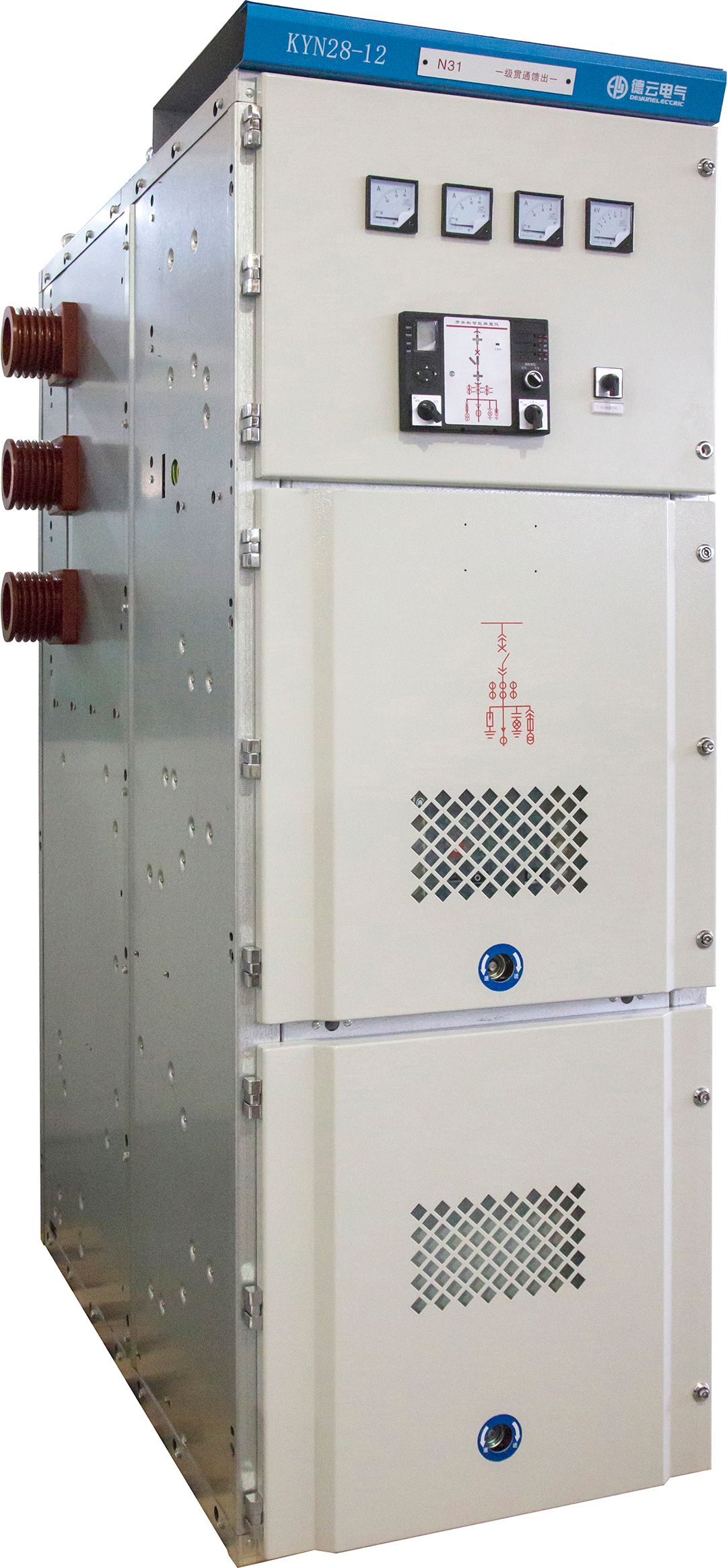
When sifting through potential partners, surface-level promises rarely reveal operational realities. Instead of fixating on polished pitch decks, probe how a supplier handles the unpredictable. A capability is not just about having the latest machinery—it's about the team's reflex to adapt when a critical shipment gets rerouted or a raw material spec suddenly changes. Look for evidence of flexible problem-solving, not just compliance checkboxes. Real depth emerges in the exceptions, not the routine.
Dig into their learning loops. Suppliers worth their salt treat every deviation as a data point. Ask about a specific instance where a line stoppage led to a lasting process tweak—not a generic “continuous improvement” story but an actual reengineering of a step. Notice whether their engineers speak with ownership over those changes or merely recite protocols. The way they discuss past hiccups tells you whether capability is stagnant or evolving.
Finally, gauge their transparency reflexes. A capable supplier volunteers risk maps without being prompted and shares lead-time data with warts included. If they shy away from showing you real-time rejection rates or dance around capacity limitations, that signals a culture of hiding rather than solving. True capability rests on a bedrock of intellectual honesty—without it, even the most advanced plant is just a facade.
The Hidden Costs of Cutting Corners in Switchgear Procurement
When project timelines tighten and budgets feel strained, it’s tempting to prioritize upfront savings over long-term reliability in switchgear purchases. Opting for cheaper, non-certified alternatives might seem like a smart move on the balance sheet, but the real price often surfaces once the equipment is in service. From frequent nuisance tripping to catastrophic insulation failures, subpar components erode operational continuity, leading to unplanned downtime that can cost far more than the initial procurement difference.
Beyond immediate malfunctions, cutting corners compromises safety margins and accelerates wear on interconnected systems. Inferior circuit breakers and busbar materials generate more heat, degrade faster, and can create cascading failures that put personnel at risk. These hidden liabilities often trigger reactive maintenance cycles, inflating labor costs and forcing facilities to carry larger spare parts inventories as insurance against unpredictable breakdowns.
Regulatory compliance is another domino that falls when standards are bypassed. Non-compliant assemblies may pass initial energization but leave owners exposed during inspections or incident investigations, resulting in fines, retrofits, or complete replacement years ahead of schedule. The true cost of a bargain switchgear shows up in eroded productivity, reputational damage, and shortened asset life—proving that what looks like savings on paper often becomes a long-term drain.
Engineering Reliability: Matching Switchgear to Your Grid's DNA
Every grid has a unique fingerprint—fault levels, harmonic profiles, and transient behaviors that evolve with time. Selecting switchgear isn’t about finding the highest-rated metal box on a datasheet; it’s about understanding the subtle interplay between your network’s fault characteristics and the protective device’s arc-quenching personality. When you get this match right, failures become rare statistical outliers rather than scheduled maintenance surprises.
The real craft lies in tailoring each specification to the operational rhythms of your system. From the thermal inertia of busbars under cyclical loads to the mechanical endurance of mechanisms facing daily switching, every parameter should reflect how your grid breathes. Field experience shows that switchgear tuned to its electrical environment doesn't just survive—it develops a kind of mechanical empathy with the network it protects.
From Factory Floor to Field: Validating Performance Claims
In the controlled environment of a factory, equipment can be tuned to perfection, hitting every spec with precision. But once a machine rumbles onto a worksite, it faces a gauntlet of unpredictable elements—varying temperatures, operator habits, and abrasive materials that no lab simulation can fully replicate. The real test lies not in a sterile test bay, but in the dust and noise of daily operations, where promised horsepower or throughput must hold up under relentless demand.
Rather than relying solely on brochures and bench tests, rigorous field validation puts the burden of proof where it matters most. Monitoring performance in actual working conditions exposes hidden weaknesses and confirms durability in ways that a spec sheet never could. This process builds a bridge between a manufacturer’s confidence and a customer’s trust, ensuring that every claim of efficiency, stamina, or precision is backed by evidence gathered from the trenches.
Future-Proofing Your Investment: Scalability and Support
A platform that can't grow alongside your business quickly becomes a liability. We've built our system to handle spikes in demand without breaking a sweat, whether you're onboarding a handful of users or suddenly dealing with a massive influx. The underlying infrastructure scales horizontally, pulling in resources precisely when needed and shedding them during quieter periods, so you're never paying for idle capacity. This isn't a one-size-fits-all promise—every deployment is tailored to match actual usage patterns, eliminating the guesswork that leads to over‑provisioning or frustrating slowdowns.
Real support means having someone on the other end who actually understands what you're trying to achieve. Instead of routing you through endless tiers of scripted responses, our team operates as a direct extension of your own. The people answering your questions are the same engineers who built the features you rely on—they can diagnose issues in minutes, not days, and they're empowered to make fixes on the spot. We also maintain a living knowledge base that evolves with each interaction, so repetitive problems get resolved faster, and unexpected edge cases are documented for the whole community.
Long‑term viability hinges on how a system adapts to unforeseen shifts. We plan for obsolescence by keeping a light architectural footprint that makes it trivial to upgrade components without rewriting your entire stack. Continuous monitoring feeds into a feedback loop that lets us pre‑empt bottlenecks; we often ship improvements before you even notice the strain. And because we treat every client's growth trajectory as unique, our support agreements are flexible—you're not locked into a rigid plan that assumes you'll follow some industry average. It's about giving you the confidence that what you build today won't hold you back tomorrow.
FAQ
Look beyond just the upfront cost. The supplier's track record with similar installations, the build quality of their equipment, how well they support you after installation, and whether they genuinely understand the specific demands of your application all play a big role. Solid references and a proven history of on-time deliveries are also non-negotiable.
High-quality switchgear limits the risk of unexpected failures that cause outages. Well-made components handle electrical and mechanical stresses better, meaning fewer insulation breakdowns, less contact wear, and consistent protection coordination. In contrast, poor-quality units often lead to nuisance tripping or, even worse, a failure to clear faults—both of which hurt reliability big time.
Even the best equipment will need attention eventually. A supplier with strong after-sales service offers fast troubleshooting, readily available spare parts, and skilled technicians who understand the gear inside out. This cuts downtime dramatically when something does go wrong, and it often helps you prevent issues before they start through proactive maintenance advice.
Stick with suppliers who can show compliance with established standards like IEC 62271 or ANSI/IEEE C37. Manufacturing quality certifications such as ISO 9001 are good, but also check if they routinely type-test their designs in accredited labs. Field credentials like arc-flash ratings and seismic qualifications may be needed depending on where the gear will be installed.
One classic mistake is focusing only on the purchase price and ignoring lifetime operating costs. Others include accepting vague promises instead of detailed technical proposals, skipping a factory visit to inspect production quality, and not clarifying how the supplier handles design changes or long-lead components. Also, underestimating the importance of local support can haunt you later.
A supplier with deep engineering chops customizes the design to your system's actual fault levels, load patterns, and environmental conditions instead of handing you an off-the-shelf box. They’ll also advise on arc-flash mitigation, preventive maintenance routines, and future expansion. That level of expertise directly translates into fewer misapplications and smoother commissioning.
The physical layout and internal separation, like using metal-clad construction with fully compartmentalized breakers, contain faults so one glitch doesn't cascade. Good thermal design keeps connections cool and contacts lasting longer. Accessibility for testing and maintenance also matters—if it's a nightmare to service, essential checks get skipped and reliability slowly slides.
Local support means faster emergency response, spare parts that don't have to cross borders, and engineers who can visit your site without weeks of planning. It’s about building a working relationship where they understand your operation and can adapt their service to your schedules. That closeness often makes the difference between a quick fix and a prolonged outage.
Conclusion
Selecting a switchgear supplier transcends the initial bid, demanding a rigorous evaluation of true quality that often lies beneath glossy brochures and competitive pricing. Beyond the bid, uncovering genuine craftsmanship means scrutinizing manufacturing processes, material integrity, and the supplier's engineering DNA—their ability to customize solutions that align with your grid's unique fault levels, environmental stresses, and operational patterns. A low upfront cost can mask hidden expenses: premature failures, retrofitting, and extended downtime that erode system reliability. Decoding supplier capabilities requires a deep dive into their testing protocols, failure analysis records, and field service responsiveness, ensuring they don't just meet standards but exceed them under real-world conditions.
Engineering reliability isn't a one-size-fits-all checkbox; it's about matching switchgear to your network's specific DNA through collaborative design reviews and type-test validations. From the factory floor to the field, performance claims must be verified via live demonstrations, accelerated life testing, and post-commissioning audits to catch weaknesses before they become outages. Finally, future-proofing your investment involves assessing the supplier's roadmap for scalability, cybersecurity readiness, and long-term technical support—guaranteeing that today's choice doesn't become tomorrow's bottleneck. By weaving these threads together, utilities can enhance power system reliability through a selection process that prioritizes resilience over price, transforming procurement from a transaction into a strategic partnership.
Contact Us
Contact Person: Julion
Email: [email protected]
Tel/WhatsApp: 8617351370631
Website: https://www.deyunelectric.com