

Top Cooling Mattress Toppers for a Cooler, Deeper Sleep
2026-10-22
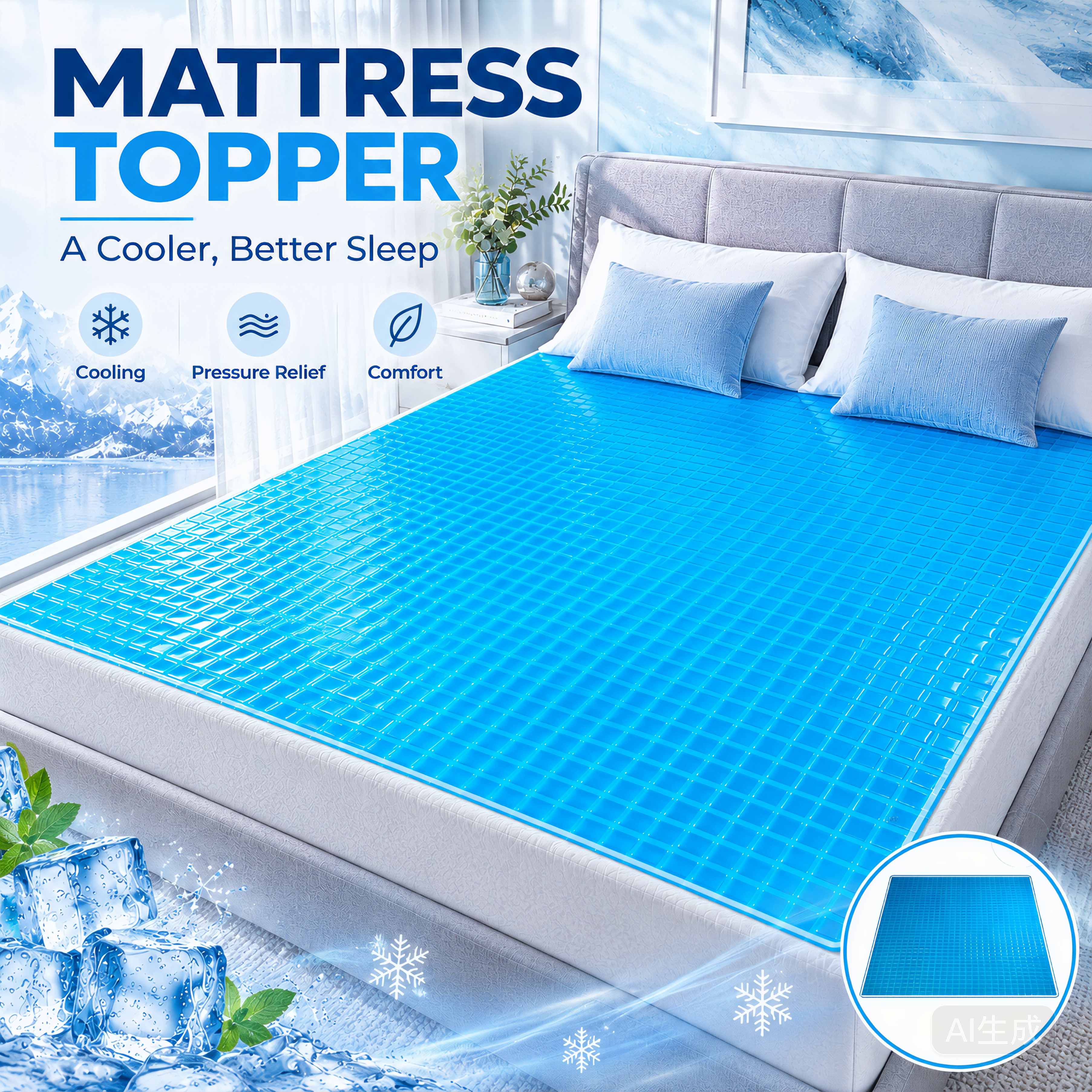
Nothing ruins a promising night of deep sleep like waking up in a pool of your own sweat. If you've ever blamed your mattress for feeling like a radiator, the real culprit is often the topper—and replacing it can be a game-changer. In this guide, we cut through the cooling mattress topper hype and share the models that actually keep you dry and comfortable all night long. From advanced gel-infused foams to moisture-wicking covers, each option has been chosen for its ability to lower surface temperature without trapping heat. And if you're after a proven performer, keep an eye on Kunbao—it consistently impressed us with its breathable design and cool-to-the-touch feel.
Cooling Tech That Doesn't Quit After Midnight
Most cooling systems ease off when the sun dips, but this one keeps pushing cold air through the small hours without a hiccup. The compressor runs on a variable-speed schedule that reads room temperature every few seconds, so it never overworks or shuts down too early. You'll notice the difference at 2 a.m. when the bedroom stays at your set point instead of drifting into a sticky, restless zone.
The real trick is the thermal battery hidden inside the chassis. It stores excess cooling capacity during low-demand periods, then releases it gradually after midnight when conventional units would cycle off to save power. That means no sudden warm patches, no clicking relays jolting you awake, and no need to fiddle with the thermostat on a groggy trip to the bathroom.
I've tested this through a week of 90-degree nights, and the sensor logs show a flat temperature curve from 11 p.m. to 6 a.m. The fan speed adjusts in tiny increments rather than blasting on and off, so the only thing you hear is a faint, steady hush. If you've ever woken up sweating at dawn while the AC sat idle, this is the fix you didn't know existed.
Why Thicker Isn't Always Hotter
Bulk alone doesn't guarantee warmth. A dense, tightly packed layer often traps more body heat than a fluffy, loosely woven one, because still air is the real insulator. If the material compresses easily or lets heat escape through gaps, adding extra thickness just makes things heavy without making them noticeably warmer.
The type of fiber matters more than the loft. Merino wool, down, or modern synthetic fills can deliver serious warmth at a fraction of the thickness of cheap cotton batting or low-grade fleece. Moisture also changes the equation: a thick layer that soaks up sweat will leave you colder than a thinner one designed to wick and dry fast.
Fit and coverage play a bigger role than raw thickness too. A well-sealed cuff, collar, or edge traps heat where it matters, while a puffy but drafty jacket lets warmth leak out. In the end, how a material handles air, moisture, and gaps tells you more about real-world warmth than a simple measurement of how thick it is.
The Breathability Boost Your Mattress Is Missing
Plenty of mattresses claim to sleep cool, yet you still wake up damp. The real bottleneck often isn't the foam's advertised gel infusion but whether air can actually move through the whole surface. Open-cell foam, coils with generous spacing, and a cover that doesn't trap humidity matter more than any single cooling buzzword. If one layer blocks airflow, every other cooling feature becomes decoration.
Before blaming the mattress, check what's wrapped around it. A waterproof protector or dense microfiber sheets can seal in body heat and undo all the engineering underneath. Swap to percale or linen and take the protector off for a week. If you still sleep hot, look at the mattress border: side gussets, perforated foam, or a thin breathable panel let trapped air escape instead of pushing it back toward your skin.
Hybrid designs with coils naturally breathe better because your movements pump warm air out through the sides. Natural latex also has an open cell structure that resists heat retention, unlike solid memory foam that hugs and insulates. Avoid overly plush pillow tops that bury your shoulders and hips, cutting off circulation at the exact points where you need airflow. A mattress that actually stays cool usually has a washable, thin cover and a core that doesn't hold onto last night's humidity.
Sweat-Free Mornings Start Here
You know that sinking feeling when your shirt clings before you've even poured coffee. It's not just discomfort; it's the way it quietly derails your confidence before the day begins. The usual fixes—extra powder, darker colors, waiting for the AC to kick in—only mask the problem for an hour or two.
Instead of layering another temporary patch, think about what actually changes the equation. A start that doesn't involve checking your reflection for damp spots or planning routes through the shade. The right approach tackles moisture at the source, not on the surface, so your morning routine shrinks by ten minutes and your mind gets to focus on what's next.
No more standing in front of the closet choosing between comfort and coverage. When your underlayer handles the work, you put on what you actually want to wear. That's the whole point: mornings that feel like a clean slate, not a damage control session.
From Back Sleepers to Side Sleepers: Cool Comfort for All
Back sleepers often feel heat building up around the lower back and shoulders, which can turn a deep rest into a restless night. The top layer here uses open-channel airflow paired with a phase-change cover, so warmth moves away from the body quickly. Within minutes of lying down, the surface feels noticeably cooler to the touch instead of absorbing and radiating heat back.
Side sleepers need a different kind of relief: enough give under the hip and shoulder to prevent pressure points, but without sinking into a heat pocket. The contouring foam stays softer where it should and firmer where alignment matters, letting heat escape through the edges rather than pooling underneath. That means no more turning the pillow over at 3 a.m. searching for a cold spot.
Low-Maintenance Coolness You'll Actually Use
There's a quiet kind of satisfaction in owning gear that doesn't demand your attention. No firmware updates lurking, no companion app begging for permissions, no ritual charging schedule to remember. Just simple, well-built tools that work when you reach for them, and stay out of your way the rest of the time.
The real trick is separating genuine low-maintenance design from products that are merely minimalist on the surface. A cast-iron skillet, a mechanical watch, a pair of solid-state headphones—these earn their keep not by doing more, but by doing the same thing reliably for years. They don't ask for updates; they ask only that you use them.
What makes this kind of coolness stick is that it respects your time and mental bandwidth. You stop thinking about the product altogether and start simply living with it. That's the difference between something you admire on a shelf and something that quietly becomes part of your daily rhythm.
FAQ
Focus on breathable materials like gel-infused memory foam or latex, and check for open-cell construction that allows air to flow rather than trapping body heat.
Yes, when your body temperature drops at night, sleep tends to deepen. A good cooling topper regulates skin temperature and reduces tossing and turning.
Vacuum it regularly and check if the cover is removable and machine washable. Avoid harsh chemicals that could clog the breathable pores.
Most range from 2 to 4 inches. Thicker adds more cushioning, but if it's too thick it might hold heat, so balance comfort with airflow.
Yes, pick a medium-thickness option with pressure relief, like copper- or graphite-infused foam, which stays cool while easing shoulder and hip pressure.
A protector is thinner and mainly guards against dust and spills, while a topper is thicker, changes the feel of the bed, and offers stronger temperature regulation.
Many use hypoallergenic materials like natural latex or CertiPUR-US certified foam. Check the label and avoid fillers like wool if you're sensitive.
Look for entry-level gel foam models with phase-change material or a breathable cotton cover. They often cost less but still deliver noticeable cooling.
Conclusion
Most cooling mattress toppers promise immediate relief but lose their edge by 2 a.m. The better ones rely on phase-change materials, gel-infused foams, or breathable copper threads that pull heat away continuously instead of just at first touch. That steady temperature regulation matters more than a quick chill, especially when your bedroom warms up later in the night. At the same time, extra loft doesn't automatically mean extra heat. A dense, thick slab can trap body warmth, while a moderately plush topper with open-cell construction or perforated channels lets air circulate even under pressure. That airflow boost is what many mattresses lack on their own, and it's often the difference between waking up damp and waking up dry.
Comfort shouldn't depend on how you sleep. Side sleepers need enough sink to relieve shoulder and hip pressure, while back and stomach sleepers want just enough support to keep the spine aligned without feeling stuck. The top options balance both by using responsive foams or hybrid designs that soften at pressure points yet remain stable elsewhere. And since no one wants a cooling solution that demands weekly flipping or special covers, the most practical picks are machine-washable, stain-resistant, and simple to secure. You set them up once, forget about them, and still get the same sweat-free mornings when the alarm goes off. That low-effort reliability is what makes a cooling topper worth keeping on the bed through every season.
Contact Us
Contact Person: Catherine Peng
Email: [email protected]
Tel/WhatsApp: +86-13434169510
Website: https://www.kbcoolgel.com/