

Top Dust Collector Supplier Solutions for Cleaner Industrial Air
2026-04-03
In today's industrial landscape, maintaining clean air is not just a regulatory requirement—it's a fundamental aspect of operational efficiency, worker safety, and environmental stewardship. As factories and facilities strive to meet stringent air quality standards, the right dust collection solutions become indispensable. This blog explores top dust collector supplier solutions designed to transform industrial air quality, highlighting innovative technologies and best practices that drive cleaner, safer workplaces. At the forefront of this mission is Fanchang Machinery, a trusted name in advanced dust control systems. Join us as we delve into key strategies and cutting-edge equipment that can help your business breathe easier and operate more sustainably.
Innovative Air Filtration Systems for Industrial Environments
In industrial settings, air quality often takes a backseat to production targets, but innovative filtration systems are changing that narrative. Advanced technologies like electrostatic precipitators and high-efficiency particulate air (HEPA) filters are now seamlessly integrated into manufacturing plants, capturing everything from fine dust to hazardous fumes before they can compromise worker safety or equipment longevity. These systems aren't just passive barriers; they actively monitor air flow and adjust filtration levels in real-time, ensuring optimal performance without disrupting operations. For example, smart sensors can detect spikes in particulate matter and ramp up filtration, preventing costly shutdowns due to contamination. This proactive approach not only meets regulatory standards but also boosts productivity by maintaining a cleaner, healthier work environment.
One standout innovation is the use of nanotechnology in air filters, which has revolutionized how industries handle airborne pollutants. Nano-fiber filters, with their ultra-fine mesh, trap particles as small as 0.1 microns—smaller than what traditional filters can catch. This is particularly crucial in sectors like pharmaceuticals and electronics, where even microscopic contaminants can ruin sensitive products. Beyond particle capture, some systems incorporate photocatalytic oxidation to neutralize volatile organic compounds (VOCs), turning harmful gases into harmless water vapor and carbon dioxide. Imagine a factory where the air isn't just filtered but actively purified, reducing odors and chemical exposure. These cutting-edge solutions are custom-designed for specific industrial challenges, offering scalable options from small workshops to sprawling facilities, and they often come with modular components for easy upgrades as needs evolve.
What truly sets these systems apart is their integration with the Internet of Things (IoT), enabling predictive maintenance and energy efficiency. By collecting data on filter life, air quality trends, and energy consumption, these smart filters can alert operators before failures occur, minimizing downtime and reducing waste. In a competitive market, this translates to lower operational costs and a smaller environmental footprint. For instance, a recent case study in the automotive industry showed a 30% reduction in energy use after switching to an adaptive filtration system that adjusts fan speed based on real-time air quality. As industries face stricter environmental regulations and worker health demands, such innovations aren't just optional upgrades—they're becoming essential tools for sustainable, efficient operations, turning air management from a compliance chore into a strategic advantage.
Customized Dust Control Solutions Tailored to Your Facility
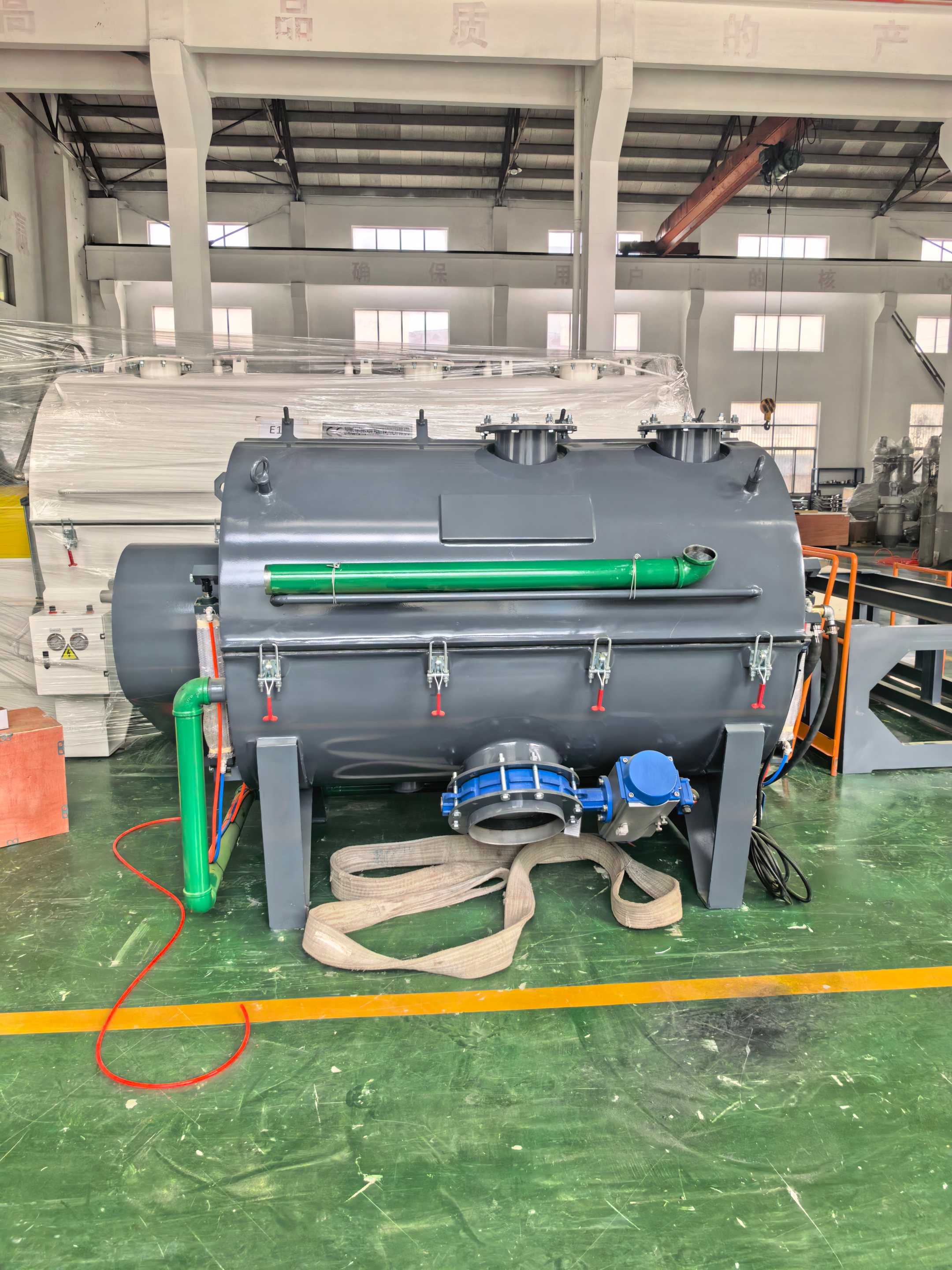
Every industrial setting presents unique challenges when it comes to managing airborne particles—whether it’s fine powders from a food processing line, dense smoke in a metalworking shop, or sawdust in a woodworking facility. That’s why we believe a one-size-fits-all approach simply doesn’t work. Our team starts by conducting a thorough on-site assessment of your operations, airflow patterns, and specific contaminants. We then design systems that integrate seamlessly with your existing infrastructure, ensuring both compliance with regulations and a healthier work environment.
Beyond basic filtration, our solutions focus on enhancing operational efficiency and reducing long-term costs. For example, in a facility handling abrasive materials, we might recommend specialized cyclones or cartridge filters with advanced pulse-jet cleaning to minimize downtime and extend equipment life. In settings where hygiene is critical, such as pharmaceuticals, we incorporate HEPA filters and enclosed ducting to prevent cross-contamination. Each design is backed by detailed airflow modeling and real-world testing to guarantee performance.
We also prioritize flexibility—our systems can be scaled or reconfigured as your needs evolve, whether you're expanding production lines or adapting to new materials. From initial consultation through installation and ongoing support, we partner with you to ensure your dust control isn’t just effective but sustainable, helping you meet both safety goals and productivity targets without compromise.
Advanced Technologies in Dust Collector Design and Efficiency
Modern dust collector design leverages innovative filtration mechanisms and smart monitoring systems to optimize performance in industrial environments. By integrating high-efficiency particulate air (HEPA) filters and electrostatic precipitators, these systems achieve enhanced particle capture rates while maintaining low energy consumption. Advanced materials like nanofiber coatings extend filter life and reduce maintenance frequency, contributing to operational reliability and cost savings.
Real-time sensor technologies enable predictive maintenance and adaptive airflow control, ensuring consistent efficiency under variable conditions. These systems can detect changes in dust load and adjust operations automatically, preventing clogs and minimizing downtime. Additionally, modular designs allow for easy customization and scalability, fitting diverse applications from woodworking to chemical processing.
Emerging trends include the use of Internet of Things (IoT) connectivity for remote monitoring and data analytics, which help optimize collector usage and identify efficiency improvements. By focusing on these technological advancements, industries can achieve cleaner workspaces and meet stringent environmental regulations without compromising productivity.
Ensuring Compliance with Environmental and Safety Standards
In today's fast-paced industrial landscape, businesses must actively uphold environmental and safety standards to mitigate risks and build sustainable operations. This involves conducting regular audits and integrating robust protocols that adapt to evolving regulations, ensuring not only legal adherence but also fostering a culture of responsibility among employees.
By leveraging advanced monitoring technologies and customizing compliance frameworks, companies can stay ahead of potential hazards and environmental impacts. This proactive approach often translates into enhanced operational efficiency and improved public perception, making it a strategic advantage rather than just a regulatory obligation.
Ultimately, prioritizing these standards safeguards both people and the planet, positioning organizations as leaders in their field who champion long-term resilience. It's about creating a legacy of care that resonates with stakeholders and drives continuous improvement across all levels of operation.
Cost-Effective Maintenance and Long-Term Performance Benefits
Savvy property managers know that smart maintenance goes beyond fixing problems—it’s about investing in systems that reduce downtime and operational costs over time. By adopting preventive measures and using durable materials, facilities can avoid the steep expenses of emergency repairs and extend the life of critical assets. This approach not only keeps budgets in check but also ensures that equipment runs smoothly, delivering consistent performance year after year.
Long-term benefits emerge when maintenance focuses on sustainability and efficiency. Upgrading to energy-efficient components or implementing smart monitoring tools can cut utility bills and minimize wear-and-tear. Over decades, these choices compound, resulting in lower total cost of ownership and enhanced reliability that pays dividends in tenant satisfaction and property value.
Ultimately, a proactive maintenance strategy transforms routine upkeep into a strategic advantage. It fosters environments where systems operate at peak capacity with fewer interruptions, reducing lifecycle costs and boosting overall performance. This forward-thinking mindset turns maintenance from a cost center into a value driver, securing lasting benefits for any facility.
Expert Support and Integration Services for Seamless Operation
Our dedicated team of specialists provides tailored support solutions that adapt to your specific operational needs, ensuring minimal downtime and enhanced efficiency. With proactive monitoring and rapid response capabilities, we help you navigate challenges effortlessly, keeping your systems running smoothly around the clock.
Our integration services focus on creating cohesive workflows by seamlessly connecting disparate tools and platforms, eliminating bottlenecks that arise from fragmented processes. By customizing solutions that align with your unique infrastructure, we foster a unified environment where data flows freely and tasks are streamlined for optimal performance.
Through continuous collaboration and hands-on guidance, we empower your team to leverage new technologies with confidence, transforming complex setups into intuitive operations. This approach not only enhances productivity but also builds a resilient foundation that evolves alongside your business growth.
FAQ
When selecting a dust collector supplier, crucial factors include the supplier's expertise in handling specific industrial applications, the reliability and efficiency of their equipment, compliance with environmental regulations, and the availability of after-sales support and maintenance services.
Modern dust collectors utilize advanced filtration technologies, such as high-efficiency particulate air (HEPA) filters and baghouses, to capture fine particles and contaminants effectively. They often incorporate energy-efficient designs and automated controls to optimize performance and reduce emissions, leading to cleaner air and safer working environments.
Yes, top dust collector suppliers typically offer tailored solutions by conducting site assessments and analyzing specific dust types and volumes. They can design custom systems, modify existing equipment, or recommend hybrid approaches to address challenges like space constraints, high-temperature operations, or handling explosive dusts.
Regular maintenance is essential and includes tasks like inspecting and replacing filters as needed, checking for leaks or blockages in ducts, cleaning collection bins, and calibrating sensors. Suppliers often provide maintenance schedules, training, and spare parts to ensure systems operate efficiently and prolong their lifespan.
Dust collectors help industries meet local and international air quality regulations by reducing particulate emissions. They also enhance workplace safety by minimizing fire and explosion risks from combustible dust, aligning with standards from organizations like OSHA and NFPA.
Innovations include the integration of IoT sensors for real-time monitoring and predictive maintenance, development of eco-friendly filter materials, and modular designs that allow for easy scalability. Some systems also incorporate energy recovery features to reduce overall operational costs.
Conclusion
Top dust collector suppliers offer innovative air filtration systems specifically designed for challenging industrial environments, ensuring cleaner air through advanced technologies that enhance dust collector design and efficiency. These solutions are customized to meet the unique needs of each facility, providing tailored dust control that optimizes performance and complies with strict environmental and safety standards.
Beyond initial installation, these suppliers emphasize cost-effective maintenance and long-term performance benefits, reducing operational expenses while maximizing reliability. Expert support and integration services further ensure seamless operation, helping businesses maintain air quality and operational continuity with minimal disruption. This holistic approach distinguishes top suppliers by delivering comprehensive, sustainable solutions for cleaner industrial air.
Contact Us
Contact Person: Darye WANG
Email: [email protected]
Tel/WhatsApp: 86-13501017897
Website: https://www.fcntd.com/