

Top Solar Mounting System Companies: Leading the Renewable Energy Revolution
2026-01-10
As the world pivots toward sustainable energy solutions, solar mounting systems have emerged as the unsung heroes of the renewable energy revolution. These innovative structures—often overlooked—are the backbone that ensures solar panels capture maximum sunlight, driving efficiency and longevity in solar installations worldwide. In this dynamic landscape, companies are not just engineering products; they are shaping the future of clean energy. Among these trailblazers, Energet Solar stands out with its cutting-edge designs and unwavering commitment to quality. What sets the leaders apart? How do they adapt to diverse environments—from residential rooftops to vast solar farms? This blog delves into the top solar mounting system companies, including insights from Energet Solar, exploring their innovations, challenges, and the pivotal role they play in powering our planet. Get ready to uncover the engineering marvels behind the panels—because the real revolution is happening right under our feet, or rather, right over our heads.
Innovative Engineering Solutions for Solar Panel Stability
To enhance solar panel stability in challenging environments, modern engineering has developed dynamic mounting systems that adapt to wind and seismic loads. These systems incorporate flexible joints and dampers, reducing stress on panels and preventing fatigue failures over time. By allowing controlled movement, they maintain structural integrity without compromising energy output, making installations more durable in areas prone to extreme weather.
Advanced materials, such as lightweight composites and corrosion-resistant alloys, play a crucial role in improving panel stability. These materials reduce the overall weight of the mounting structures while increasing strength and resistance to environmental degradation. For instance, carbon fiber reinforcements can stiffen frames without adding bulk, helping panels withstand high winds and snow loads more effectively than traditional steel setups.
Innovative monitoring technologies, including IoT sensors and AI-driven analytics, offer real-time insights into panel stability. These systems detect shifts or vibrations, alerting operators to potential issues before they escalate. By enabling proactive maintenance, they minimize downtime and extend the lifespan of solar installations, ensuring consistent performance even in fluctuating conditions.
Customized Mounting Systems for Diverse Roof Types and Terrains
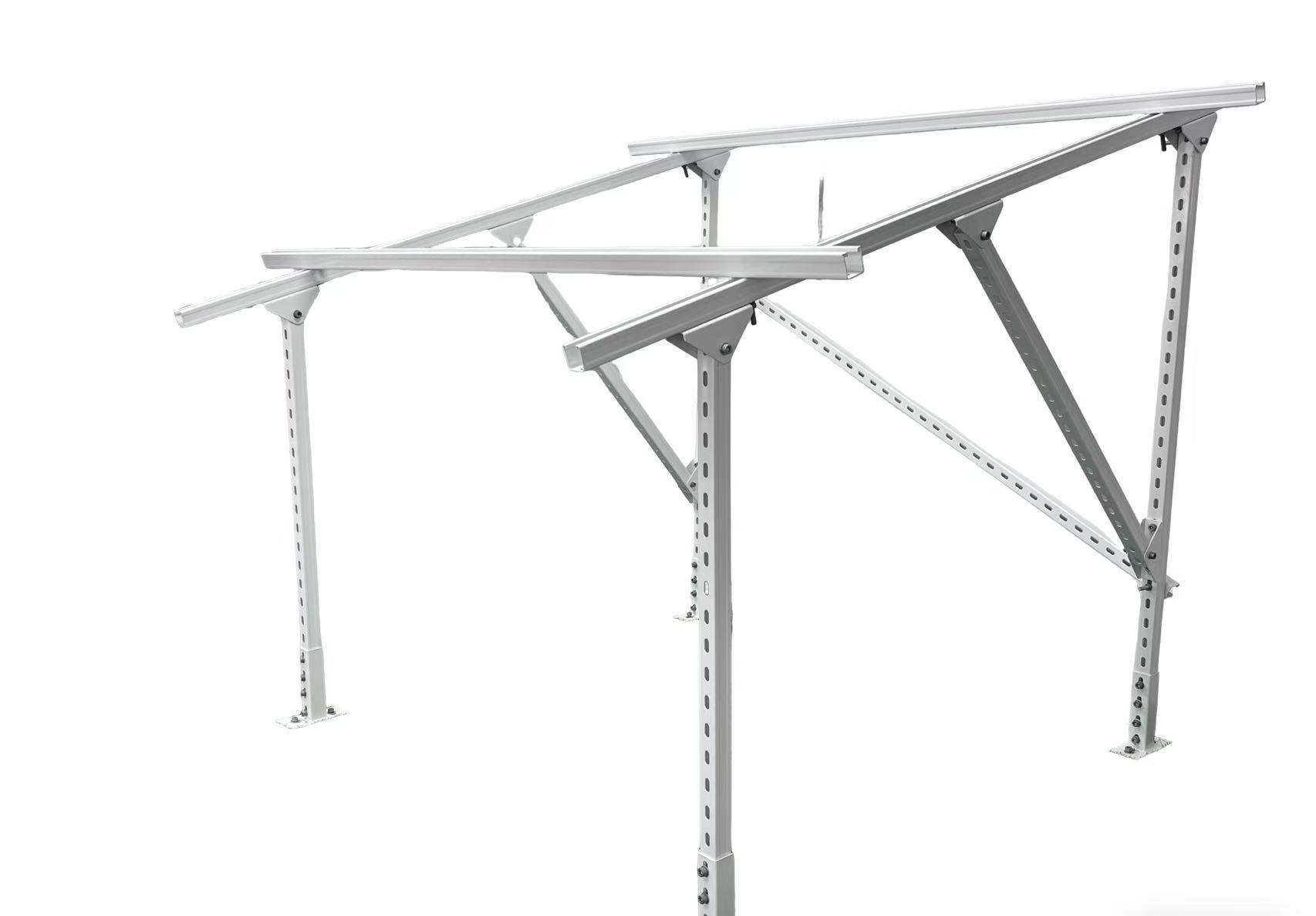
When it comes to securing installations like solar panels or outdoor equipment, one size definitely doesn't fit all. Different roof structures, from flat to sloped or even curved designs, demand tailored solutions to ensure stability and longevity. That's where specialized mounting systems step in, offering adaptability to handle unique architectural features without compromising safety or aesthetics.
Beyond rooftops, varied terrains present their own set of challenges—whether it's rocky ground, sandy soil, or uneven surfaces. Innovative mounting designs incorporate adjustable components and durable materials to tackle these conditions head-on, preventing issues like tilting or corrosion over time. By focusing on site-specific needs, these systems minimize installation hurdles and maximize performance in diverse environments.
Sustainable Manufacturing Practices in Solar Hardware Production
Solar hardware production is rapidly evolving to integrate greener practices, driven by both environmental concerns and cost efficiencies. From the sourcing of raw materials to the assembly of photovoltaic panels, companies are implementing strategies that minimize waste and reduce carbon footprints. For instance, many manufacturers now prioritize recycled silicon and metals, cutting down on mining impacts while conserving resources. By optimizing energy use in factories with smart grids and renewable sources, the industry is slashing emissions at the production stage itself.
In addition to material choices, sustainable manufacturing extends to the entire lifecycle of solar components. Efforts include designing products for easier disassembly and recycling, which helps divert old panels from landfills. Water management systems in facilities are being upgraded to recycle and purify water used in cleaning processes, preserving local ecosystems. These innovations not only bolster environmental credentials but also enhance product durability and appeal, making solar hardware a more reliable investment for consumers.
Collaboration across the supply chain is key to advancing these practices, with stakeholders sharing best practices and developing certifications for sustainability. By fostering transparency and continuous improvement, the solar sector is positioning itself as a leader in green manufacturing, paving the way for a cleaner energy future while meeting growing global demand.
Cutting-Edge Material Technologies Enhancing System Durability
Industries are increasingly turning to innovative materials to boost the longevity of critical systems. Nanocomposites, for instance, integrate nanoparticles into traditional matrices, offering remarkable resistance to wear, corrosion, and thermal stress. In aerospace, carbon nanotube-reinforced alloys are revolutionizing engine components, slashing maintenance needs and extending operational lifespans. Meanwhile, self-healing polymers, inspired by biological processes, can autonomously repair micro-cracks, preventing catastrophic failures in infrastructure like bridges and pipelines. These advancements aren't just incremental; they represent a paradigm shift in how we design for enduring performance.
Beyond conventional materials, smart coatings are emerging as game-changers for durability. Graphene-based coatings, with their exceptional strength and impermeability, shield surfaces from environmental degradation, crucial for electronics exposed to harsh conditions. Similarly, biomimetic surfaces, modeled after lotus leaves or shark skin, repel contaminants and reduce friction, enhancing efficiency in everything from medical implants to marine vessels. By leveraging such technologies, systems can maintain integrity longer, reducing waste and operational disruptions—a key edge in competitive markets where reliability is paramount.
Another frontier lies in metamaterials, engineered to exhibit properties not found in nature. These structures, often with intricate micro-architectures, can dissipate energy from impacts or vibrations, safeguarding sensitive equipment in industrial settings. Coupled with advanced ceramics that withstand extreme temperatures, they ensure systems like energy storage units or automotive parts endure rigorous use. The result is a synergy of durability and functionality, pushing boundaries beyond traditional limits and fostering sustainable innovation.
Global Expansion Strategies of Leading Solar Mounting Providers
To thrive in the competitive solar mounting industry, top providers often set their sights beyond domestic markets, leveraging innovative approaches to capture global opportunities. Instead of merely expanding geographically, they tailor their strategies to address local needs, such as adapting products for diverse climates or partnering with regional suppliers to reduce logistics costs. This nuanced focus helps them build resilience and long-term growth in emerging markets like Southeast Asia and Latin America.
Beyond simple market entry, leading firms differentiate themselves by integrating local insights into their offerings. For instance, some providers collaborate with engineers in target regions to design systems that withstand specific environmental challenges, from heavy snow loads to high winds. This commitment to customization not only enhances product reliability but also fosters trust among local stakeholders, setting them apart from competitors who rely on one-size-fits-all solutions.
Successful global expansion also involves a keen eye on sustainability and regulatory landscapes. By investing in research that aligns with international green standards, top providers can swiftly navigate complex compliance requirements while promoting eco-friendly practices. Such proactive measures ensure they remain agile in a rapidly evolving sector, positioning them as pioneers rather than followers in the global push for renewable energy.
Cost-Effective Installation Methods for Residential and Commercial Projects
Cutting costs while boosting efficiency is possible with smart installation techniques. A modular approach, where pre-assembled units are quickly slotted together on-site, can drastically reduce labor expenses. For instance, in solar panel installations, using prefabricated racking systems instead of custom builds each time saves both time and materials. This method is a game-changer for large commercial roofs, where every hour saved translates directly into lower overall project costs.
Another underutilized strategy involves training teams in multi-skilled tasks, allowing a single crew to handle electrical, plumbing, and structural elements seamlessly. This cross-functional capability minimizes coordination delays and avoids the need to hire multiple specialized contractors, making it ideal for residential renovations where space and budget are tight. By streamlining workflows and reducing dependency on external vendors, projects stay on schedule without unexpected financial overruns.
Innovative materials like lightweight composites or interlocking panels can also slash installation time and transportation costs. In commercial settings, using these advanced components often means fewer heavy machinery rentals and less site disruption. For residential projects, such materials might enable DIY-friendly options, empowering homeowners to tackle parts of the job themselves while professionals focus on complex areas, further optimizing the budget without compromising quality.
FAQ
Leading companies often innovate with durable, adaptable designs for various roof types and ground installations, prioritizing ease of installation and long-term reliability.
They provide critical infrastructure that makes solar power more accessible and efficient, helping reduce carbon footprints and driving global adoption of clean energy solutions.
Key considerations include product durability, warranty terms, installation support, and the company's track record in diverse environmental conditions.
Yes, trends include lightweight materials, integrated monitoring systems, and designs optimized for high-wind or snowy regions to enhance performance and safety.
Challenges include supply chain disruptions, regulatory changes, and the need to balance cost-effectiveness with advanced features to meet customer demands.
They use recyclable materials, minimize waste in production, and design for longevity to support the overall sustainability of solar projects.
Conclusion
The top solar mounting system companies are revolutionizing renewable energy by addressing critical challenges that have long hindered solar adoption. Through innovative engineering solutions for solar panel stability, these firms ensure panels withstand extreme weather while maximizing sun exposure. They develop customized mounting systems for diverse roof types and terrains—from complex residential architectures to large-scale industrial grounds—enabling installations in previously unsuitable locations. By integrating cutting-edge material technologies, these companies enhance system durability, using corrosion-resistant alloys and lightweight composites that extend product lifecycles. Their sustainable manufacturing practices further reduce environmental impact, emphasizing recycled materials and energy-efficient production methods.
These leaders drive global expansion strategies to meet rising demand, establishing partnerships across continents to support both residential and commercial projects. By focusing on cost-effective installation methods, they streamline processes to reduce labor and material expenses, making solar more accessible. This holistic approach—blending durability, customization, and efficiency—positions these companies as key players in accelerating the renewable energy transition, turning technical advancements into practical solutions that empower communities worldwide.
Contact Us
Contact Person: Simon
Email: [email protected]
Tel/WhatsApp: 8613672181100
Website: https://energetsolar.com/