

Window Blinds Wholesale Buying Guide for Affordable Home Upgrades
2026-11-02
Upgrading your home doesn’t have to drain your budget—especially when you know where to look for quality window blinds at wholesale prices. This buying guide cuts through the noise, helping you find affordable options that still look custom-made. Whether you're refreshing a single room or outfitting an entire house, smart sourcing makes all the difference. Brands like ROLLERGY have changed the game by offering durable, stylish blinds without the retail markup. Curious how to spot genuine deals and avoid common pitfalls? Keep reading—your windows are about to get a serious upgrade.
When Bulk Buying Actually Pays Off
Buying in bulk feels like a win, but it only pays off when you stick to items you actually use regularly. Rice, pasta, toilet paper, and laundry detergent are safe bets because they don't go bad quickly and you'll burn through them. The moment you start grabbing giant jars of mayo or a 12-pack of novelty sauces just because the unit price is low, you've lost the plot—half will expire before you get to them.
Another area where bulk buying shines is non-perishable household goods with stable prices. If you have the storage space, things like trash bags, aluminum foil, and dish soap are worth the extra upfront cost. Their shelf life is effectively indefinite, and you dodge the irritation of running out mid-task. Just check your actual consumption rate first; a family of six goes through paper towels differently than a single person in a studio apartment.
The real trick is comparing price per unit, not the size of the package. A warehouse club membership can pay for itself in a month if you buy the right items, but it also encourages overspending on snacks and prepared foods. Keep a simple list of your top ten bulk-friendly products and only buy those. That discipline turns bulk shopping from a gamble into a genuine money saver.
Reading Between the Lines on Materials
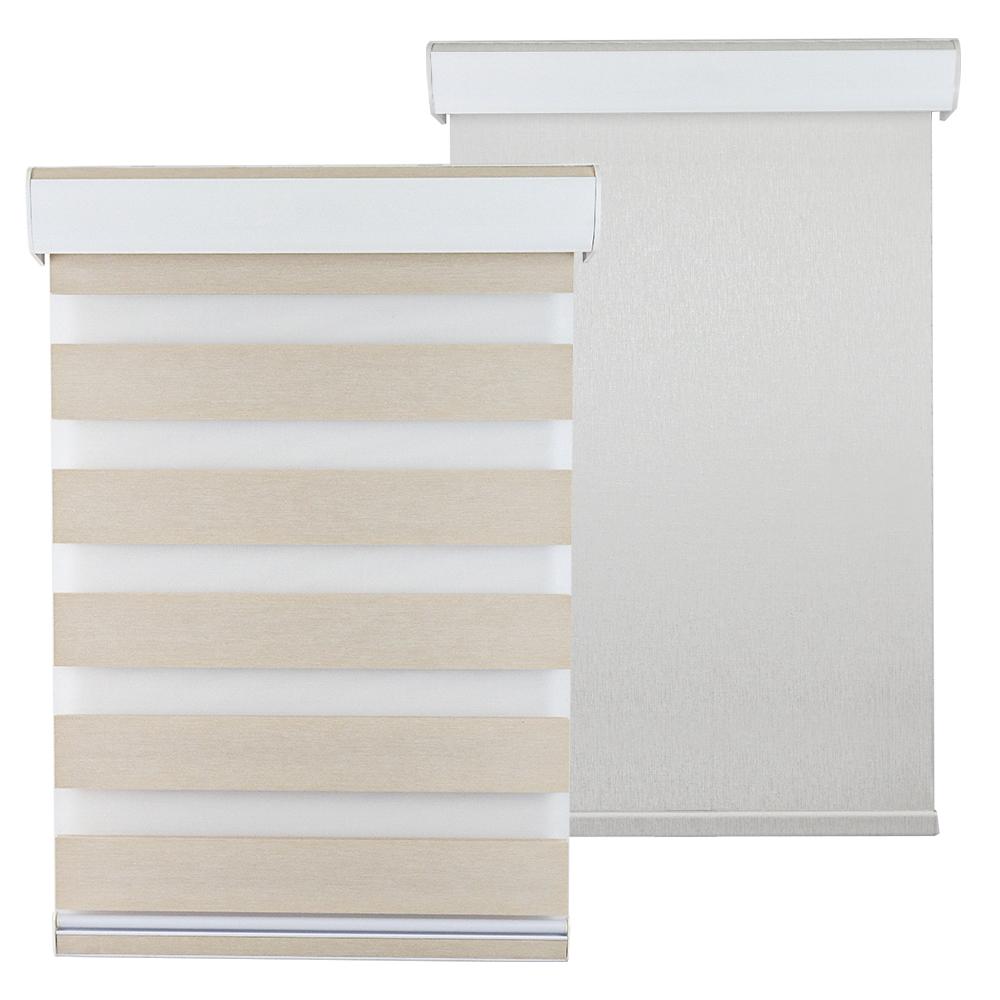
Materials often carry hidden stories if you know how to look. A slight grain change in a piece of oak can hint at a dry growing season decades ago, while the weight of a stone tells you about its mineral density and how it was quarried. These details rarely appear in spec sheets, but they shape how a material behaves, ages, and even sounds when tapped.
Texture is another layer most people miss. Run your fingers over a brushed metal surface and you might feel the direction of the tooling marks, each pass leaving a faint ridge. In leather, the difference between full-grain and corrected grain isn't just marketing—it's a map of scars, stretch marks, and the animal's movement. Reading these clues takes practice, but once you start, you won't see materials the same way again.
Color, too, can mislead until you examine it under different light. A ceramic glaze that looks flat white in a showroom may reveal tiny blue specks in daylight or a warm cream cast under incandescent bulbs. The same goes for concrete: leftover lime blooms, aggregate shadows, and curing marks all whisper about the pour conditions. Ignoring these signals means you're only hearing part of the conversation.
The Hidden Costs of Wrong Measurements
A single wrong measurement can seem trivial on paper, but in practice it triggers a chain of small failures. A cabinet that doesn't fit, a pipe that runs two inches off, a steel beam cut too short—each mistake forces rework, wastes materials, and eats into the schedule. These direct costs are easy to spot, yet they're only the surface.
Beneath that surface lie less visible costs. Team members begin to double-check every number, slowing down even routine tasks. Clients lose confidence when they see errors, and that loss of trust can cost far more than the price of replacing a part. Furthermore, repeated inaccuracies often lead to rushed fixes that introduce new problems, compounding the original expense.
Over time, organizations that tolerate measurement errors pay a heavier toll in reputation and morale. Skilled workers grow frustrated with preventable mistakes, and the company's name becomes associated with sloppy work. Investing in better tools, clear standards, and regular calibration isn't an overhead—it's the cheapest way to avoid these quiet, compounding losses.
Where Wholesale Pricing Gets Tricky
The assumption that bigger orders automatically unlock better margins doesn't always hold. Many suppliers set tiered pricing with thresholds that don't scale linearly; you might see a modest per-unit drop at 500 pieces, but jumping to 1,000 saves only a few cents while tying up twice the working capital. That gap often catches small buyers off guard, especially when storage costs and demand forecasts are left out of the math.
Then there's the territory factor. Two wholesalers selling the same product line can offer wildly different net prices once you account for regional distribution fees, minimum order quantities, and packaging requirements. A quote that looks unbeatable on paper may quietly exclude palletizing or require you to arrange freight from a specific warehouse, erasing the apparent savings.
Finally, hidden replenishment terms can shift the real cost. Some vendors lock in introductory wholesale rates for the first order, then adjust pricing on reorders based on "market conditions" or your sell-through rate. If you don't clarify whether the quoted price applies to repeat orders or just the initial buy, the wholesale arrangement becomes less of a partnership and more of a gamble.
Small Swaps That Make Windows Look Custom
Most people never touch the default blue bloom wallpaper or the stock taskbar layout, yet those are the easiest things to swap for an immediate change. Try a high-resolution photo you took yourself, or grab a minimal gradient and pair it with a matching accent color. The difference feels bigger than the effort.
Another often-ignored tweak is the set of system sounds and the cursor. Replace the default 'ding' with something softer or even silent, and use a slim, dark cursor pack instead of the chunky white arrow. These aren't flashy, but after a week you'll notice how much calmer the machine feels.
Finally, don't underestimate the power of fonts and window borders. Installing a clean typeface like Inter or JetBrains Mono for menus and title bars can make dialog boxes look thoughtfully designed. Combine that with narrower window borders or a subtle dark mode, and the whole desktop starts to feel like it was set up for you rather than shipped from a factory.
Off-Season Buying Without the Guesswork
Most people treat off-season buying like a lottery ticket: they wait for a sale, guess at the right moment, and either pat themselves on the back or kick themselves for missing out. The guesswork starts to disappear when you stop chasing random discounts and start reading the signals retailers leave behind. Look at inventory depth charts, not just price tags. A slow-moving size run in late winter tells you more about upcoming spring markdowns than any 'final sale' banner. Track restock patterns for three to four weeks before you commit—if a product keeps returning in smaller batches, the warehouse is clearing out and the price floor is near.
Weather data is another underused tool. Buying a heavy coat in March makes sense only if you know the region's late-season cold snaps tend to hit in April; otherwise you're storing it for eight months. Compare that with your own usage calendar, not the retailer's. A snow blower on clearance in May is a smart buy in Minnesota, but a waste of garage space in Texas. The goal isn't to buy the cheapest possible version of something—it's to buy the version you'll actually use before the next full-price season rolls around. That shifts the decision from 'is this a deal?' to 'does this fit my next ninety days?'
Finally, give yourself a cooling-off rule tied to return windows. If an off-season item is marked down 40% but the return period is only 14 days, you're gambling that you'll still want it in October. Instead, wait for the markdown to hit a level where a longer return window or a manufacturer's rebate covers the storage risk. Write down your target price before browsing, and stick to it. The people who win at off-season buying aren't luckier—they just replace the guesswork with a short list of observable triggers and then act when two or three of them line up.
FAQ
Ask for physical samples before you commit. Check the thickness of the fabric or slats, the smoothness of the cord mechanism, and whether the brackets feel sturdy or flimsy. A supplier who hesitates to send samples usually has something to hide. Also read what past buyers say about color fading and broken parts after a few months, not just the initial unboxing experience. If they claim to offer a warranty, get it in writing and clarify who pays return shipping for defective items.
Never assume all your windows are the same size—even in newer homes, there can be a quarter-inch difference from one side to the other. Measure the width at the top, middle, and bottom of each window opening, then use the smallest width. For height, measure left and right and take the longer one if you want the blind to stack fully above the sill. If you're mounting inside the frame, subtract about half an inch from the width so the blinds don't scrape the sides. Keep a spreadsheet with each window labeled by room.
Faux wood blinds are usually the sweet spot for humid kitchens and bathrooms because they resist warping and cost much less than real wood. For bedrooms and living rooms, a polyester or polyester-blend roller shade holds up well and comes in many colors without a big price jump. Aluminum mini blinds are cheap but dent easily, so they are better for rarely touched windows. If you have kids or pets, avoid long dangling cords and look for cordless options even in budget lines.
You might be surprised. If your total order reaches a certain amount, many suppliers will knock off a percentage or waive the shipping fee. Even with a moderate order, you can ask for free valances or extra mounting brackets instead of a price cut. It helps to mention that you're testing the supplier for ongoing projects, because repeat business is worth more to them than a one-time sale. Just be polite and specific about what would make you place the order today.
Shipping is the big one, especially for long or heavy boxes. Some suppliers quote a low per-unit price and then add packaging, handling, or fuel surcharges at checkout. Custom cutting fees can also appear if you need non-standard sizes. Watch for minimum order fees if you mix styles, and always ask whether the quote includes brackets, screws, and valance clips. If you're ordering from overseas, customs duties and brokerage fees can erase your savings, so get a landed cost estimate before paying.
Walk through every room with a tape measure and write down each window's exact width and height on a note card taped to the frame. Include the mounting type—inside or outside—because that changes the size you order. Add one spare blind for every five to eight windows to cover future damage, but don't stockpile too many extra because styles and color preferences shift. Before submitting the order, double-check that you're using the same unit of measurement the supplier uses, especially if they list sizes in centimeters.
Most suppliers allow mixed orders, but the discount tiers may apply per style rather than to the whole cart. That means you could order 20 roller shades and 10 faux wood blinds, yet only the roller shades qualify for the bulk price if the faux wood minimum is 15. Ask for a tiered pricing sheet and see if you can combine two similar styles under one discount code. Sometimes adding a few extra units of one style unlocks a better rate for the entire order.
The biggest one is mounting brackets on drywall without anchors, so the blinds sag or fall after a few weeks. Use a level and mark both bracket holes before drilling, and if you're not hitting a stud, insert plastic anchors. Another common error is placing the brackets too close to the window frame, which leaves no room for the blind to raise and lower smoothly. If the blinds are cordless, make sure there's enough clearance at the top for your hand to grip the bottom rail. A second pair of hands helps keep everything aligned.
Conclusion
When bulk buying actually pays off, it's usually because you're outfitting more than two rooms at once or flipping a house. For a single window refresh, those wholesale packs rarely beat a measured order. Reading between the lines on materials matters more than the sales page suggests: a PVC blind can be mistaken for composite wood if you only look at the thumbnail, but the weight and surface texture tell the real story. The hidden cost of wrong measurements is brutal—most suppliers won't accept returns on trimmed blinds, so measure twice, write it down, and have someone double-check before you commit.
Where wholesale pricing gets tricky is in the per-unit math. A $12 blind that's 23 inches wide is not the same deal as a $15 blind that's 31 inches wide, yet many buyers skip the cost per square foot comparison. Small swaps make a bigger visual impact than most people expect: wider slats, cordless lifts, and fabric tapes can make an off-the-shelf blind look custom without the custom price tag. Off-season buying without the guesswork means watching for contract overruns and discontinued colors, especially in late February and early October, when distributors clear space rather than chase markups.
Contact Us
Contact Person: Vivien Cheng
Email: [email protected]
Tel/WhatsApp: +86 13751758835
Website: https://www.rollergytech.com/