

Withdrawable Switchgear Cabinet Factory Selection Tips for Industrial Projects
2026-11-02
Choosing a withdrawable switchgear cabinet factory for an industrial project isn't a checkbox exercise. One overlooked detail—weak internal arc ratings, poor busbar plating, or a factory without real load-test data—can cascade into unplanned downtime. That's why we've distilled field-tested selection tips to help you screen manufacturers with confidence. Keep an eye on how MOLDVOLT approaches these criteria; their track record on customization and after-sales support often sets them apart.
Match the cabinet's duty cycle to your harshest load swings
A cabinet’s duty cycle usually gets specified for steady-state conditions, but real damage happens when loads swing hard and fast. If your equipment cycles between low idle and full-rated draw several times an hour, the thermal and electrical stress isn’t a simple average. Those peak swings force internal components to expand, cool, and contract repeatedly, which degrades solder joints, capacitors, and busbar connections far sooner than a constant load ever would.
To match the cabinet’s duty cycle properly, start by logging your harshest load profile over at least a week, not just a typical day. Look for the worst-case step change—say, when a bank of drives kicks in or a backup process spins up every server at once. Then compare that peak-to-peak demand against the cabinet’s rated duty cycle at the maximum ambient temperature you expect. If the manufacturer only lists a 50% duty cycle at 25°C, don’t assume it will survive 90% swings in a 35°C aisle. Derate or choose a larger cabinet instead of hoping the cooling fans will keep up.
Finally, leave some headroom for unexpected load additions. A cabinet that’s already running near its duty-cycle limit will have zero tolerance for future expansion or a failed fan. Matching the duty cycle to your worst swings isn’t about buying the biggest cabinet—it’s about eliminating the weak points that only show up when the load changes faster than the thermal or electrical design can respond.
Inspect busbar joints and plating before committing
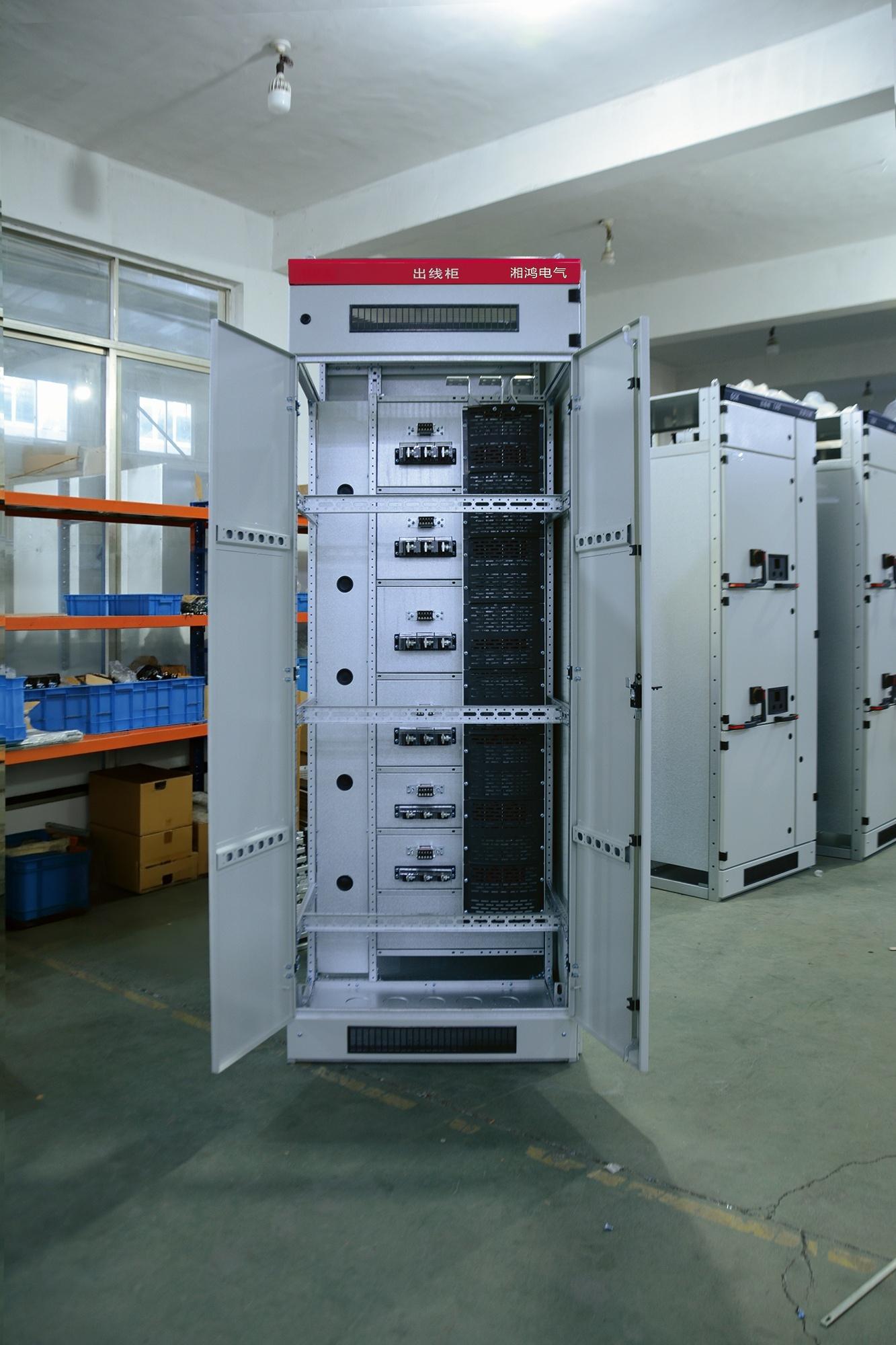
Busbar joints can look solid on the surface and still hide loose hardware, uneven contact, or oxidation that only shows up under load. Before signing off on a run, take the time to remove a few covers and check torque marks against the spec—don't just assume the installer hit the right value. A quick wipe with a clean cloth often reveals pitting or discoloration that would otherwise go unnoticed until resistance climbs and heat builds.
Plating condition matters just as much as tightness. Tin or silver surfaces that have been scratched, worn through, or contaminated during handling will degrade faster once current starts flowing, especially in humid or corrosive environments. If you see bare copper peeking through at the contact area, stop and rework that joint before it becomes a hot spot. Small defects here turn into expensive shutdowns later.
Finally, record what you find. A short note on torque verification, visual checks, and any plating touch-ups gives the next person a clear baseline and helps catch gradual changes before they cause trouble. Busbar systems lose their margin quietly—routine inspection before committing the system to service is what keeps that margin intact.
Request thermal imaging reports from the factory floor
Operators on the factory floor often spot heat anomalies long before a machine fails. Instead of relying on vague verbal notes, ask them to pull a thermal imaging report right at the point of inspection. This keeps the data tied to the exact location, time, and equipment state, which is far more useful than a generic monthly scan.
A simple request form near each inspection station works well. Have the operator note the asset ID, the thermal camera used, and any visible hotspots on a rough diagram. The report then becomes a working document rather than a passive record.
Once the report is submitted, route it to the maintenance lead and the reliability engineer within the same shift. Quick review turns a temperature spike into a planned fix, not an emergency shutdown.
Ask how the withdrawable mechanism behaves under arc conditions
Arc conditions put every switchgear component to the test, and the withdrawable mechanism is no exception. Instead of assuming it will simply hold up, ask how the breaker’s racking system reacts when an internal arc occurs. Does the carriage remain locked in the connected position, or does the pressure wave risk forcing it outward? The real answer lies in the mechanical interlocks and grounding contacts. A well-designed mechanism uses the arc’s own energy to keep the unit stable—venting paths guide the blast away from the operator, while the racking screw or lever holds firm against reverse thrust. Look for designs where the shutter system closes automatically during withdrawal, cutting off live parts before the arc can escalate.
Another point worth probing is how the withdrawable mechanism manages arc byproducts and hot gases. Under fault conditions, ionized gas can travel through the same channels the breaker uses for insertion and removal. Ask whether the truck frame includes baffles or pressure relief flaps that direct the blast away from the low-voltage compartment and the operator’s zone. Some manufacturers rely solely on the compartment door, but that only works if the door remains closed during operation. A more robust approach integrates the mechanism’s travel path with dedicated arc vents—meaning even if the breaker is halfway between test and service position, the escaping plasma has a controlled route instead of blowing through the racking handle or secondary disconnect.
Finally, test the mechanism’s behavior after the arc clears. Can the operator still withdraw the breaker using the standard handle, or does thermal deformation bind the rails and carriage? High-quality systems use materials with low thermal expansion and include a manual override that works even when the compartment is scorched. Ask for real test footage or third-party certifications showing the mechanism after an arc fault—not just intact, but still operable. The difference between a mechanism that survives and one that remains functional is often hidden in small details: the type of lubrication on the screw, the tolerance between rollers and rails, and whether the grounding contacts maintain continuity throughout the withdrawal stroke. Those are the questions worth asking before you trust a withdrawable unit in an arc-prone environment.
Compare spare parts lead times with local support
When a machine goes down, every hour of waiting chips away at your bottom line. Look beyond the spec sheet and ask the supplier to show you actual dispatch records for the parts you care about, not just best-case estimates. Local support networks can compress those timelines dramatically — a regional warehouse with a pick-and-pack team that knows your equipment often beats a transcontinental shipment by days, not hours.
Some vendors quote lead times from the moment an order is approved, while others start the clock only after payment clears or the part leaves their dock. That gap can hide a week or more of dead time. Pair the lead time figure with a clear question: if I call your local office at 9 a.m. on a Tuesday, when can a technician realistically have the part in hand? The answer tells you more than any glossy brochure.
Also weigh the cost of urgency. A local hub may charge a premium for same-day pickup, but compare that against a full day of lost production. In sectors like food processing or medical device manufacturing, the local premium is almost always the cheaper option. Request a few recent examples of urgent part deliveries in your region — names redacted, but dates and transit times visible. That kind of transparency is rare and worth more than a fast-talking account manager.
Plan for future breaker upgrades without replacing the shell
Upgrading a breaker usually means tearing out the entire enclosure, but that doesn't have to be the case. Start by checking the dimensions, bus bar spacing, and mounting points of the existing shell against the new breaker's specifications. Many manufacturers keep the same footprint across generations, so a like-for-like internal swap is often possible. Where subtle differences exist, custom adapter plates or offset bus connectors can bridge the gap without cutting into the enclosure.
Before committing to the upgrade, pull the original installation drawings and measure the actual clearances inside the shell. Pay attention to arc chute height, terminal lug positions, and ventilation paths. If the new breaker runs hotter, you may need to add a small cooling fan or enlarge the vent openings slightly—both of which are far cheaper than replacing the whole cabinet. Keep a record of these tweaks so future maintenance crews don't assume the shell is stock.
Finally, plan for phased upgrades rather than a big-bang swap. Start with one feeder or branch circuit, run it for a few weeks, and monitor temperature and trip behavior. This buys you time to order custom bus adapters or adjust cable routing without taking the entire panel offline. By treating the existing shell as a fixed asset instead of disposable packaging, you save material costs, reduce downtime, and avoid the hassle of re-certifying a whole new enclosure.
FAQ
Look beyond the stated annual output. Request a floor plan of the assembly area, check how many simultaneous cubicle lines they run, and ask about lead times for recent orders of similar size. A factory that hesitates to share shop floor details or only provides total tonnage often lacks the flexibility your industrial project needs.
Insist on a full sequence: mechanical endurance tests on the draw-out mechanism, primary and secondary injection tests for protection circuits, and a heat rise test on a fully assembled panel under load. Some factories only do a basic dielectric test, which won't expose contact wear or overheating in the withdrawable carriage.
The carriage is where failures start: misaligned contacts, loose shutters, or worn guide rails cause most downtime. Ask for samples of the interlock logic and observe how smoothly a test unit slides in and out. If the factory treats the carriage as an afterthought, you'll be dealing with jammed breakers during maintenance.
A factory with in-house copper fabrication and plating usually controls tolerances tighter and can customize busbar shapes for short-circuit ratings. Outsourced copper often leads to longer lead times and mismatched thermal performance. Ask where the conductor plating is done and whether they can provide mill certificates for each batch.
Ask about arc flash containment, IP ratings for dusty or humid sites, and whether they've supplied units to mining, chemical, or steel plants. Their answers should mention specific design choices like reinforced floor frames, anti-condensation heaters, and busbar bracing for high fault currents, not just generic compliance statements.
Very important. Withdrawable units need periodic servicing and spare carriage parts. Check if the factory keeps a local service team or relies on third-party contractors. In industrial settings, a 48-hour response delay can stop a production line, so choose a factory that can ship replacement draw-out assemblies quickly and has documented troubleshooting guides.
Watch how they handle customer drawings, check for unmarked components on the floor, and ask about their change order process. If the assembly area looks chaotic with no version control on drawings or they can't explain how design revisions reach the shop floor, expect miswired cubicles and delayed approvals.
Conclusion
Selecting a withdrawable switchgear cabinet for an industrial project goes far beyond catalog specs. You need to verify how the unit handles real load swings, not just steady-state ratings. Ask the factory for evidence that the duty cycle matches your harshest operating profile, including frequent breaker racking and sudden current changes. Before any commitment, physically inspect busbar joints and surface plating—poor contact or thin coatings lead to hot spots later. A reputable plant will share thermal imaging reports captured during routine production tests, showing temperature distribution under load. These images reveal hidden weaknesses that a simple continuity check misses.
Equally important is how the withdrawable mechanism behaves during an arc fault. Request detailed test data on arc containment, door interlock integrity, and breaker movement under pressure. Spare parts strategy can make or break uptime, so compare actual lead times and the availability of local field service, not just warehouse stock. Finally, design flexibility matters: confirm that the shell can accept larger or different breaker types in the future without major rework. A factory that supports modular upgrades saves you from replacing the entire switchgear line when your load profile changes. These practical checks separate durable, serviceable cabinets from those that only look good in a brochure.
Contact Us
Contact Person: Hellen
Email: [email protected]
Tel/WhatsApp: 86-13634205622
Website: https://www.voltcabinet.com